Shelter Learniverse and Industry-Wide Calendar

Category: Diversity, Equity, Inclusion

  • Join a Movement to Build Equitable and Kind Communities for People and Pets

    Join a Movement to Build Equitable and Kind Communities for People and Pets

    Companions and Animals for Reform and Equity (CARE) invites animal welfare volunteers, staff, and everyone committed to racial equity, diversity and inclusion to join the CARE Givers Circle. Members will receive a monthly newsletter, invites to national calls, the latest CARE content, and the ability to connect with other advocates locally and nationally.

    The Association for Animal Welfare Advancement’s DEI survey analysis report, released earlier this year, again affirms the need for a concerted, collective effort to strengthen DEI efforts in the field, and the CARE Givers Circle prioritizes action in its commitment to welcoming diverse voices and perspectives into the industry and supporting BIPOC communities. 

    “Where there are people there is power. To fully realize this power, we must be inclusive of all people,” Chief Engagement Officer Kenny Lamberti says in a CARE press release. “For far too long too many people and particularly BIPOC individuals have been systematically left out of the power structure. The human animal well-being movement has historically been one of the least inclusive and diverse fields, and the CARE Givers Circle aims to change this by intentionally prioritizing equity and inclusion in all aspects of our work.”

    In 2022, CARE will continue raising money for the Dr. Jodie G. Blackwell Scholarship, an endowment introduced this year to help fund scholarships for African American veterinary students. 

    To join the CARE Givers Circle, visit this link or text CIRCLE to 52886. 

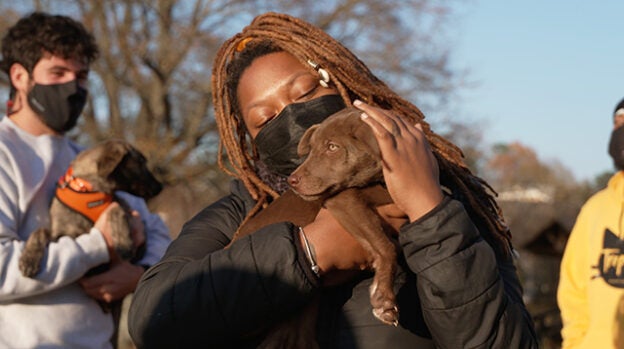
    (Photo via CARE.)
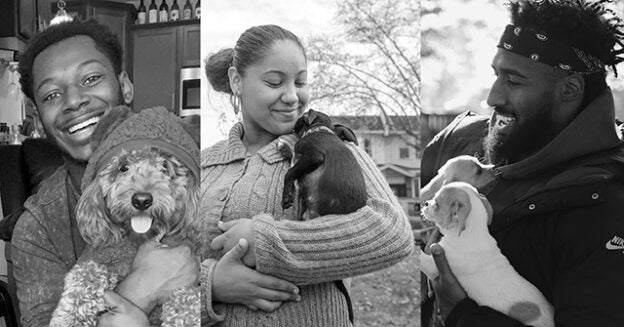
  • CARE Kicks Off Black History Month with Scholarship Fund

    CARE Kicks Off Black History Month with Scholarship Fund

    Pet ownership in the US is growing, AVMA data shows, and owner demographics are increasingly diverse: 61% of Hispanic households and nearly 37% of African American households have pets. The veterinary profession, though, has a long way to go in reflecting the diversity of the communities it serves: over 90% of vets in the US are white. As VIN News Service reporter Lisa Wogan notes, there are so few Black veterinarians, “they don’t even register as a percentage of the profession in federal data.” Over the past year they have shared their experience in the field through YouTube videos and Zoom conversations, and individuals and organizations have come together to demand change—not just talk about diversity, equity and inclusion, but action.

    Founded in March 2020, Companions and Animals for Reform and Equity (CARE) is one of many organizations working to make the animal welfare industry more inclusive. This month CARE is partnering with Black DVM Network, the National Association for Black Veterinarians and other animal welfare organizations to start a scholarship fund aimed at breaking down barriers for African American students pursuing careers in veterinary medicine.

    The Dr. Jodie G. Blackwell Scholarship Fund, named in honor of the late pioneering veterinarian, has already received support from Maddie’s Fund in the form of an initial $50,000 grant, as well as from New York Giants Cornerback Logan Ryan, founder of the Ryan Animal Rescue Foundation (RARF). As of February 4, CARE had raised over $71,000.

    To celebrate Black History Month and the launch of the endowment, CARE is hosting CARE Caucus, a weekly series of panel discussions exploring issues people of color face in animal welfare. This Thursday, February 11, the series continues with the topic “Diverse Workforce Creates Unique Solutions,” featuring CARE president James Evans in conversation with guests Logan Ryan (RARF) and Akisha Townsend Eaton, Senior Pro Bono Manager at the Animal Legal Defense Fund.

    All donations made at careawo.org/donate this month will go toward the scholarship fund. Check out the full list of CARE’s upcoming events, register to join the conversation and donate to keep this essential seed fund growing for future students.

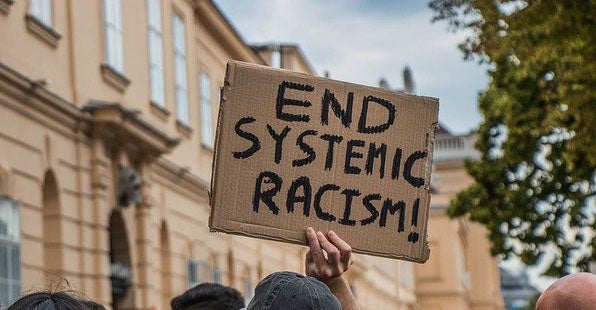
  • Our Commitment to Fighting Against Systemic Oppression

    Our Commitment to Fighting Against Systemic Oppression

    In the wake of George Floyd’s murder, the Koret Shelter Medicine Program and UW Shelter Medicine Program have been working on ways our programs will support the Black Lives Matter movement to dismantle racism. We have made a list of our commitments to each other, and to you, that we’d like to share. If you have been doing similar soul-searching work in your organizations, we invite you to share (publicly or privately) if you are so moved. We know we can do better together, and we are ready to work alongside, learn, share, and grow with our animal sheltering community.

    The University of Wisconsin-Madison Shelter Medicine Program and the University of California-Davis Koret Shelter Medicine Program stand in solidarity in the fight against systemic oppression in our country. We share the heartbreak and anger sparked by the murder of George Floyd. We abhor the violence directed against Black, Indigenous, and other people of color that happens every single day, and the other forms of oppression that seep into everyday interactions in universities and animal shelters as they do anywhere else.

    We also honor the deep commitment to caring and compassion expressed by so many in the animal welfare and veterinary professions. To be part of the solution to the violence and racism that threaten our society is a natural expression of that caring. At the same time, we recognize that inequality is embedded in our field as it is throughout our society. People of color disproportionately perform the hardest and lowest paid work in many shelters, and marginalized communities bear the brunt of animal management practices that perpetuate systemic inequalities. 

    As individuals, many of us have protested policies and practices we don’t agree with and advocated for a more just and kind society. The size and passion of the protests that have erupted in the wake of George Floyd’s murder may be a once-in-a-generation moment to affect change collectively. 

    We have work to do, and we are committed to doing that work.

    1. Our programs commit to err on the side of speaking out and taking action in support of justice and equity and in opposition to racism and violence against people of color in our society. We will risk being awkward and opening ourselves to criticism; knowing that others are facing far greater risks in this cause; and that only by speaking and acting and making mistakes will we have an opportunity to learn and do better. 
    2. We commit to receiving feedback and criticism with openness and appreciation. 
    3. We will not assume we have answers, or that it’s our role to provide them. Instead, we commit to engaging in anti-racist learning and providing resources to our teams that have been recommended by Black leaders.
    4. We will continue to promote equal access to veterinary care and work to remove the barriers that invite discrimination and oppression into our field. 
    5. We commit to seeking, learning from, and elevating the voices of people of color within our industry, so that everyone can benefit from the wisdom that comes from examining diverse perspectives.
    6. We are auditing our teaching materials to search out opportunities to start genuine conversations about our biases and to include anti-racism resources in our offerings. Equally as important, we are searching for places that we may be perpetuating racism.
    7. We won’t forget. We will continue to critically examine and then improve our policies. We welcome any feedback that would allow us to become stronger allies.