Shelter Learniverse and Industry-Wide Calendar

Tag: Dogs

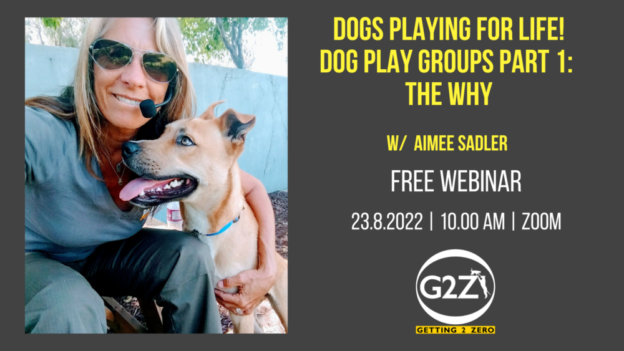
  • Webinar – 8/22/22 – Dog Playgroups Part 1: The Why – Getting2Zero

    Webinar – 8/22/22 – Dog Playgroups Part 1: The Why – Getting2Zero

    Learn about all the ways in which Dogs Playing For Life Playgroups are transforming shelters all across the USA.

    In this first of three webinars, we will present powerful examples of how playgroups can not only enhance the quality of life for your shelter dogs, but how focusing on their quality of life through enrichment can lead to game-changing benefits to your shelter’s everyday operations.

    Attendees will get to view dynamic video examples and impactful data and experiences from some of the nearly 300 shelters that have embraced the power of letting shelter dogs play!

    This webinar is one of three that will be delivered over the coming months.

    To learn more about DPFL go to https://dogsplayingforlife.com

    Presenter: Aimee Sadler

    Aimee is the Founder and CEO of Dogs Playing for Life (DPFL). With 35 years of experience working with multiple species in varying venues, Aimee has become an internationally recognized trainer and speaker specializing in shelter programs that enhance quality of life and reduce canine euthanasia in animal shelters. The cornerstone of DPFL’s programming is our Every Dog, Every Day!, an out-of-kennel enrichment model that is in increasing demand and has been introduced to over 300 shelters across the U.S. and Canada. DPFL’s measured programming is contributing to safer shelter environments by reducing dog-human bites while increasing canine lifesaving at an average rate of 4% at participating shelters. Starting in 2017, dogs most at risk of behavioral euthanasia can get a second chance at DPFL’s Canine Center Florida, an advanced training and behavior care center with an overall save rate of 86 percent.

    Aimee has regularly presented at animal welfare and professional dog training conferences such as HSUS’ Animal Expo, Best Friend’s Annual Conferences, Masters in Behavior Conference, and the International Association of Canine Professionals (IACP) Conferences. DPFL was the inaugural recipient of Petco Foundation’s Love in Action Award. In 2016, DPFL was featured in Episode 4 of the PBS television series, “Shelter Me.”

    Aimee is a proud recipient of the Henry Bergh Leadership Award and the Maddie’s Hero Award and has been inducted into the Members Hall of Fame for the IACP. Aimee currently resides in Longmont, CO, with her husband and family.
    WEBSITE LINK:  https://www.g2z.org.au/g2z-webinars-and-online-events.html

  • BLOG: Pets, Mental Health & COVID-19

    BLOG: Pets, Mental Health & COVID-19

    Since I was a young child I have had a deep understanding of how animals can bring happiness into peoples’ lives. My first word as a 1 year old was “dog” and I grew up wanting to become a veterinarian due to my passion for animals and the love they give.  However, in my later years I began to recognize the impact pets can have on your mental health as well. 

    During my undergraduate education I started to struggle with depression and anxiety that affected my daily routine. Being a busy college student in a difficult major made it easy to slip into a rut where I was greatly lacking balance and calmness in my life. 

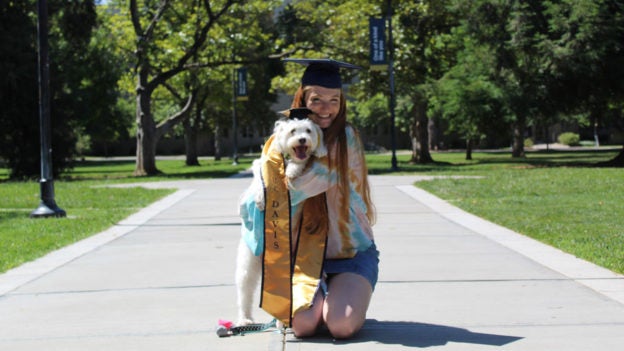
    Enter in Molly- my ten year old rescued supermutt who has been our family dog since 2011. I made the decision to bring her with me to college my junior year, and little did I know it would be one of the best choices I could have made for myself, and for her. Despite the challenges that come as a result of being a full time student and dog mom, I became stronger and more focused on incorporating stability and happiness into my life. Having her with me allowed me to be more intentional with how I spend my time, get outside to appreciate nature, and have an appreciation for all the little things in life-even if that means having to deal with lots of barking at squirrels….

    The role that animals play in the happiness and mental wellbeing of their owners is being further exhibited during social distancing as a result of the ongoing coronavirus pandemic (COVID-19). As of Early March 2020, California began a shelter in place protocol, as businesses began to close and people were ordered to stay home to prevent the spread of COVID-19. As the majority of the United States followed swiftly we have seen a tremendous increase in unemployment (Cox, 2020), as well as many Americans working from home as their jobs allow. This has resulted in millions of people-many of whom may live alone- being stuck inside with their pets.

    Pets are now stepping up to the plate as being the sole source of physical contact for many Americans who live alone or are socially isolated from others. Not only do pets get us to literally get up and move around more (ahem-potty breaks!), but they can have a significant physiological impact on human health. For example, studies have shown that people experience lower blood pressure and heart rates when they live with a pet (Vormbrock, 1988). But the powerful impact that pets have on people goes beyond just our physical health.

    It’s no coincidence that there are therapy animals in some of the most mentally stressful places in society as well: airports, prisons, hospitals, memory care facilities, universities, etc… Animals have been proven throughout the ages to be incredible sources of positive energy, emotional stability, and comfort. For instance, Johns Hopkins Hospital works with Pet Partners to bring in therapy dogs “to improve patients’ psychological status” (Hedin, 2018). It is abundantly evident that animals serve as a strong source of comfort to many people in vulnerable states. However, it’s not just healthy for a select group of individuals- we can all benefit from our pets during the time of COVID-19. 

    There have been studies illuminating how companion animals assist with coping during a crisis. Schools that have experienced on-campus shootings have started using therapy animals as a way to help students recover from these traumatic events. Research indicates that the use of animal assisted therapy can greatly reduce depression, symptoms of PTSD and anxiety (O’Haire et al., 2016). Being at home with our pets during this crisis may prove to have an immeasurable impact on the coping success and recovery from COVID-19. 

    Keeping one’s mental health afloat during a crisis is no simple task, especially when this crisis is impacting everyone across the globe. However, having a pet is certainly something to be taking advantage of during this time. Companionship and love is a priceless gift that our furry (or fur-less) friends bring to our lives. Now more than ever, let us be extra thankful for the snuggles, laughs and distractions from the stressful world around us. The bonds that we share with our animals could also help us all recover from this in the future. 

    With that all being said, I’m going to go hug my dog now!