The Principles of Contemporary Animal Services certificate course is a great way to develop an understanding of the animal services profession by learning about the field’s history, current state, and future possibilities.
The certificate course is built around contemporary best practices provided by experts and organizations in the field to give you a well-rounded view of the profession. With course content curated by Best Friends Animal Society as well as leading practitioners and researchers in the field, you will have access to a wide range of earned expertise, perspectives, information, and resources.
Choose from two participation options:
POCAS Certification – successful completion earns an SUU Institutional Certificate and one Continuing Education Unit (CEU), $399
POCAS Fast Track – successful completion earns three credits that may articulate into undergraduate or participating master’s degree programs at Southern Utah University, $699
Don’t miss this FREE online event showcasing how to help vulnerable pets using data. Whether you love geeking out over data, want to help pets in your community—or both—you don’t want to miss the ASPCA®-AAWA Research Forum online on November 1 from 12 – 5 p.m. ET. Last year, nearly 1000 of your colleagues registered for the Forum to explore new research results in community and shelter animal welfare.
Get access to cutting-edge research that supports your lifesaving work, including studies on:
• Taking up the Reins on Equine Welfare
• Mandan, Hidatsa, and Arikara Nation Perspectives on Rez Dogs on the Fort Berthold Reservation in North Dakota, U.S.A
• Why Didn’t They Do That? How Behavioral Economics Should Be Shaping How We Deliver Options to Our Clients
• Returning a shelter animal: The role of animal and owner characteristics
Attendees will leave with practical suggestions for applying what they’ve learned to benefit their communities and are eligible for CAWA and NACA credit!
Participate in a live Q&A with the researchers following the presentations.
The Research Forum is for anyone interested in advancing animal welfare, including veterinarians, shelter leadership, staff, and volunteers. Register here for free: aspca.org/researchforum
PS: Can’t attend live? Register anyway, and email you the recordings.
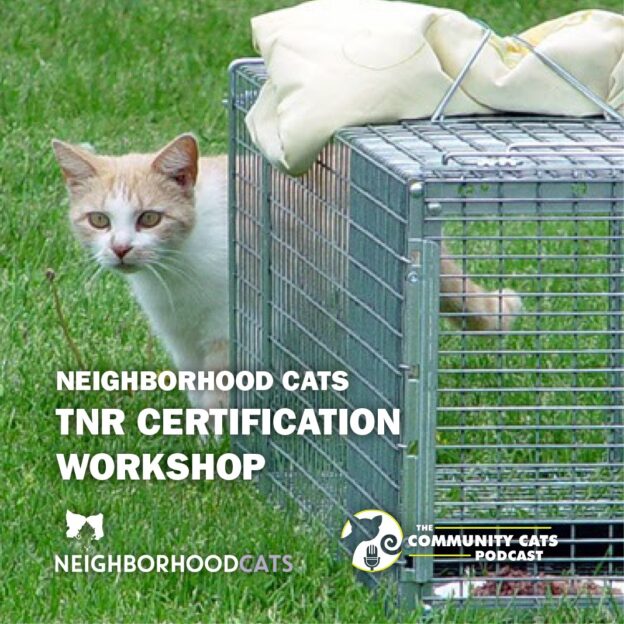
Are you ready to be part of the solution for feral and stray cats in your neighborhood? Our expert instructors will teach you best practices for Trap-Neuter-Return (TNR) and colony management. Learn what TNR is and why it works. We’ll cover getting along with neighbors, preparations for trapping, trapping itself (including entire colonies at once), feeding, providing winter shelter, and more. Take advantage of the interactive format, extensive handouts, and video footage of actual projects. Attendees will receive a certificate of attendance and gain access to an ongoing Facebook group for networking with other TNR activists. Instructed by Susan Richmond, executive director, and Bryan Kortis, national programs director.
Session duration is 2.5 hours, followed by an optional 15-minute Q&A session.
This course/webinar/series/conference has been approved for Continuing Educational Units by the National Animal Care & Control Association (NACA). National certificate holders can submit for credit consistent with the NACA CEU policy locatedhttps://nacatraining.org/continuing-education-recertification/
Presented by Neighborhood Cats. It used to be that a feral cat had little chance of exiting a shelter alive after he entered. But that’s no longer the case. In recent years, more and more shelters have adopted Return-to-Field (RTF) programs. Instead of euthanizing healthy community cats (whether feral, friendly or otherwise), the shelter will spay or neuter, eartip and vaccinate, then return the cat back to where he was found. We’ll cover the policies behind RTF, the mechanics of implementing the program, current controversies over the RTF of friendly cats, and how to combine RTF with TNR in general to lower cat populations and create sustainability.
Are you ready to be part of the solution for feral and stray cats in your neighborhood? Our expert instructors will teach you best practices for Trap-Neuter-Return (TNR) and colony management. Learn what TNR is and why it works. We’ll cover getting along with neighbors, preparations for trapping, trapping itself (including entire colonies at once), feeding, providing winter shelter, and more. Take advantage of the interactive format, extensive handouts, and video footage of actual projects. Attendees will receive a certificate of attendance and gain access to an ongoing Facebook group for networking with other TNR activists. Instructed by Susan Richmond, executive director, and Bryan Kortis, national programs director.
Session duration is 2.5 hours, followed by an optional 15-minute Q&A session.
This course/webinar/series/conference has been approved for Continuing Educational Units by the National Animal Care & Control Association (NACA). National certificate holders can submit for credit consistent with the NACA CEU policy locatedhttps://nacatraining.org/continuing-education-recertification/
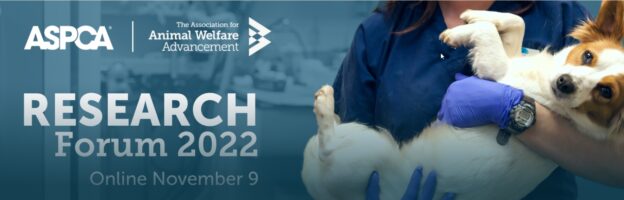
Don’t miss this FREE online event showcasing how to help vulnerable pets using data, including a presentation on dog breeds and behavior. Whether you love geeking out over data, want to help pets in your community—or both—you don’t want to miss the ASPCA®-AAWA Research Forum online on November 9 from 12 – 5 p.m. ET. Last year, nearly 700 of your colleagues registered for the Forum to explore new research results in community and shelter animal welfare.
Get access to cutting-edge research that supports your lifesaving work, including studies on:
The predictors of Successful Pet Placement from a Self-Rehoming Website
The Effects of Brief Outings and Temporary Fostering on the Welfare of Shelter Dogs
The use of a behavior modification program and daily gabapentin to treat fearful cats
The breed-behavior relationship in dogs from a genomic perspective
Receive free continuing education credit, including CAWA, IAABC
Participate in a live Q&A with the researchers following the presentations.
The Research Forum is for anyone interested in advancing animal welfare, including veterinarians, shelter leadership, staff, and volunteers.
PS: Can’t attend live, register anyway, and we’ll email you the recordings.
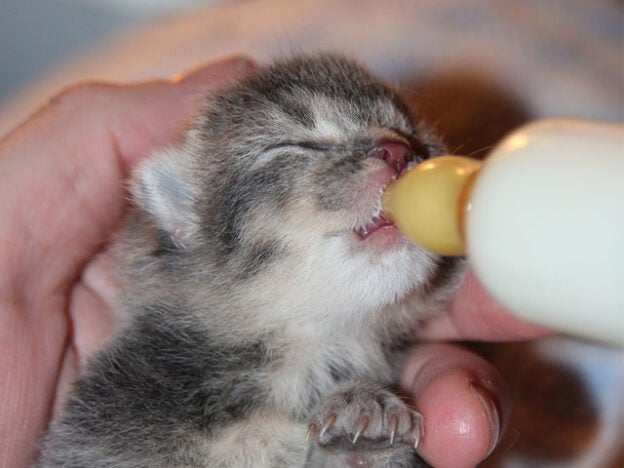
How much do I feed a kitten? How often? How much? How do I mix the formula? There are so many things to learn when it comes to feeding a tiny kitten. In this free webinar we will teach you the basics on how to safely bottle-feed a neonatal kitten and help it grow!
This kitten life-saving project was made possible in part through a generous Grant from The American Society for the Prevention of Cruelty to Animals®.
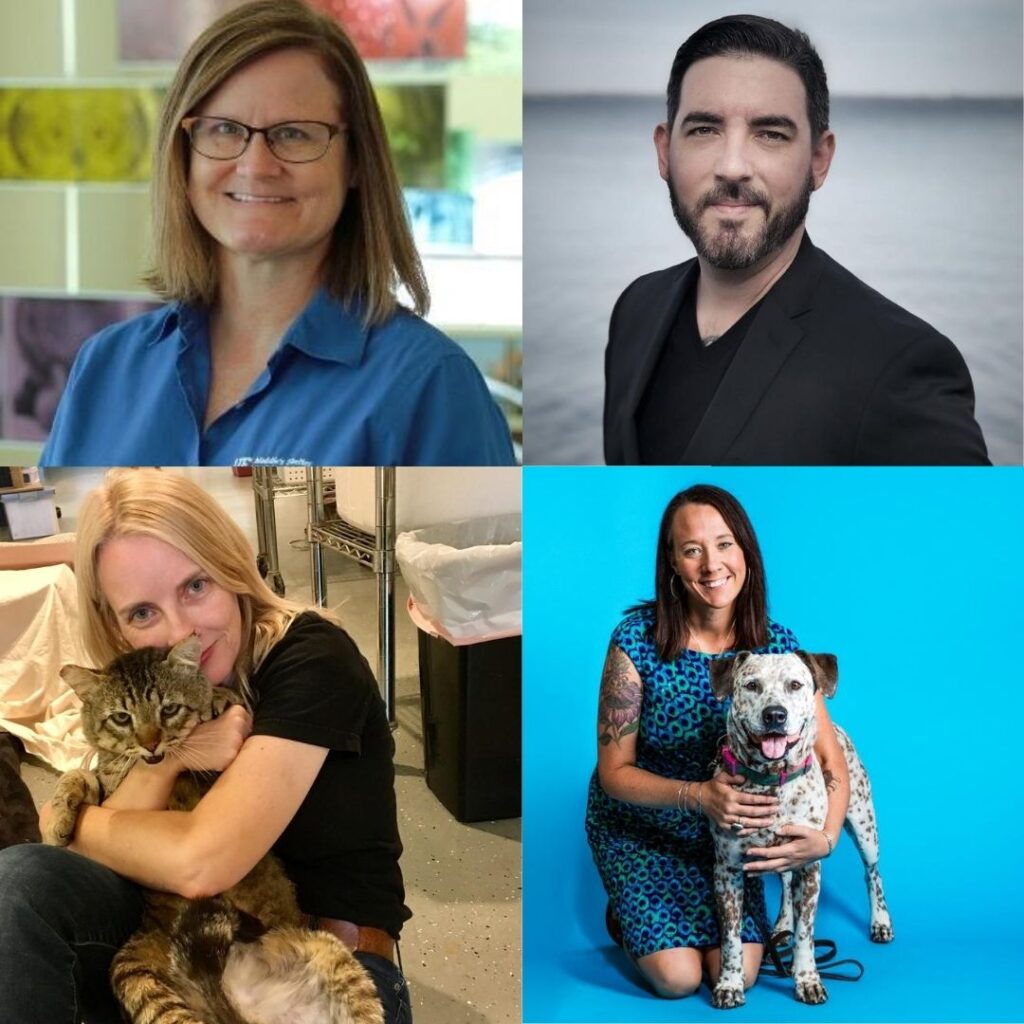
This week the Million Cat challenge is stepping up with some heavy hitters– Dr. Julie Levy, Fran Marino Professor of Shelter Medicine Education at the University of Florida, co-founder of the Million Cat Challenge and founder of Operation Catnip; Kristen Hassen-Auerbach, Director at Pima Animal Care Center, Board of Directors of the National Animal Care and Control Association, Executive Committee for American Pets Alive! and Human Animal Support Services; Nick Lippincott, Special Programs and Training Programs Coordinator, Orange County Animal Services (Orlando, Florida) Board member, National Animal Care & Control Association; Dr. Heather Kennedy, Director of Feline Operations at KC Project– to present the second webinar in the five-part kitten management webinar series: Supporting Kittens in the Field. The webinar is 90 minutes long with about 60 minutes dedicated to presentations and panel interviews and an additional 30 minutes reserved for Q&A.
Here are the details: Supporting kittens and their families starts before they show up on your intake counter. Find out what field officers, volunteers and fosters are doing to give kittens the best chance of survival while streamlining operations and expanding safety nets outside shelter walls.
What will I learn? This is the second webinar in a five part series covering all things kitten management. In this episode we’ll:
Identify ways you might be sabotaging your own goals by swimming upstream.
Access your shelter’s opportunity to leverage ACOs, Field Officers and/or volunteers to better serve kittens outside your walls and ensure resources for the ones inside your shelter.
Activate your community to achieve your kitten goals.
Increase your kitten LRR, decrease your kitten budget.
HYPER unify your messaging and alleviate the burden on your frontline staff.
Learn two software tools that allow you to “set it and forget it”
What did I miss? Each of these webinars is designed to be stand alone, but together they make up a series that starts at intake decisions and ends at positive outcomes and adoption. To catch what you missed last week, please visit: Million Cat Challenge: Kitten Intake in Animal Shelters
Join us on Thursday, August 13 at 12n Pacific / 3pm Eastern for a 60-minute presentation and plenty of time for Q&A with Million Cat Challenge co-founder Dr. Julie Levy.