
7 events found.
Week of Events
Sunday, March 16, 2025
No events on this day.
Monday, March 17, 2025
No events on this day.
Tuesday, March 18, 2025
-
March 18, 2025 –Webinar Series – 3/18/25 – Doors Wide Open: Engaging with Human and Social Service Providers to Increase Access to Care for Animals and People – Open Door Veterinary Collective
-
March 18, 2025 –Webinar – 3/18/25 – Prepare for Kitten Season – National Kitten Coalition
Webinar Series – 3/18/25 – Doors Wide Open: Engaging with Human and Social Service Providers to Increase Access to Care for Animals and People – Open Door Veterinary Collective
Open Door Veterinary Collective Presents: Join Open Door Veterinary Collective for lively conversations as we explore innovative and practical solutions that organizations are using to address barriers to accessing pet care and resources in their communities. This session focuses on engaging with human and social service providers to increase access to care for animals and people.
Free

Webinar – 3/18/25 – Prepare for Kitten Season – National Kitten Coalition
National Kitten Coalition Presents: This webinar will cover what you can do now to prepare and will provide need-to-know information to save more kittens! From administrative level planning, to increasing your foster care team, to essential kitten-care information (whether in the field, in foster homes or in the shelter), this session will address preparation and best practices, leaving you with plenty of ideas to make this kitten season one of your best yet!
Free
Wednesday, March 19, 2025
No events on this day.
Thursday, March 20, 2025
-
March 20, 2025 –Webinar – 3/20/25 – How to Support Staff and Volunteers in Implementing Adopters Welcome – Humane World for Animals
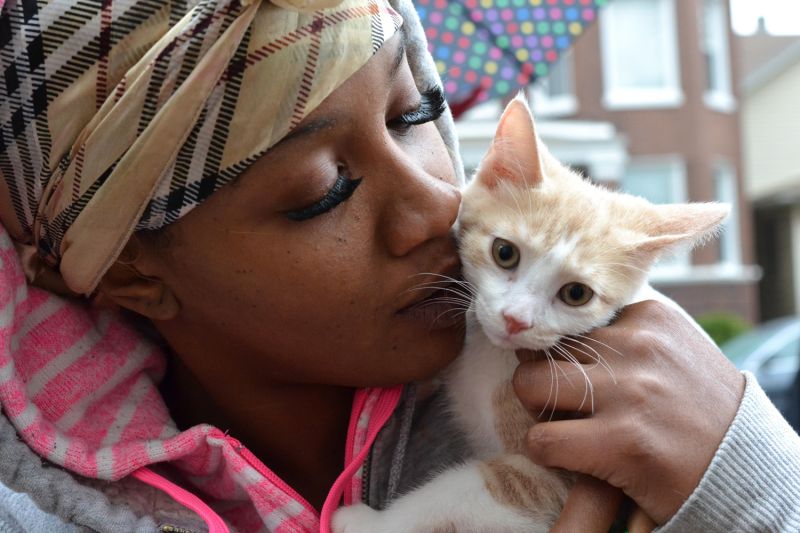
Webinar – 3/20/25 – How to Support Staff and Volunteers in Implementing Adopters Welcome – Humane World for Animals
Humane World for Animals Presents: Adopters Welcome works best in shelters and rescues that have a supportive growth culture. From customer service skills to understanding bias to recognizing the role of compassion fatigue, a work environment that invests in its people is critical to identifying unnecessary barriers to adoption. This webinar is for all levels of sheltering, including volunteers.
Free
Friday, March 21, 2025
No events on this day.
Saturday, March 22, 2025
-
March 22, 2025 –Webinar – 3/22/25 – The Puppy Playbook: Avoiding Common Behavior Problems – PPG (fee applies)

Webinar – 3/22/25 – The Puppy Playbook: Avoiding Common Behavior Problems – PPG (fee applies)
PPG Presents (fee applies): This webinar is for puppy guardians, breeders, and trainers. It focuses on how to prevent behavioral problems in dogs in the future. How we raise our puppies from conception to adulthood can prevent behavioral problems in many dogs. These are anxieties, separation, aggressive dogs, and nervousness. This is for the majority of dogs; there are exceptions, but there is so much we can do to prevent future problems.
$20 – $30