
7 events found.
Week of Events
Sunday, March 16, 2025
-
March 16, 2025 –Online Event – 1st Tuesdays – All Call – California for All Animals
Online Event – 1st Tuesdays – All Call – California for All Animals
California for All Animals Presents: The one-hour call is a dedicated space to share and learn from each other. Popular topics include initiatives that create a more inclusive culture for both staff and community, programs that keep pets with their people, industry trends, research studies, as well as the hard stuff, like what’s not working or what is particularly difficult during times of scarcity.
Free
Monday, March 17, 2025
-
March 17, 2025 –Online Meeting – Mondays – Weekly Community Conversations #ThanksToMaddie – Maddie’s Fund
Online Meeting – Mondays – Weekly Community Conversations #ThanksToMaddie – Maddie’s Fund
Maddie’s Fund Presents: Join us each Monday at 11am PT/2pm ET to receive support and learn about innovative ideas other organizations across the country are seeing success with. If you registered prior to May 2024 or are new to these meetings, please use this link to register:
https://maddies.fund/CommunityConvoRegistration2024
Free
Tuesday, March 18, 2025
-
March 18, 2025 –Online Event – 3/18/25 – Camp Maddie: Kitten Edition – Live Q&A Follow Up Session – Maddie’s Fund
-
March 18, 2025 –Online Event – 3/18/25 – All Call: Fostering Community Support Through Social Work in Animal Sheltering – California for All Animals
-
March 18, 2025 –Webinar Series – 3/18/25 – Doors Wide Open: Engaging with Human and Social Service Providers to Increase Access to Care for Animals and People – Open Door Veterinary Collective
-
March 18, 2025 –Webinar – 3/18/25 – Prepare for Kitten Season – National Kitten Coalition
Online Event – 3/18/25 – Camp Maddie: Kitten Edition – Live Q&A Follow Up Session – Maddie’s Fund
Maddie’s Fund Presents: Prepare for Kitten Season with expert guidance! Join us in this follow live question and answer session. This will provide time for your team to catch up on any sessions they may have missed from Camp Maddie Kitten’s first day on March 4th, to browse the extensive collection of supporting documents, protocols, and forms, and to bring forward any remaining questions and obstacles encountered in enhancing your kitten programs.
Free
Online Event – 3/18/25 – All Call: Fostering Community Support Through Social Work in Animal Sheltering – California for All Animals
California for All Animals Presents: Join the call on March 18 to learn how Monika Khuc, LMFT and Community Support Manager at WAGS Pet Adoption in Westminster, California, helped implement a social work-informed approach to address barriers faced by diverse communities, including the Vietnamese community. By centering diversity, equity, inclusion, and belonging principles, WAGS prioritized the human-animal bond and keeping pets and families together.
Free

Webinar Series – 3/18/25 – Doors Wide Open: Engaging with Human and Social Service Providers to Increase Access to Care for Animals and People – Open Door Veterinary Collective
Open Door Veterinary Collective Presents: Join Open Door Veterinary Collective for lively conversations as we explore innovative and practical solutions that organizations are using to address barriers to accessing pet care and resources in their communities. This session focuses on engaging with human and social service providers to increase access to care for animals and people.
Free

Webinar – 3/18/25 – Prepare for Kitten Season – National Kitten Coalition
National Kitten Coalition Presents: This webinar will cover what you can do now to prepare and will provide need-to-know information to save more kittens! From administrative level planning, to increasing your foster care team, to essential kitten-care information (whether in the field, in foster homes or in the shelter), this session will address preparation and best practices, leaving you with plenty of ideas to make this kitten season one of your best yet!
Free
Wednesday, March 19, 2025
No events on this day.
Thursday, March 20, 2025
-
March 20, 2025 –Webinar – 3/20/25 – How to Support Staff and Volunteers in Implementing Adopters Welcome – Humane World for Animals
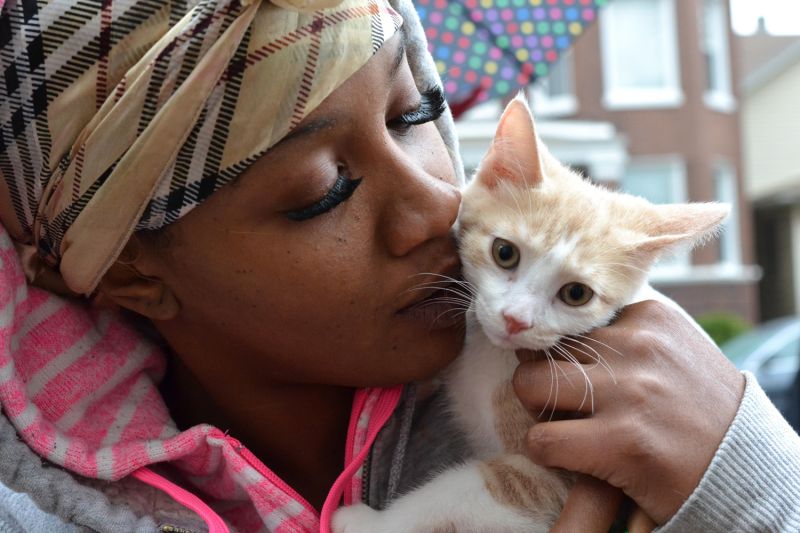
Webinar – 3/20/25 – How to Support Staff and Volunteers in Implementing Adopters Welcome – Humane World for Animals
Humane World for Animals Presents: Adopters Welcome works best in shelters and rescues that have a supportive growth culture. From customer service skills to understanding bias to recognizing the role of compassion fatigue, a work environment that invests in its people is critical to identifying unnecessary barriers to adoption. This webinar is for all levels of sheltering, including volunteers.
Free
Friday, March 21, 2025
No events on this day.
Saturday, March 22, 2025
-
March 22, 2025 –Webinar – 3/22/25 – The Puppy Playbook: Avoiding Common Behavior Problems – PPG (fee applies)

Webinar – 3/22/25 – The Puppy Playbook: Avoiding Common Behavior Problems – PPG (fee applies)
PPG Presents (fee applies): This webinar is for puppy guardians, breeders, and trainers. It focuses on how to prevent behavioral problems in dogs in the future. How we raise our puppies from conception to adulthood can prevent behavioral problems in many dogs. These are anxieties, separation, aggressive dogs, and nervousness. This is for the majority of dogs; there are exceptions, but there is so much we can do to prevent future problems.
$20 – $30