Shelter Learniverse and Industry-Wide Calendar

Blog

  • Webinar Series – 12/5/20, 12/12/20, & 12/19/20 – Resource Guarding – PuppyWorks (fee applies)

    Webinar Series – 12/5/20, 12/12/20, & 12/19/20 – Resource Guarding – PuppyWorks (fee applies)

     Webinar Program

    • Each segment starts with a presentation of about 90 minutes, followed by a 15 minute “coffee break” and ends with 45 minute Q/A session during which Sue & Trish will respond to questions posed by attendees of the live sessions.

    • Whether you make the live sessions or not, you will be able to access a complete recording of each session for 1 year.

    Session One (Saturday, December 5, 2020): Assess-A-Pet & Ethogram  

    ASSESS-A-PET (AAP) Protocols to evaluate resource guarding (RG) & aggression thresholds. Practical, detailed, step-by-step procedures that evaluators can utilize in a home or at shelters and rescues to assess the tendency for RG, the prospect of a high threshold for RG vs. a low threshold for RG, quite possibly the degree of intensity, and how we interpret what we are seeing.

    Ethogram: An extensive catalog of seemingly endless, often very subtle behaviors that tell us if a dog is feeling competitive, or at risk of escalating into aggression. Focus on the AAP procedures and the subtle or not-so-subtle behaviors associated with competitiveness and/or a low threshold for RG.

    Session Two (Saturday, December 12, 2020): Low Threshold RG   ​

    ​Some of the science of RG and assessing it in shelter dogs. The low threshold resource guarder’s behavior in the home and community. Defining low aggression thresholds and what dogs usually guard:

    • Not just the food bowl.

    • Manifestation in the home & neighborhood.

    • Implications for other behavioral issues like separation anxiety.

    • Pica etc.

    Recognizing these small behaviors in real life:​

    • Will the dog guard an owner?

    • Is the dog likely to bite a stranger or neighbor?

    • What behaviors to look for when meeting a new client and their dog.

    • How RG can affect dog-dog interactions generally.

    Session Three (Saturday, December 19, 2020): RG Management & Behavior Modification

    Resource Guarding is a natural behavior in all species. Management & modification protocols depend on-

    Helping clients identify problem areas including differing types of guarding & degree of risk associated with each, such as: guarding, food, objects, places, people etc., and against whom the dog is guarding: other dogs, children, adults, a single adult etc.

    Identifying skill level & time availability of owners to ascertain what management or modification protocols are possible. Many people cannot maintain complex resource guarding protocols. Even when one person can, others cannot. Safeguards are important for each family, plus assessment of each dog’s degree of aggression potential and providing alternatives or resources for the family if the risk is deemed too high.

    Protocols:

    • Management: Identify & remove high value items – give potentially valuable objects & food in private area.

    • General guidelines: Teach dog that there are unlimited resources & that owner always has better resources ready to share; Teach “drop”.

    • Cognitive method : Teach dog to look up & away from item when asked or whenever owner passes by; Teach dog to leave item when asked.

    • Dog to Dog: Make sure management protocols are adhered to; Status adjustment as needed.

    • Outcomes: Progress reports  ·Reality based decisions (some resource guarding is persistent, no matter what we do) ·Rehoming if appropriate.


    Speakers

    SUE STERNBERG (www.suesternberg.com)
    Sue founded the shelter featured in an  HBO documentary: Shelter Dogs (www.shelterdogs.org).  She has developed national programs, such as Training Wheels® for community shelter outreach and dedicated herself to ensuring the quality of life of animals in their communities, at animal shelters and in safe adoptions. Her 30 years of canine behavior experience, includes as an animal control officer, behavior consultant  at the ASPCA, shelter owner,  successful competitor in dog sports, and a teacher of dog trainers world-wide.

    She is the author of Great Dog Adoptions: A Guide for Shelters (Latham Foundation publication) and Successful Dog Adoption published by Wiley. Her most recent publications (all published by Dogwise) include Out and About With Your Dog, Dog-Dog Interactions,  Assessing Aggression Thresholds in Dogs and  Understanding Sociability (DVD).

    Click here for Sue’s website.

    Trish has been a dog addict since she was a teen, and managed to combine her love of dogs with her respect and affection for people. Her goal is always to enrich the lives of both, through the humane and thoughtful use of relationship work, environmental management and training.

    Trish established the Canine Behavior Academy at the Marin Humane Society for new or interested trainers, which covers dog handling, evaluating, learning theory, training techniques and solving problems, as well as teaching people.

    After she left Marin Humane, she taught the academy at Humane Society Silicon Valley, and then locally in Marin.  It is now offered online.  Several hundred people have attended all levels of the Academy.  Trish also teaches workshops and seminars on behavior, canine management, temperament assessment, and handling difficult dogs.

    Trish’s speaking engagements have included numerous conferences presented by the Association of Pet Dog Trainers, the Humane Society of the United States,  and the American Humane Association, as well as California Animal Care Conferences, private training groups, webinars and teleconferences.

    She has written a critically acclaimed book for dog owners, Parenting Your Dog (TFH Publications), as well as numerous articles about dog and cat behavior for local and national newspapers and magazines. Trish is:

    • Member of the American Humane Association Task Force for Humane Dog Training.

    • Equipment Chair of the Delta Guidelines for Humane Dog Training.

    • Past Board member and charter member of the Association of Professional Dog Trainers (APDT).

    • Member of the task force to restructure PetSmart Dog Training practices.

    • Instructor with “Dogs of Course”, E-Training for Dogs & Raising Canine, LLC.
     

    WEBSITE LINK:  https://www.puppyworks.com/resourceguarding

  • Online Event – 11/12/20 – Ken Ramirez and Karen London, Ph.D., on the Importance of Play – Karen Pryor Academy

    Online Event – 11/12/20 – Ken Ramirez and Karen London, Ph.D., on the Importance of Play – Karen Pryor Academy

    LIVE FROM THE RANCH

    This week, Ken Ramirez, KPCT’s Chief Training Officer, will be joined by Karen London, Ph.D.,to talk about the importance of play in influencing our dog’s behavior. Join us for this free virtual event live from The Ranch on Thursday, November 12, at 12:00 pm (PT).

    Join the Free Virtual Social Event!

    Thursday, November 12 • 12:00 pm (PT)
    Join on ZoomPassword: 724317
    Prefer to save the link for later? https://us02web.zoom.us/j/87998294372? | Password: 724317
  • Webinar – 12/3/20 – Preventing Separation Anxiety? Home Alone Time for Puppies and Newly Acquired Dogs – Dog-iBox (fee applies)

    Webinar – 12/3/20 – Preventing Separation Anxiety? Home Alone Time for Puppies and Newly Acquired Dogs – Dog-iBox (fee applies)

    It is commonly asked that dog professionals provide methods for preventing separation anxiety in puppies or newly acquired dogs. This topic has become even more prevalent as of late with so many people working from home for a long period of time. In this webinar the topic of prevention will be explored. We will discuss the validity of prevention, etiology, protocols, and general methodologies that are required for separation anxiety in dogs. If your puppy or dog is already experiencing separation anxiety, there will be take aways for you, however, if you are simply interested in learning how to optimize a dog for alone time success, we hope to see you in the webinar.


    WEBSITE LINK: https://www.dog-ibox.com/market/catalog/live-webinars/live-webinars-english-c-34/preventing-separation-anxiety.html

  • Webinar – 12/3/20 – Animals In Disaster–How to Help Your Community – NACA/Justice Clearinghouse

    Webinar – 12/3/20 – Animals In Disaster–How to Help Your Community – NACA/Justice Clearinghouse

    When disaster hits, animals and their owners are greatly impacted.  All eyes will be on your agency, and how well it serves the animals and their owners in your community during this time of need can create huge goodwill for your agency–or create lasting ill-will.  This webinar will help you learn how to be ready to emergency shelter animals by identifying the supplies you’ll need and valuable partnerships to make.  You will also learn how to get the outside help you might need if local resources become overwhelmed.  Finally, this webinar will teach you some basic practices that will help you keep animals and their families together during the challenge and chaos of the natural disaster.

    • Why emergency sheltering is needed in a disaster
    • How to find a site for the shelter, the cages/containment for the animals, veterinary care, and food and other supplies
    • How to ask for outside help during a disaster
    • What are the best practices you can adopt in order to keep animals together with their people.


    The National Law Enforcement Center on Animal Abuse was established by the National Sheriffs’ Association to provide law enforcement officers information on the realities of animal abuse and to promote their proactive involvement in the enforcement of animal abuse laws in their communities. Through our partners, the Center will serve as an information clearinghouse and forum for law enforcement on the growing problem of animal abuse and its link to other types of crimes, including violence against humans. The Center also promotes officer safety in officer-dog encounters through continuing education and training.


    The National Animal Care & Control Association (NACA) was formed in 1978 for the express purpose of assisting its members to perform their duties in a professional manner. We believe only carefully selected and properly trained animal control personnel can correct community problems resulting from irresponsible animal ownership. NACA’s purpose is to preserve the Human/Animal Bond by insisting on responsible animal ownership.


    Presenters:

  • Webinar – 12/2/20 – Assessing Dog Behaviour in Shelter Settings – NACA/Justice Clearinghouse

    Webinar – 12/2/20 – Assessing Dog Behaviour in Shelter Settings – NACA/Justice Clearinghouse

    Assessment processes for dogs in shelters have changed dramatically in recent years, with research findings driving a fundamental shift away from short, provocative battery-style behaviour tests to holistic, information-gathering assessment processes. This data-driven shift away from ‘poke-and-prod’ type tests has created some fantastic opportunities for animal management and sheltering professionals to improve not just their behaviour assessments, but also the level of care provided to animals, staff safety, and appropriate outcomes for the dogs themselves.

    Come join Trish and Di to find out more about the research underpinning this seismic shift in procedure, and how you can move towards a more modern and holistic model for assessing dog behaviour in shelters.

    You will learn:

    • Summary of recent research findings relevant to animal behaviour assessments in applied environments
    • Basic principles in canine behaviour and personality assessment
    • How to implement a ‘data-gathering’ continuous assessment process in your facility, using fast-track and slow-track processes. We will include some tips and tricks that we’ve learned along the way, and help you improve flow and outcome.


    This is part of a two-part series:


    The Australian Institute of Animal Management (AIAM) is the national peak body representing Local Government Animal Management Officers. The AIAM Committee consists of a wide range of professionals engaged in the various aspects of animal management.

    AIAM seeks to support those engaged in the business of animal management, and the function itself, by providing training and information, opportunities for networking and collaboration, and by encouraging the use of best practice policy and practices. AIAM promotes consistency of legislation, consultation in the creation of legislation and workplace processes, and healthy relationships with external stakeholders and the community. AIAM supports cross-sector collaboration and co-design of projects and initiatives.


    Presenters:

    Trish McMillan holds a Master of Science degree in animal behavior, and is a certified professional dog trainer, certified dog behavior consultant, and associate certified cat behavior consultant.  She has been involved in the animal rescue and sheltering world since the mid-1990’s, starting out as a volunteer and working her way up to director of animal behavior. She worked for the ASPCA for nearly eight years; first as Director of Animal Behavior at their NYC shelter, then as a behaviorist on their field team, helping assess and rehabilitate dogs from cruelty cases, dogfighting and hoarding situations, then she joined the Shelter Research and Development team.

    Trish currently does animal behavior consulting near Asheville, North Carolina, working with dogs, cats and horses. Her farm, Pibble Hill, is home to a happy herd of animals of five species. Trish speaks and consults nationally and internationally on animal sheltering issues, dog, cat, and horse behavior, dog aggression, and defensive handling. Her online shelter dog behavior offerings have helped students from around the world apply best practices at their respective shelters and rescues.


    Dr Diana Rayment holds a PhD in Canine Behaviour and a Bachelor of Animal Science. Her primary research area is canine behaviour and assessments in applied settings, like animal shelters. She has also worked in a variety of academic and industry settings, including as a TAFE and university educator, as an applied scientist studying companion animal welfare and behaviour and working dog assessments, a dog trainer, a shelter nurse and most recently, leading the behaviour team at the Greyhound Adoption Program Victoria. Diana is now working to integrate and improve animal welfare and animal management practices in Australia through a variety of roles, including project management and staff and volunteer training at Second Chance Animal Rescue.


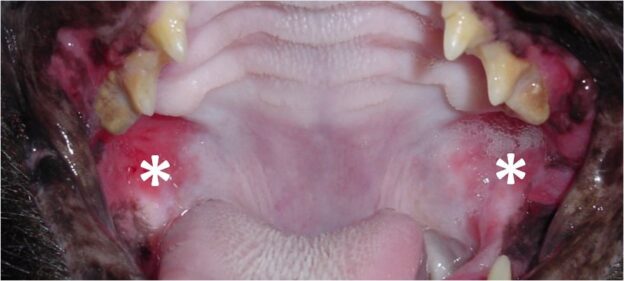
  • Webinar – 11/22/20 – Focus on Tooth Resorption and Stomatitis – VDOS (fee applies)

    Webinar – 11/22/20 – Focus on Tooth Resorption and Stomatitis – VDOS (fee applies)

    Frustrated about resorbing roots and ankylosed teeth? What about refractory oral inflammation that cannot be controlled? We understand your frustration, but there is help! Let us show you how we do it!

    This webinar will focus on the two most frustrating dental and oral conditions in cats, namely tooth resorption and stomatitis. The potential causes of these conditions will be discussed. Tips and tricks how to extract resorbing teeth will be shared, and various treatment options (medical and surgical) for feline stomatitis will be reviewed. The didactic lecture will last 1.5 hours, but the webinar is designed so that there is extra time for interactive participation and answering your questions.

    WEBSITE LINK: https://www.vdos.org/event-details/focus-on-tooth-resorption-and-stomatitis-4

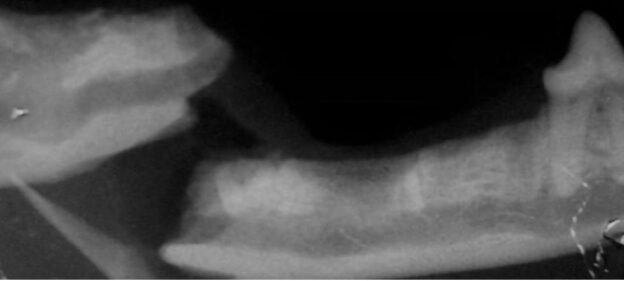
  • Webinar – 11/19/20 – Managing Tooth Extraction Complications – VDOS (fee applies)

    Webinar – 11/19/20 – Managing Tooth Extraction Complications – VDOS (fee applies)

    Managing Tooth Extraction Complications

    Do you struggle removing root remnants? Do you know how to close an oronasal fistula? You used too much force and fractured the mandible? No worries, here you learn how to manage tooth extraction complications!

    Time & Location

    Nov 19, 2:00 PM – 3:20 PM EST
    Webinar

    About the Event

    This VDOS webinar will review the management of the most common complications that can occur during tooth extraction in dogs and cats, including fractured roots, hemorrhage, trauma to adjacent structures, sublingual edema and sialocele, orbital trauma, fracture of the alveolus or jaw, oronasal fistula, trauma from opposing teeth, tongue hanging out of the mouth, emphysema and air embolism, local and systemic infection, and postoperative blindness. The didactic lecture will last 1 hour, but the webinar is designed so that there is extra time for interactive participation and answering your questions.

    WEBSITE LINK:  https://www.vdos.org/event-details/managing-tooth-extraction-complications-2

  • Webinar – 11/18/20 – Triaging Dental and Oral Emergencies – VDOS (fee applies)

    Webinar – 11/18/20 – Triaging Dental and Oral Emergencies – VDOS (fee applies)

    Triaging Dental and Oral Emergencies

    How to determine whether it is TMJ luxation or open-mouth jaw locking? What to do with an avulsed tooth? Any temporary relief for the jaw fracture patient? Know the various dental and oral emergencies and provide emergency care prior to definitive treatment!


    This VDOS webinar focuses on triaging dental and oral emergencies. While it would be of benefit to anybody interested in small animal dentistry and oral surgery, it is specifically designed for clinicians and technicians working in an emergency setting. Various dental and oral emergencies are reviewed as they present to the frontline clinical staff, including orofacial pain, bleeding, swelling, burn, bite, laceration, degloving injury, projectile injury, tooth fracture, tooth luxation/avulsion, jaw fracture, temporomandibular joint luxation, etc. The didactic lecture will last 1.5 hours, but the webinar is designed so that there is extra time for interactive participation and answering your questions.

    WEBSITE LINK:  https://www.vdos.org/event-details/triaging-dental-and-oral-emergencies-3

  • Webinar – 11/22/20 – Starting Small Animal Dentistry – VDOS (fee applies)

    Webinar – 11/22/20 – Starting Small Animal Dentistry – VDOS (fee applies)

    This webinar will introduce you to the world of small animal dentistry and oral surgery. It will explain what equipment, instruments, materials, knowledge and skills are needed to become proficient in this most important discipline of veterinary medicine. The didactic lecture will last 1 hour, but the webinar is designed so that there is extra time for interactive participation and answering your questions.

    WEBSITE LINK:  https://www.vdos.org/event-details/starting-small-animal-dentistry-4

  • Webinar – 11/16/20 – Common Dental and Oral Pathology – VDOS (fee applies)

    Webinar – 11/16/20 – Common Dental and Oral Pathology – VDOS (fee applies)

    You are not sure about how to call lesions in the mouth of dogs and cats? Looks like this, but could be that? Learn their names, causes, what else they could look like, and how to address them!

    This webinar will review the most common dental and oral pathologies in dogs and cats, including periodontal disease, gingival enlargement, oral ulcers, stomatitis, eosinophilic granuloma, pyogenic granuloma, tooth wear, tooth fracture, endodontic and periapical disease, tooth resorption, jaw fracture, temporomandibular joint disorders, palate defects, oral soft tissue trauma, and oral tumors. The focus is on recognizing potential causes and diagnostic features of these conditions. The didactic lecture will last 1.5 hours, but the webinar is designed so that there is extra time for interactive participation and answering your questions.

    WEBSITE LINK:  https://www.vdos.org/event-details/common-dental-and-oral-pathology-4