
Shelter Learniverse and Industry-Wide Calendar

Author: Elise Winn

  • We’re Looking for a Leader

    We’re Looking for a Leader

    Are you ready to add your expertise to a game-changing program for animals and the people that love them?

    In a historic move, the governor of California tapped the Koret Shelter Medicine Program to lead a five-year, 50 million dollar initiative not only to recover from the pandemic but also to realize California’s goal of becoming a truly humane state that does not euthanize healthy or treatable animals. Originally proposed in 2019 and put on pause by the pandemic, the California legislature voted to make it official with the 2021 state budget.  

    That’s where you come in! 

    We’re hiring a California State Director to lead the kind of large-scale change initiatives that have a huge impact and squeeze every ounce of opportunity out of this statewide pilot. More animals pass through shelters in California than in any other state in the nation; we’re hoping the innovations that allow us to get it right here will serve as an example for the rest of the United States.

    A little about the Koret Shelter Medicine Program 

    The KSMP was established in 2001 as the first university-based shelter medicine program in the world. For the last twenty years, we have developed and spread a welfare-oriented, community-centered approach to animal sheltering and services.

    Here’s some of what we’ve accomplished so far:

    • Our research has led to advancements in vaccine schedules and protocols that have protected millions of animals from life-threatening diseases. 
    • Our management model, Capacity for Care (C4C), has been peer-reviewed, published and proven to dramatically improve both the welfare and live outcomes of animals. C4C has enabled thousands of shelters to serve their community more efficiently and allowed staff to take pride and feel joy at work. 
    • Together with the University of Florida, we co-founded the world’s largest feline life-saving initiative, the Million Cat Challenge, and surpassed our goal of saving one million more cats a year early. Today, shelters enrolled in the Challenge have spared 3.5M cats and kittens from euthanasia. 
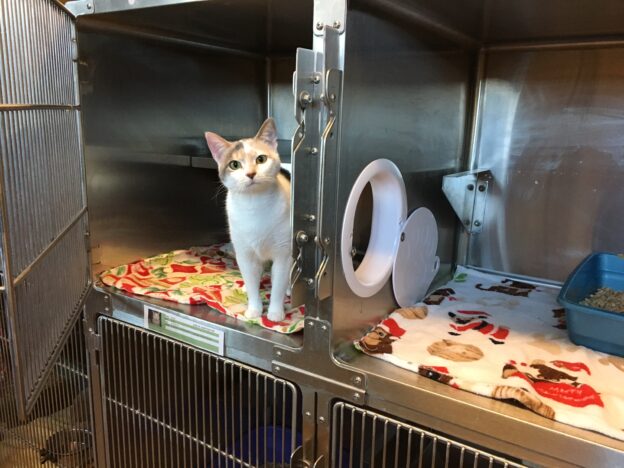
    • Many of those 3.5 million cats will have passed through a portal, a KSMP invention that retrofits feline housing and reduces stress and upper respiratory infections in hundreds of thousands of cats worldwide by providing the space they need to exhibit natural behaviors. 
    • Over six thousand animals have been sterilized by UC Davis fourth-year veterinary students completing a high volume spay and neuter rotation at our local animal shelter hosted by KSMP.

    There is an impression that our team is larger than it really is; in fact, the program you will be leading is small and scrappy. Our commitment comes from our shared belief that inside animal shelters are hard-working and innovative professionals that know what their community needs to move forward; our job is to give them the tools and help them shape the path to the humane outcomes they desire. In exchange, we discover and help magnify the successes being achieved by shelters across the nation. This virtuous cycle has enabled us to scale our efforts year after year and build the infrastructure that has prepared us to grow our program substantially and support California through our next transformative chapter. 

    If you’re ready to invest your time and talent into something that makes a positive impact, something that magnifies the good, something measurable, something that will inarguably improve the lives of pets and the people that love them, look no further.

    A brand-new position created for this once-in-a-lifetime opportunity. Is it yours?

    We’re looking for someone that loves building and scaling new programs. Someone intimately familiar with animal welfare and the sheltering culture is important for this role (extra bonus for the professional that already has an extensive network in California) but equally important is your experience managing teams, building engagement, will, and enthusiasm. We serve communities through animal shelters; communities are not made up of pets alone. The human-animal bond is central to everything we do. If you’re ready to invest your time and talent into something that makes a positive impact, something that magnifies the good, something measurable, something that will inarguably improve the lives of pets and the people that love them, look no further. 

    What would I be doing, specifically? 

    This position will provide strategic guidance to the team on unique challenges facing the sheltering community. A typical week leading this project would include building a statewide community among animal shelters; working closely with our deputy director to ensure different elements of this project are on track and planning our next grant opportunity; reviewing the progress of shelters we are working with and consulting with our other internal teams to see the full picture; and meeting with external partners to leverage every possible strategic investment in our goal. 

    As a manager of 2-3 staff, providing feedback and developmental opportunities as needed to recognize and/or improve performance and capacity will also be an important part of this role. You’ll also be part of our team expansion, so you would be leading the process of recruiting, interviewing, and onboarding additional members of the California for All Animals initiative. Of course there would likely also be typical university administration tasks, human resource duties, budget management tasks, and some oversight of the grants processes.

    A few of the EI/EQ qualities we think our new leader needs to succeed.

    We are looking for someone flexible but steady. Every personality type under the sun shines through the members of our team and those we serve. We are constantly changing and innovating, and you have to enjoy (or at least be okay with) that sort of thing to thrive on this team.  

    You must be passionate about the KSMP mission and helping communities of all shapes and sizes. The phrases “large-scale change,” “cohort building” and “community engagement” should turn your head in a conversation. If you’re not a disciplined self-starter, it would be nearly impossible to succeed in this role.

    As mentioned, we have big goals and a small, growing into a medium-sized team. To achieve our aims, we operate with excellence in mind in all matters, with the confidence to discuss and present ideas without ego interfering. We don’t always get it right, but we are committed on a cellular level to continuous improvement. You’ll need to have the kind of grit that wires you that way, too.  

    That doesn’t mean we’re a humorless bunch. Fun is important to us. We don’t goof off all day, but we fully encourage a light spirit that promotes healthy team culture, creativity, and imagination. In fact, it is an important part of our brand identity.

    We are part of a vibrant and expanding community

    The Koret Shelter Medicine Program (KSMP) is an education and research unit within the School of Veterinary Medicine at the University of California, Davis. The program supports the health and welfare of animals by applying the principles of shelter medicine to community animal management through shelters. Shelter Medicine defines a broad specialty that includes medicine, management, behavior, and the epidemiological study of community dynamics related to companion animal management. 

    Is this position speaking to you? Do you live in California or would you be open to the possibility? We’d love to hear from you!


    Click here to apply by October 20.

    Note: Davis is a great town, but you don’t have to move here as long as you reside in California. Please feel free to email sheltermedicine@ucdavis.edu if you have any questions.

  • Two On-Demand Webinars to Watch Right Now

    Two On-Demand Webinars to Watch Right Now

    Ch-ch-change is in the air and it’s not just the weather! Thank you to the hundreds of you that were able to attend this pair of webinars live last month. We were so inspired by the conversations that took place during and directly after the shows, and we’re even more invigorated by the messages that have been rolling into our inbox in the weeks that have followed.

    Together we’re pushing ourselves to take a more critical look at the ideas, language and policies that leave us feeling like we’re spinning our wheels and, instead of feeling overwhelmed and defeated, we’re doing something about it! 

    Don’t get left out of the conversation: Watch this double feature and let us know how things are changing, or how you wish they could change, for the cats in your neck of the woods. We’re always here for a good cat chat.

    The Language That Harms Cats

    Monica Frenden-Tarant, HSUS Senior Analyst, Cat Protection & Policy, Danielle Bays, and MCC co-founder Dr. Julie Levy gave great tips on how to match our storytelling to our mission when it comes to cats (Hint: those abundant cat overpopulation pyramid infographics aren’t doing us any favors, so think twice before you share them—according to mathematicians and scientists, an unaltered cat might have around 95 kittens over 7 years, not 370,092!).

    Watch the recording and jump into Maddie’s Pet Forum for more Q&A.

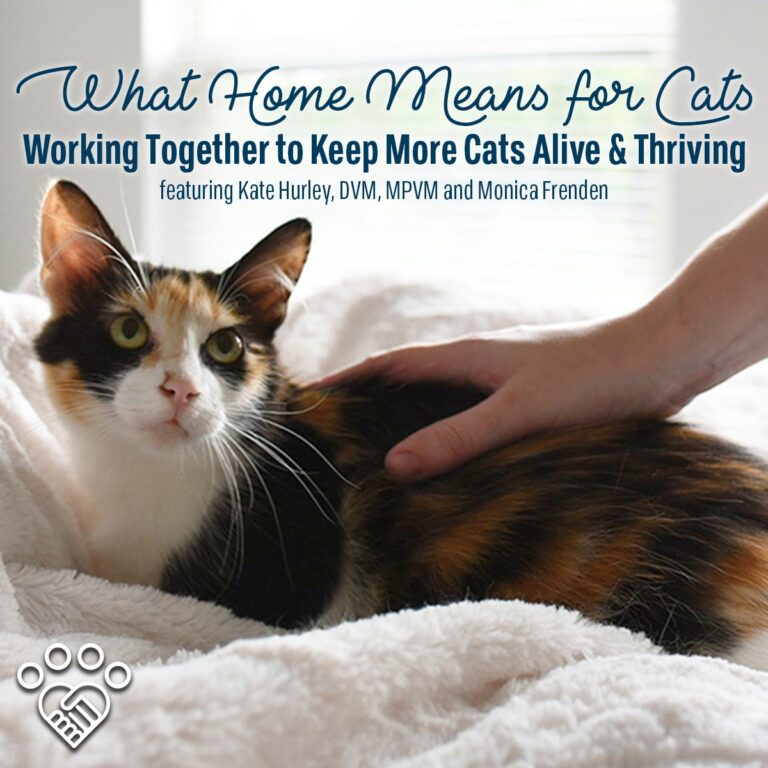
    What Home Means for Cats: Working Together to Keep More Cats Alive and Thriving

    In this webinar, Maddie’s Director of Feline Lifesaving Monica Frenden-Tarant joins UC Davis Koret Shelter Medicine Program Director Dr. Kate Hurley to talk about how we can work together to get #allthecats back home, whether home is outdoors or in and whether that cat is friendly or not.

    • Get clarity on all the acronyms we use to talk about community cat programs—RTF, RTH, TNR, SNR—and hear why the only term we really need is Return to Home.
    • Plus, learn how to enlist your community to help keep more cats alive and thriving and why indiscriminate impoundment of cats is not only harmful to the cats, but to marginalized communities.

    Watch the recording and jump into Maddie’s Pet Forum for more Q&A.

  • PSA: Kittens Are Not Orphans

    PSA: Kittens Are Not Orphans

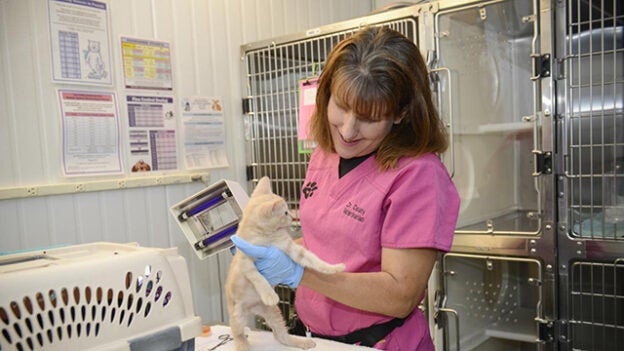
    How many times does this scene play out in your community, especially during kitten season? A finder stumbles on a litter of kittens in the neighborhood: cue sad violin music. The fluff, the paws, the mews—these kittens have been abandoned and need help, the finder thinks, and I must get them to the shelter ASAP!

    What we want the finder to think: A kitten’s best chance for survival is with her mother; I should look for signs that mom is around.

    How do we turn all-too-common scenario A into scenario B? First, we can and should recognize and validate finders’ desire to help—it’s an admirable impulse. But we can do this while also reminding them (and maybe sometimes even ourselves) that in most cases, kittens aren’t orphans. They’re not abandoned: mom’s got it covered. There are better ways to help your local litters and, unless the kittens are visibly sick, injured, or malnourished, they don’t involve a trip to the shelter before it’s time to be spayed/neutered.

    Ensure that well-meaning kitten crusaders don’t turn into kitnappers by offering crystal clear, consistent messaging on your website and social media channels, so that they know what to do before they settle the kittens into the car and show up at your door. You might distribute flyers where kittens tend to turn up or send a stack with field officers. Download the editable PDFs below and customize them with your own logo and contact information, or reach out to us; we’re happy to help! Print them, post them, share them on repeat.

    We know the best way to help the most vulnerable animals is to empower the people in our community to be heroes too—we just need to guide them along the way.

    [embeddoc url=”https://www.sheltermedportal.com/wp-content/uploads/2021/09/I-found-a-kitten-1_KSMP.pdf” ] [embeddoc url=”https://www.sheltermedportal.com/wp-content/uploads/2021/09/I-found-a-kitten-2_KSMP.pdf” ]
  • It Takes a Community to Help Cats: Two Webinars Bust Myths and Offer Tips

    It Takes a Community to Help Cats: Two Webinars Bust Myths and Offer Tips

    From inviting us to check our language or redefine what home means, these two back-to-back cat-centered webinars are here to help us better serve cats in our communities. Pounce on the latest Million Cat Challenge webinar if you missed it and register for next week’s offering from HASS, What Home Means for Cats: Working Together to Keep More Cats Alive and Thriving, featuring Maddie’s Director of Feline Lifesaving Monica Frenden-Tarant and UC Davis Koret Shelter Medicine Program Director Dr. Kate Hurley.

    Last week in Language That Harms Cats, Monica Frenden-Tarant, HSUS Senior Analyst, Cat Protection & Policy, Danielle Bays and MCC co-founder Dr. Julie Levy gave great tips on how to match our storytelling to our mission when it comes to cats (Hint: those abundant cat overpopulation pyramid infographics aren’t doing us any favors, so think twice before you share them—according to mathematicians and scientists, an unaltered cat might have around 95 kittens over 7 years, not 370,092!). Watch the recording and head to Maddie’s Pet Forum for more Q&A.

    The cat conversation continues next Tuesday, August 31 at 3 p.m. PT with What Home Means for Cats. In this live webinar, Monica Frenden-Tarant will join Dr. Kate Hurley to talk about how we can work together to get #allthecats back home, whether home is outdoors or in and whether that cat is friendly or not. Get clarity on all the acronyms we use to talk about community cat programs—RTF, RTH, TNR, SNR—and hear why the only term we really need is Return to Home. Plus, learn how to enlist your community to help keep more cats alive and thriving and why indiscriminate impoundment of cats is not only harmful to the cats, but to marginalized communities.


    Register here

  • Feral or Friendly: Explore How Language Can Harm (or Help!) Our Mission

    Feral or Friendly: Explore How Language Can Harm (or Help!) Our Mission

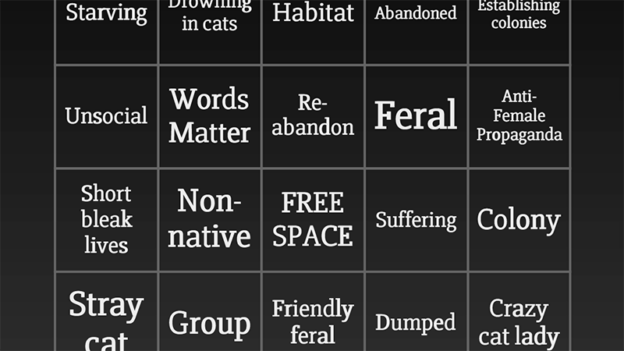
    Join us on August 18, 2021, 12 PM PT/3 PM ET for a 30-minute Million Cat Challenge webinar presented by Monica Frenden-Tarant, Danielle Bays, and Julie Levy on the Language That Harms Cats. Win a trap, play a round of bingo, and do a language check in 30 fast-paced minutes!

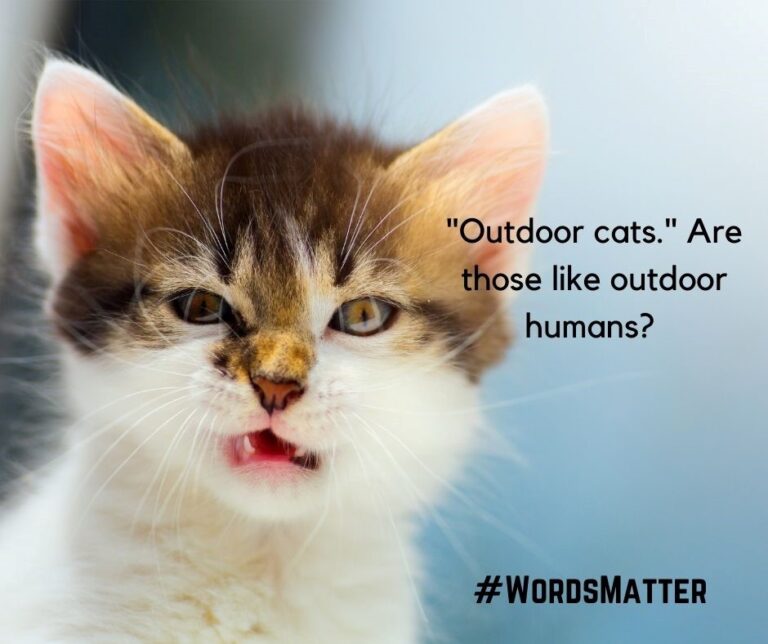
    It may seem nit-picky, but how we talk about cats and the specific words we use influence public perception and behavior, and sometimes might even damage the very cause we dedicate our lives to moving forward. 

    In this 30-minute webinar, we’re going to look at the stories, words, and images we use to tell the story of our work and our mission. Are these words helping us? For example, does the term “feral” hamper efforts to gain public support for community cat programs? How might your fundraising appeals accidentally create a backlash against those same programs?

    We’ll have time after the webinar to figure this out together, so you may want to hang around for the post-presentation Q&A if you can block a few more minutes on your calendar.

    Grab your daubers because we’re playing bingo during the webinar!

    You know your friends at Million Cat love a good party! Head over to the Maddie’s Pet Forum to register, download your bingo cards, enter the trap giveaway contest, and continue the dialogue: https://bit.ly/WebcastLanguageThatHarmsCats

    Did you say trap?!? 

    Our friends at Tomahawk Live Trap have donated one of their new gravity traps to be given away to an attendee of this webinar. PLUS, they are including a clear plexiglass back door. The whole setup makes for a roomier trap with a quieter tripping mechanism that is more enticing for cats to enter because it looks like they can walk all the way through. This is our new favorite trap for TNR programs. 


    Register here!

  • New Edition of Infectious Disease Management in Animal Shelters Available in Paperback

    New Edition of Infectious Disease Management in Animal Shelters Available in Paperback

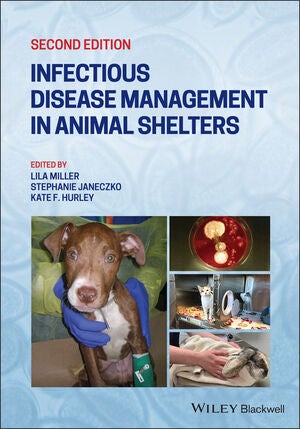
    Here’s a new release to add to your summer-and-beyond reading list: the revised second edition of Infectious Disease Management in Animal Shelters is now out in paperback, and it’s an essential resource for every shelter. Editors Dr. Lila Miller, former ASPCA Vice President of Shelter Medicine; Dr. Stephanie Janeczko, ASPCA Vice President of Shelter Medicine; and Dr. Kate Hurley, UC Davis Koret Shelter Medicine Program Director, have updated and expanded the first edition, published in 2009, to reflect advances in shelter medicine and best practices in preventing, managing and treating infectious diseases affecting cats, dogs and exotic small companion mammals in shelters.

    In the new edition, shelter veterinarians, managers and staff will find everything they need to help maintain animal health and wellbeing and improve outcomes:

    • Guidelines for general management and disease prevention and control in cats and dogs
    • Shelter medicine’s core principles of humane population management in the context of supporting shelters’ goals for preserving welfare, saving lives and protecting human health
    • A new chapter on exotic companion mammals
    • Practical strategies that draw on the latest research and evidence-based medicine and the authors’ personal experience in the field

    Though sheltering models have changed over the last twelve years, the focus on individual animal care and herd health is as foundational as ever. Successful disease management not only lowers euthanasia rates but also bolsters the very community-centered sheltering approach we are working toward. As Drs. Miller and Hurley note in their introduction, “the improved public confidence that a healthy population tends to generate can lead to greater support of the shelter, higher adoption rates, and an increased capacity to invest in programs to decrease shelter admission and keep pets healthy and safe with their families.”

    Infectious Disease Management in Animal Shelters, 2nd edition, is available to order online. Read the full introduction below. 

    [embeddoc url=”https://www.sheltermedportal.com/wp-content/uploads/2021/08/Introduction_Hurley-and-Miller.pdf” height=”800px” viewer=”google”]
  • California Budget Includes Money to Help Homeless Animals

    California Budget Includes Money to Help Homeless Animals

    UC Davis Koret Shelter Medicine Program to Administer Grants and Outreach

    California Gov. Gavin Newsom has signed budget legislation that includes $45 million in one-time support for a statewide Animal Shelter Assistance Program. The program will be administered by the Koret Shelter Medicine Program, at the University of California, Davis, Center for Companion Animal Health. The increase will be used to fund grants and outreach for the state’s animal shelters over a period of five years. The funding increase reflects the governor’s commitment to providing resources that can help communities realize the state’s long-held policy that “no adoptable or treatable animal should be euthanized.” Newsom tapped the Koret Shelter Medicine Program to set up a grant process, create and distribute educational materials and perform in-person consultations to help achieve the goals of the policy. He cited the program’s reputation for leadership in the field of shelter medicine and long history of working with California shelters. “This represents a promise fulfilled for animal shelters and communities, especially those that historically have been under-resourced. As the first academic shelter medicine program in the world, the Koret Shelter Medicine Program is well-positioned to provide the expertise required to earn the greatest return on this investment,” said Michael Kent, director of the Center for Companion Animal Health at the UC Davis School of Veterinary Medicine. A $5 million allotment for a two-year pilot project was funded in April. The $45 million augmentation restores the funding and longer timeline of the governor’s original proposal of $50 million over five years that was made in January of 2020. “We’re honored to be chosen to administer this pioneering program. This truly is a generational investment that has the potential to change the landscape for vulnerable animals and their families in California,” said Kate Hurley, founder and director of the Koret Shelter Medicine Program. “The additional $45 million allocation not only shows agencies throughout the state just like mine that our sacrifice and dedication is recognized, but also provides crucial fiscal support for programs essential to helping our communities rebuild from this devastating time,” said Cassie Heffington, animal services manager at Tulare County Animal Services. You can read more about the Animal Shelter Assistance Act. For a history of the governor’s original proposal, see Governor Newsom Proposes $50M Investment to Help California’s Homeless Animals and the California for All Dogs and Cats page at Sheltermedicine.com.

    We Want to Hear from You!

    What would you like to see in your shelter? Your state? Do you have ideas about how these one-time grant funds can not only help shelters that need support today but also build a roadmap that will advance and sustain California’s lifesaving in the future? Take a moment to tell us what interventions you think will set this program up for maximum impact. To be kept up-to-date about developments, please sign up for the California for All Dogs and Cats mailing list.
  • No Place Like Home: Why RTH Is Key

    No Place Like Home: Why RTH Is Key

    It’s at the heart of the work we do: getting animals back home. Over and over data confirms that both dogs and cats have a much higher chance of just that if reunification efforts are made in the neighborhoods where they are found, rather than after they’ve entered the shelter. And we know that the cycle of impounding and rehoming disproportionately impacts under-resourced and marginalized communities.

    We’re getting clearer on what works and what doesn’t for people and animals, and it’s time to clarify our terminology too. When it comes to serving community cats who are thriving right where they’re at, the programming might be called TNR, SNR or RTF. It’s important our language matches our mission and our work, which is why we wholeheartedly support the shift to Return to Home, or RTH.

    Return to Home may not be as easy as clicking your heels three times, but when we show up ready to learn from one another and our communities, we’ve got the collective brains, heart, and courage to make it happen. If you’re ready to explore all things possible with RTH, start with these recent must-sees:

    The Top Ten: Questions and Controversy with Community Cat Programs

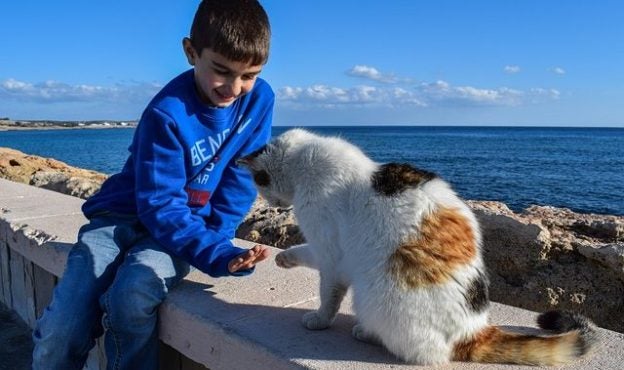
    For community cats, the majority of whom are unowned, though not uncared for, home looks a little different: it might be curling up under a network of caregiver porches instead of at the foot of a bed. In this Million Cat Challenge webinar, Maddie’s Fund® Director of Feline Lifesaving Monica Frenden, HSUS Senior Analyst Danielle Bays and Stray Cat Alliance Executive Director Christi Metropole answer common questions you receive about returning cats and give tips on crafting messaging that aligns with our universally-held goal of managing feline populations.

    What Happens to a Cat When You Put It Back?

    In this special presentation for California Animal Shelter COVID Action Response (CASCAR), Brittany Sundell details how Idaho’s West Valley Humane Society RTH community cat program employs innovative, low-cost research (breakaway collars and student-piloted drones for the win!) to gather valuable data on Canyon County cats and not only ensure the best care and outcomes for local felines—with an RTH rate of 85.9%—but also strengthen bonds between the shelter and community.

    https://vimeo.com/563810892/de3ed84755

    Using Data to Get Dogs Home

    In another recent CASCAR presentation, Tom Kremer breaks down the data behind his Frontiers article, “A New Web-Based Tool for RTO-Focused Animal Shelter Data Analysis,” leads viewers through a guided tour of the powerful and versatile tool, and explains how it enabled the team at Dallas Animal Services to document where dogs were coming from in the community and how far from home they were found in order to strengthen RTH efforts.

    https://vimeo.com/571695815/fac49d9a92

  • Last Call for Shelter Medicine Fellowship Applications

    Last Call for Shelter Medicine Fellowship Applications

    Calling all shelter veterinarians! Would you like to gain additional training, make a positive life-saving impact in your shelter and community, and join a supportive and like-minded group of vets? Apply by June 23 for the 2021/2022 UW Shelter Medicine Program/UC Davis Maddie’s Shelter Medicine Fellowship, which provides all of this to selected fellows at no cost, thanks to a grant from Maddie’s Fund®. 

    Through participation in this program, the Fellow will:

    • Become familiar with resources to improve shelter animal health.
    • Become familiar with the ASV Guidelines for Standards of Care.
    • Learn many important elements of shelter consultation, including considerations for housing, population planning, sanitation, physical and behavioral well-being, etc.
    • Interact closely with shelter medicine faculty, resident, fellow alumni and students with a goal that relationships will develop that promote life-long learning and collaboration between practitioners and academics.
    • Attend a one week virtual fellowship training camp ‘Shelter Medicine Intensive’ in order to work closely with other fellows in the program as well as the UW and UC Davis Shelter Medicine teams and veterinary students. 
    • Complete a project focusing on an aspect of interest to the fellow with relevance to their home base shelter and creation of materials to share with the field. 

    Year after year Fellowship is ranked as one of the most impactful and enjoyable things the UW and UCD teams engage in. If this opportunity isn’t for you, be a friend and share with anyone you think might benefit. It really is a game-changer.

    For full program details and application requirements, visit uwsheltermedicine.com.  

  • Addressing Concerns About Community Cats: How to Turn Controversy into Collaboration

    Addressing Concerns About Community Cats: How to Turn Controversy into Collaboration

    Are you considering launching, or have recently launched, a RTF/SNR/TNR program and are now dealing with an onslaught of questions and/or pushback from your community about why you’re putting cats/kittens back where they came from? Are you being accused of abandonment? Wreaking havoc on the environment, birds, gardens, peace AND quiet? Although it may not feel like it at times, you and your community share the same goal, and the June 25 webinar The Top Ten: Questions and Controversy with Community Cat Programs from Maddie’s Fund® and the Million Cat Challenge will help you build on this common ground.

    Whether you identify as an animal welfare professional, a bird lover, someone who just wants these cats out of your yard, or all of the above, we’re all here for the most effective, sustainable way to reduce the number of cats living outside. Our challenge lies in communicating the benefits of a proven strategy that can often seem counterintuitive to those new to feline management.

    An all-star panel featuring Monica Frenden (Maddie’s® Director of Feline Lifesaving), Danielle Bays (HSUS Senior Analyst, Cat Protection & Policy) and Christi Metropole (Executive Director of Stray Cat Alliance) will give answers to the top ten questions you receive about TNR, SNR, and returning cats, and let us know how to message community cat program alignment with our universally-held goal of managing feline populations.

    Save the date and register here. Want to be sure your question is addressed? Email #allthecats@millioncatchallenge.org and we’ll queue it up for showtime.