Shelter Learniverse and Industry-Wide Calendar

Blog

  • Webinar – 9/23/21 – Stressed Out: Does it Look Like You Think it Does? – Amy Cook, PhD – FDSA (fee applies)

    Webinar – 9/23/21 – Stressed Out: Does it Look Like You Think it Does? – Amy Cook, PhD – FDSA (fee applies)

    Most of us know the overt signs of more extreme stress, but if you want to help your dog not get that stressed then you need to intervene early, and that means knowing it’s much more subtle signs! In this webinar we’ll go over signs of stress from the most overt to the most subtle, and consider strategies for lessening stress when it comes up from the environment and from your training choices.

    Please note: This webinar is back by popular demand. Please check your webinar library before purchasing.

    WEBSITE LINK:  https://www.fenzidogsportsacademy.com/index.php/self-study/webinars

  • VIN/IVAPM Rounds – 9/23/21 – Detecting, Diagnosing, and Monitoring Feline OA Pain: Overview of a Practical Approach, and Discussion of the Role of the MiPSC and FMPI-sf – VIN/VSPN

    VIN/IVAPM Rounds – 9/23/21 – Detecting, Diagnosing, and Monitoring Feline OA Pain: Overview of a Practical Approach, and Discussion of the Role of the MiPSC and FMPI-sf – VIN/VSPN

    Presented by B. Duncan X. Lascelles, BSc, BVSC, PhD, FRCVS, CertVA, DSAS(ST), DECVS, DACVS, and Margaret E. Gruen, DVM, MVPH, PhD, DACVB

    Attend this session to earn 1 hour free CE credit.

    WEBSITE LINK:  https://www.vin.com/doc/?id=10423574

  • Webinar – 9/22/21 – How to Build a Year-End Social Media Plan that Gets Results – Network for Good

    Webinar – 9/22/21 – How to Build a Year-End Social Media Plan that Gets Results – Network for Good

    The end of the year is swiftly approaching. You know what that means — giving season is almost here! So we ask the question, is your social media year-end ready?

    Roughly seven-in-ten Americans use some kind of social media platform and about 30% of nonprofit website traffic comes from social media. And nearly one third (31%) of annual giving occurs in December. That’s why social media must be part of your year-end fundraising strategy.

    With the focus often being on direct mail appeals at year-end, where does social media fit in? How can nonprofits cut through the year-end clutter, engage their donors, and raise more money – all without tech overwhelm or added stress?

    In this webinar, digital fundraising expert Julia Campbell will show you her tried-and-true methods for creating a year-end social media plan that gets results and helps you achieve your year-end fundraising goals!

    WEBSITE LINK:  https://www.networkforgood.com/resource/year-end-social-media-plan/

  • Webinar – 10/20/21 – A Squinting Cat? Herpes Virus Until Proven Otherwise! – VETGirl (fee applies)

    Webinar – 10/20/21 – A Squinting Cat? Herpes Virus Until Proven Otherwise! – VETGirl (fee applies)

    You got the herp?

    We’re not talking about the Herpes Virus you were worried about after Spring Break in 1982…

    We are talking about eye problems due to Feline Herpes Virus – 1!

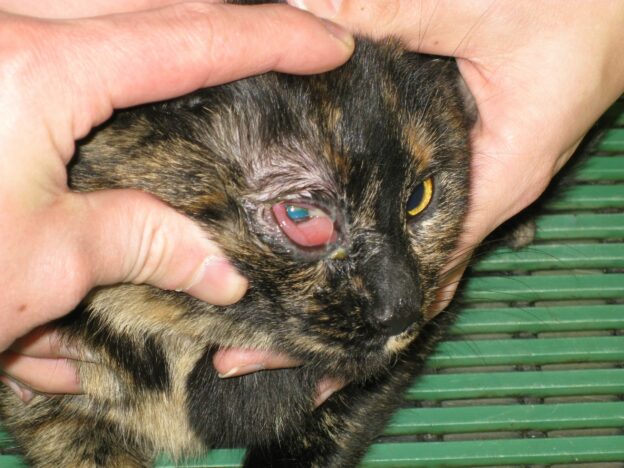
    Join us for a 2-hour, VETgirl ophthalmology CE track webinar where Dr. Shelby Reinstein, DACVO reviews the eye conditions related to Feline Herpes Virus. In this lecture, she’ll review the basic pathogenesis and various clinical syndromes of FHV-1 including conjunctivitis, corneal ulceration, corneal sequestra, and eosinophilic keratoconjunctivitis. Find out about the various treatment options available for FHV-1, with a special focus given to newer antiviral medications.

    Not a VETgirl ELITE member? VETgirl ELITE members receive 100+ hours of RACE-approved, online veterinary CE/year ($249). That way, you know that you have flexibility to view any of our webinars (including small animallarge animalveterinary technicianleadershippractice management) and listen to our podcasts when you have time.

    All the webinars are recorded and can be viewed 24/7 after their release date for CE credit. If you’re watching the recording later on, don’t forget to take the CE quiz with it when you’re done to get your CE certificate!

    *Note: Viewing this webinar is for individual use only; VETgirl webinars are not designed nor meant to be viewed in a group setting due to RACE-CE audit purposes. Inappropriate sharing or viewing of the webinar may result in revoking of membership.

    WEBSITE LINK:  https://vetgirlontherun.com/webinars/october-20-2021-a-squinting-cat-herpes-virus-until-proven-otherwise/

  • Webinar – 10/19/21 – Otitis Externa Practice Essentials – VETGirl

    Webinar – 10/19/21 – Otitis Externa Practice Essentials – VETGirl

    I HEARD it through the grapevine… tune in to HEAR more!

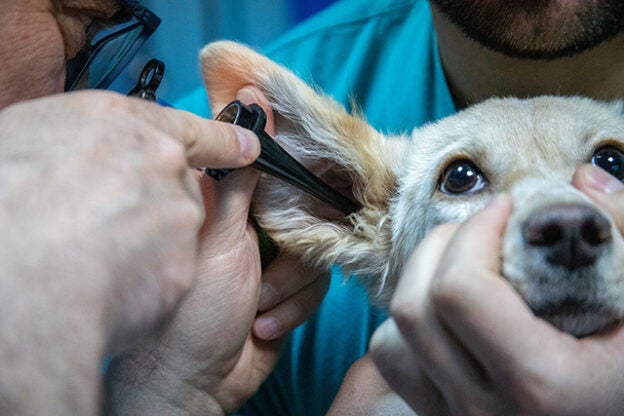
    In this complimentary VETgirlMerck Animal Health YouTube LIVE event, Dr. Michael Canfield, DACVD reviews ear anatomy, equipment, clinical procedures, and treatment of otitis externa to promote quality patient outcomes.

    NOTE: To attend this YouTube LIVE session, there is no “registration.” To attend, simply go to our YouTube Page at the time of the event where the webinar will be hosted, LIVE! NOTE: 7 days prior to the event the specific link for the event will replace the YouTube link above.

    Thanks to sponsorship from Merck Animal Health, this YouTube LIVE event is free to all! Get free RACE-approved CE when you watch it LIVE!

    Not a VETgirl ELITE member? VETgirl ELITE members receive 100+ hours of RACE-approved, online veterinary CE/year ($249). That way, you know that you have flexibility to view any of our webinars (including small animallarge animalveterinary technicianleadership, and listen to our podcasts when you have time.

    *Note: Viewing this webinar is for individual use only; VETgirl webinars are not designed nor meant to be viewed in a group setting due to RACE-CE audit purposes. Inappropriate sharing or viewing of the webinar may result in revoking of membership.

    WEBSITE LINK:  https://vetgirlontherun.com/webinars/october-19-2021-otitis-externa-practice-essentials/

  • Webinar – 10/19/21 – All I Need to Know About Anesthesia Machines and Breathing Systems – VETGirl (fee applies)

    Webinar – 10/19/21 – All I Need to Know About Anesthesia Machines and Breathing Systems – VETGirl (fee applies)

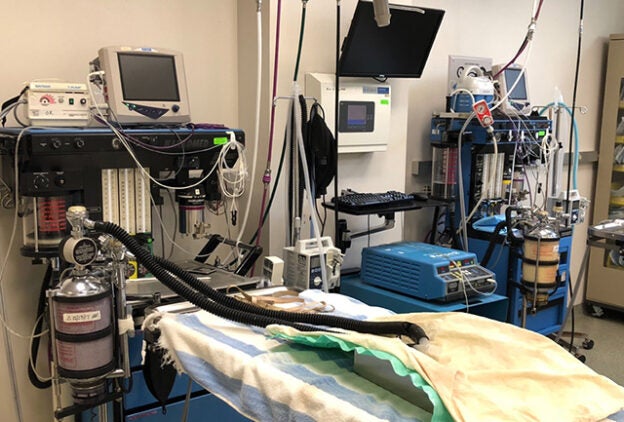
    In this 1-hour, VETgirl anesthesia webinar, Dr. Mike Barletta, DVM, MS, PhD, DACVAA reviews how the anesthesia machine works, different oxygen sources, oxygen flowmeters, vaporizers, CO2 absorbent, and scavenging systems. Dr. Barletta will also describe different breathing systems available on the market and will review how to choose the appropriate breathing system for different patients.

    Not a VETgirl ELITE member? VETgirl ELITE members receive 100+ hours of RACE-approved, online veterinary CE/year ($249). That way, you know that you have flexibility to view any of our webinars (including small animallarge animalveterinary technicianleadershippractice management) and listen to our podcasts when you have time.

    All the webinars are recorded and can be viewed 24/7 after their release date for CE credit. If you’re watching the recording later on, don’t forget to take the CE quiz with it when you’re done to get your CE certificate!

    *Note: Viewing this webinar is for individual use only; VETgirl webinars are not designed nor meant to be viewed in a group setting due to RACE-CE audit purposes. Inappropriate sharing or viewing of the webinar may result in revoking of membership.

    WEBSITE LINK:  https://vetgirlontherun.com/webinars/october-19-2021-all-i-need-to-know-about-anesthesia-machines-and-breathing-systems/

  • Webinar – 10/12/21 – Surgical Pain Management and the Incorporation of Liposomal Bupivacaine – VETGirl

    Webinar – 10/12/21 – Surgical Pain Management and the Incorporation of Liposomal Bupivacaine – VETGirl

    Join us for a complimentary VETgirlElanco webinar, where Dr. Andrew Jackson, DACVS reviews how we can use multimodal pain therapy during surgical procedures. Surgical technique, tissue handling, and multiple modal anesthesia/analgesia can reduce the amount of pain in the patient. This webinar will review surgical pain control, discuss how to implement local anesthesia in your veterinary practice, and what the expected effects and cost management of medications are.

    Thanks to sponsorship from Elanco, this webinar is free to all!

    Not a VETgirl ELITE member? VETgirl ELITE members receive 100+ hours of RACE-approved, online veterinary CE/year ($249). That way, you know that you have flexibility to view any of our webinars (including small animallarge animalveterinary technicianleadershippractice management) and listen to our podcasts when you have time.

    All the webinars are recorded and can be viewed 24/7 after their release date for CE credit. If you’re watching the recording later on, don’t forget to take the CE quiz with it when you’re done to get your CE certificate!

    *Note: Viewing this webinar is for individual use only; VETgirl webinars are not designed nor meant to be viewed in a group setting due to RACE-CE audit purposes. Inappropriate sharing or viewing of the webinar may result in revoking of membership.

    WEBSITE LINK:  https://vetgirlontherun.com/webinars/october-12-2021-surgical-pain-management-and-the-incorporation-of-liposomal-bupivacaine/

  • Webinar – 9/28/21 – Providing the Optimum Environment for Cats – Fear Free

    Webinar – 9/28/21 – Providing the Optimum Environment for Cats – Fear Free

    Many behavior problems in cats develop due to our failure to provide them with their behavioral needs. This presentation with Valarie Tynes, DVM, DACVB, DACAW, will review the social structure of the cat and why multi-cat households can be so stressful. Recognizing these signs of stress and how to avoid their development be covered. In addition, a variety of tips for meeting the environmental and behavioral needs of the cat will be reviewed.

    Attendees will learn:
    – The unique social structure of cats and how it impacts stress in the multi-cat household
    – Some common signs of stress in cats
    – Ways for meeting the environmental needs of the cat

    Brought to you by our friends at Ceva Animal Health

    WEBSITE LINK:  https://us02web.zoom.us/webinar/register/WN_WLJL2GVQROGoHiMQcmOcqQ

  • Webinar – 9/21/21 – Resource Guarding in Dogs: A Fear Free Approach – Fear Free

    Webinar – 9/21/21 – Resource Guarding in Dogs: A Fear Free Approach – Fear Free

    Resource guarding is a common problem in dogs with a wide variety of behavioral presentations. The condition is sometimes referred to as possessive aggression, and it poses a serious risk of injury when aggression is directed toward humans or other animals. Resource guarding can negatively affect the human-animal bond and the dog’s social relationship with other animals. In this webinar, Kenneth Martin, DVM, DACVB, will discuss prevention, establishing a diagnosis, and treatment recommendations.

    Attendees will learn:
    – How to provide dog owners with general recommendations for the prevention of resource guarding in dogs
    – Specific training exercises helpful for preventing and treating resource guarding in dogs
    – Behavior modification techniques and medications that can be helpful in treating possessive aggression

    Presenter Dr. Kenneth Martin is a Diplomate of the American College of Veterinary Behaviorists and a licensed practicing veterinarian in the state of Texas. He has been treating animal behavior disorders and training problems for over 20 years. Dr. Martin is a Fear Free Certified Elite Professional and a subject matter expert for Fear Free.

    Brought to you by our friends at Blue Buffalo.

    WEBSITE LINK:  https://us02web.zoom.us/webinar/register/WN_1XMTnOzVTVy4ElHYr5Jx5g

  • Lost and Found: How to Help Finders Get Pets Home

    Lost and Found: How to Help Finders Get Pets Home

    You ask, we answer! We’re opening our mailbag (okay, our inbox) and getting curious about shelters’ most-asked questions. What’s on your mind? Email your question to sheltermedicine@ucdavis.edu.

    What can we do to require finders of stray pets report the animal to the shelter? Is a municipal code the way to go?

    We want to do everything we can to make sure families have a fair chance to get lost pets back and that stray animals get the care they need. In our desire to connect with finders and ensure these outcomes, setting clear requirements outlining when and how finders must report animals to the shelter may seem like the logical next step. After all, we want to help finders help pets. But there’s a good chance these requirements, though well-intended, could have the opposite effect. Before you set up a whole bunch of rules and regulations, take some time to consider whether your intentions will match your impact.

    Requirements can be challenging to enforce

    Unless shelter staff have the bandwidth to scan lost and found pages, Nextdoor, Facebook, etc., cross-check against shelter listings, then identify and cite people that have failed to follow reporting requirements, any code related to this will be largely unenforceable. Plus, from a PR perspective, this type of enforcement could be problematic and further discourage found animal posting. Ultimately if someone finds a pet and wants to keep it, there is little a shelter can do if the finder does not advertise that fact, so we must rely on the finder’s goodwill to a large extent.

    More regulations, more problems

    Regulations meant to stop problematic behavior can paradoxically produce more problems. Cat feeding bans, for example, are often enacted to eliminate inappropriate cat feeding and associated nuisances, but few (if any) shelters are staffed sufficiently to actually catch people in the act of feeding. As a result, people still feed but, knowing the activity is prohibited, become reluctant to reach out to the shelter for TNR support or other help that could keep things from getting out of hand, and we lose the chance to guide people towards better feeding practices.

    Similarly, shelters once relied on burdensome adoption requirements and high fees with the good goal of protecting pets. However, given that shelters couldn’t stop people from getting pets from other sources, that often led potential adopters to avoid the shelter altogether and get an intact—or unvaccinated, unidentified, declawed, outdoor—pet from another source.

    Barriers to building trust

    Whether we’re talking about feeding bans, adoption requirements, or found animal reporting regulations, we risk missing opportunities to build relationships, even tenuous ones, with the very folks whom we most want to reach. For instance, if there is a requirement that an animal be brought in for spay/neuter and formal adoption back to the finder if not reunited with the owner, people who don’t want to spay/neuter their pets will be more likely to not report. Then the person will be on their own to figure out how to post the pet as found; the pet will be less likely to be reunited with the owner, and there is no longer an opening to discuss resources and reasons for spay/neuter down the line.

    Another approach

    It’s worth asking if it would be more promising to simply shape the path towards the desired behavior by making it easier, sanctioned, appreciated or rewarded in some way. This is especially critical in light of shelters right now filling up with big dogs; it’s so much better if they can get the care they need and the opportunity to be reunited with their families outside the shelter—where they have a higher chance of getting back home. 

    Here are a few alternatives to requirements that can build bridges:

    • If a finder contacts the shelter and posts the pet officially, offer to have an officer come out “for free” to do a microchip scan and maybe give them a couple of goodies, like pet food or a leash.
    • Qualify finders who complete the process and decide to keep the pet for a free or reduced-cost spay/neuter—what you would offer an adopter, but framed as a perk, rather than a requirement.
    • Highlight happy endings: When a finder’s collaboration with the shelter helps reunite a pet with their owner or results in an adoption, share that story on your social media channels and thank the finder for their part in making it happen.

    People have been finding pets and then finding their owners on their own for as long as pets have been around. By offering guidance rather than regulations, we are inviting our communities to work with us toward a shared goal: reuniting more pets with their families.