
Shelter Learniverse and Industry-Wide Calendar

Blog

  • Lost and Found: How to Help Finders Get Pets Home

    Lost and Found: How to Help Finders Get Pets Home

    You ask, we answer! We’re opening our mailbag (okay, our inbox) and getting curious about shelters’ most-asked questions. What’s on your mind? Email your question to sheltermedicine@ucdavis.edu.

    What can we do to require finders of stray pets report the animal to the shelter? Is a municipal code the way to go?

    We want to do everything we can to make sure families have a fair chance to get lost pets back and that stray animals get the care they need. In our desire to connect with finders and ensure these outcomes, setting clear requirements outlining when and how finders must report animals to the shelter may seem like the logical next step. After all, we want to help finders help pets. But there’s a good chance these requirements, though well-intended, could have the opposite effect. Before you set up a whole bunch of rules and regulations, take some time to consider whether your intentions will match your impact.

    Requirements can be challenging to enforce

    Unless shelter staff have the bandwidth to scan lost and found pages, Nextdoor, Facebook, etc., cross-check against shelter listings, then identify and cite people that have failed to follow reporting requirements, any code related to this will be largely unenforceable. Plus, from a PR perspective, this type of enforcement could be problematic and further discourage found animal posting. Ultimately if someone finds a pet and wants to keep it, there is little a shelter can do if the finder does not advertise that fact, so we must rely on the finder’s goodwill to a large extent.

    More regulations, more problems

    Regulations meant to stop problematic behavior can paradoxically produce more problems. Cat feeding bans, for example, are often enacted to eliminate inappropriate cat feeding and associated nuisances, but few (if any) shelters are staffed sufficiently to actually catch people in the act of feeding. As a result, people still feed but, knowing the activity is prohibited, become reluctant to reach out to the shelter for TNR support or other help that could keep things from getting out of hand, and we lose the chance to guide people towards better feeding practices.

    Similarly, shelters once relied on burdensome adoption requirements and high fees with the good goal of protecting pets. However, given that shelters couldn’t stop people from getting pets from other sources, that often led potential adopters to avoid the shelter altogether and get an intact—or unvaccinated, unidentified, declawed, outdoor—pet from another source.

    Barriers to building trust

    Whether we’re talking about feeding bans, adoption requirements, or found animal reporting regulations, we risk missing opportunities to build relationships, even tenuous ones, with the very folks whom we most want to reach. For instance, if there is a requirement that an animal be brought in for spay/neuter and formal adoption back to the finder if not reunited with the owner, people who don’t want to spay/neuter their pets will be more likely to not report. Then the person will be on their own to figure out how to post the pet as found; the pet will be less likely to be reunited with the owner, and there is no longer an opening to discuss resources and reasons for spay/neuter down the line.

    Another approach

    It’s worth asking if it would be more promising to simply shape the path towards the desired behavior by making it easier, sanctioned, appreciated or rewarded in some way. This is especially critical in light of shelters right now filling up with big dogs; it’s so much better if they can get the care they need and the opportunity to be reunited with their families outside the shelter—where they have a higher chance of getting back home. 

    Here are a few alternatives to requirements that can build bridges:

    • If a finder contacts the shelter and posts the pet officially, offer to have an officer come out “for free” to do a microchip scan and maybe give them a couple of goodies, like pet food or a leash.
    • Qualify finders who complete the process and decide to keep the pet for a free or reduced-cost spay/neuter—what you would offer an adopter, but framed as a perk, rather than a requirement.
    • Highlight happy endings: When a finder’s collaboration with the shelter helps reunite a pet with their owner or results in an adoption, share that story on your social media channels and thank the finder for their part in making it happen.

    People have been finding pets and then finding their owners on their own for as long as pets have been around. By offering guidance rather than regulations, we are inviting our communities to work with us toward a shared goal: reuniting more pets with their families.

  • Online Event – 10/20/21 – Maddie’s® Candid Conversation with Allison Cardona – Maddie’s Fund

    Online Event – 10/20/21 – Maddie’s® Candid Conversation with Allison Cardona – Maddie’s Fund

    Join us for an open, informal 30-minute conversation and Q+A with Allison Cardona, Deputy Director of Los Angeles County Animal Care and Control.

    In this discussion with Maddie’s Fund Executive Leadership Team member Mary Ippoliti-Smith, Allison speaks of overcoming her own experiences with systemic bias and what she sees as initial steps we can take to widen diversity, equity and inclusion in our field while strengthening the human-animal bond.

    Afterwards, continue the conversation with Allison on Maddie’s Pet Forum: http://bit.ly/candidconvoallisoncardona

    WEBSITE LINK:  https://maddiesfund-org.zoom.us/meeting/register/tZEtde6qrjIiGNCqbbGZK0bMtE1M6691oRv6

  • Webinar – 10/27/21 – Ensuring Transparency While Keeping Marketing and Adoption Counseling Separate – Maddie’s Fund

    Webinar – 10/27/21 – Ensuring Transparency While Keeping Marketing and Adoption Counseling Separate – Maddie’s Fund

    The changes you can make to maximize the potential for making emotional connections between pets and potential adopters and fosters are simple but powerful. This webcast will make the case for the separation of marketing and adoption counseling through reviewing the science behind how we form relationships and why warning labels work to keep consumers from taking products home.

    You’ll learn the difference between marketing and adoption counseling, what a “stop sign” is and how you can avoid them, and how to ensure that adopters and fosters are given full transparency about a pet’s history before they take them home.

    This webinar will be recorded and has been pre-approved for 1.0 Certified Animal Welfare Administrator continuing education credits by The Association for Animal Welfare Advancement and by the National Animal Care & Control Association.

    Presenters

    Kelly Duer, Foster Care Specialist, Maddie’s Fund

    As Foster Care Specialist for Maddie’s Fund, Kelly’s focus is on helping shelters and rescue organizations increase pet welfare through the implementation of robust foster care programs. Her role includes creating and providing training for organizations and their foster coordinators, writing, assisting with research on foster care and consulting with shelters. Her work with foster care and marketing has been featured in many national publications, websites and networks, including Animal Sheltering magazine, the Huffington Post, Best Friends magazine, BarkPost, Catster Magazine, iheartdogs.com and HuffPost Live.

    Kristen Hassen, Director, American Pets Alive!

    Kristen Hassen, MA, is the Maddie’s® Director of American Pets Alive!, overseeing the Human Animal Support Services project, the Maddie’s® Learning Academy, and AmPA!’s lifesaving initiatives. Previously, she served as the Director of Pima Animal Care Center, the open-admission animal services department in Tucson, Arizona, and before that, the Deputy Director of Austin Animal Center, in Austin, Texas. Kristen is an adjunct faculty member at the University of Arizona’s Mel and Enid Zuckerman College of Public Health and serves on the Board of Directors of the National Animal Control Association. Kristen writes and teaches nationally and internationally on a variety of subjects including animal services organizational restructuring, transforming animal services culture, progressive animal control, high volume foster programs, animal welfare as social justice movement, crisis communications, community-centered sheltering practices, the Human Animal Support Services elements, and the future of animal welfare volunteer programs.

    WEBSITE LINK:  https://maddiesfund-org.zoom.us/webinar/register/WN_n-0uMnY4SkCu5PSOUMELZA

  • Webinar – 10/7/21 – Take Advantage of Staffing Shortages: Hire for Your Vision of the Future – HASS

    Webinar – 10/7/21 – Take Advantage of Staffing Shortages: Hire for Your Vision of the Future – HASS

    Between COVID-19 and shifting our focus to supporting the bond between people and pets, times have changed, but have your positions and staffing strategies? We need to re-evaluate how we structure our teams, recruit, hire, and train our staff to drive our missions forward. Reimagine your teams in the future by tuning into this webinar with Dr. Ellen Jefferson, President and CEO of Austin Pets Alive! And American Pets Alive!; Matt Pepper, President and CEO of Michigan Humane; Lisa LaFontaine, CEO of Humane Rescue Alliance; and Diaz Dixon, System Vice President of CommonSpirit Health Foundation; to learn more about staffing to support the new model of animal services for both people and their pets.

    WEBSITE LINK:  https://us02web.zoom.us/webinar/register/8616317357799/WN_o1UZUS4uRoKmx_N_SQiQ9g

  • Online Event – 10/11/21 to 10/12/21 – 2021 Access to Veterinary Care Virtual Symposium – PPHE (fee applies)

    Online Event – 10/11/21 to 10/12/21 – 2021 Access to Veterinary Care Virtual Symposium – PPHE (fee applies)

    Sessions will cover lessons learned during the Pilot Phase of the AlignCare One Health healthcare system. Discussions will focus on strategies used to help increase access to veterinary care for bonded families. Presenters will share the roadmap for communities interested in developing and creating AlignCare communities, which will help families in need to reduce the barriers they face in accessing sick or injury veterinary care for their pet(s).

    WEBSITE LINK:  https://pphe.utk.edu/

  • Webinar – 10/14/21 – Psychopharmacology: Prescribing for Canine and Feline Patients – ACVB (fee applies)

    Webinar – 10/14/21 – Psychopharmacology: Prescribing for Canine and Feline Patients – ACVB (fee applies)

    Many indications for psychotropic medications exist, including generalized anxiety, separation anxiety, panic disorders, persistent phobias, compulsive disorders and more. Daily drugs are given as such – every day, regardless of events, season, or stress level. Patients on daily psychotropic medications may still be in need of additional help to alleviate panic, fear and/or anxiety during predictable, situational events, as the daily medications may not be enough to control intense spike in stress levels. Other patients who display distress only as a result of known, predictable triggers, such as fireworks, car travel or thunderstorms, may benefit from an event medication alone. This lecture will give an overview of the main classes of drugs used for daily and as needed treatment of emotional disorders in dogs and cats – how they work, what the therapeutic expectations are for each, and what side effects may be expected. Drug interactions, adverse effects, and weaning protocols will also be discussed.

    Dr. Meghan Herron is the Senior Director of Behavioral Medicine Research, Education, and Outreach at Gigi’s – A Shelter Organization dedicated to improving the lives of shelter dogs. Prior to her current position, she spent over a decade as head of the Behavioral Medicine Service at The Ohio State University. She graduated from The Ohio State University College of Veterinary Medicine and became board-certified as diplomate of the American College of Veterinary Behaviorists after completing a residency at the University of Pennsylvania.

    WEBSITE LINK:  https://register.gotowebinar.com/register/5985218351663722252

  • Webinar – 9/23/21 – Jessica Hekman, PhD – Stressed Out: Dogs, Hormones, and Stress – FDSA (fee applies)

    Webinar – 9/23/21 – Jessica Hekman, PhD – Stressed Out: Dogs, Hormones, and Stress – FDSA (fee applies)

    What happens in your dog’s brain and body when something scares her? How long can you expect her stress response to last? In this webinar, Jessica Hekman, DVM, PhD, will talk about the stress response in dogs. She will explain the original evolutionary purpose of the stress response; what the hormones involved in it (like cortisol) do in the body; the difference between acute and chronic stress and the different effects the have on dogs’ health; and what we know about how long it takes the body to clear those hormones. You will definitely learn some cool stuff about how the brain works and what that means for your dog’s ability to focus through the stress of something like a trial environment!

    Fee: $19.95 – Registration required PRIOR to scheduled presentation time.

    Please note: This webinar is back by popular demand. Please check your webinar library before purchasing.

    WEBSITE LINK:  https://www.fenzidogsportsacademy.com/index.php/self-study/webinars

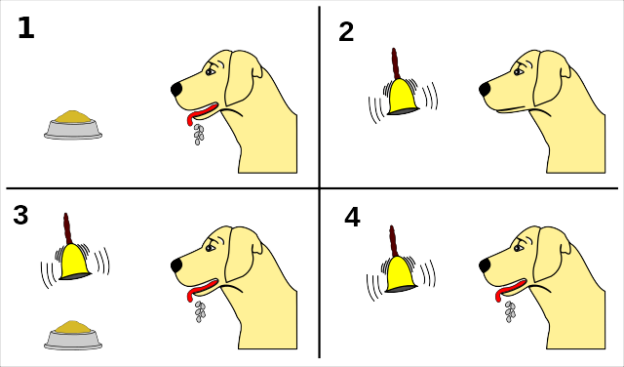
  • Webinar – 10/27/21 – The Power of Pavlov. Presented by Dr. Karolina Westlund – PPG (fee applies)

    Webinar – 10/27/21 – The Power of Pavlov. Presented by Dr. Karolina Westlund – PPG (fee applies)

    Classical conditioning is important to understand for anyone interacting with animals. This session will examine and discuss practical examples of:

    The matter of order.
    Blocking.
    Overshadowing.
    Respondent extinction.
    Spontaneous recovery.
    Pre-exposure.
    Learned irrelevance.
    Latent inhibition.

    In the session, the presenter will discuss how these learning mechanisms impacts animals’ emotional states, decision making and behavior – and how we can best harness them.

    Level of difficulty: Advanced

    CEUs: PPAB 1, CCPDT 1, IAABC 1, KPA 1

    WEBSITE LINK:  https://petprofessionalguild.com/event-4300666

  • Webinar – 9/16/21 – Moira Hechenleitner – But is it Really Separation Anxiety? – FDSA (fee applies)

    Webinar – 9/16/21 – Moira Hechenleitner – But is it Really Separation Anxiety? – FDSA (fee applies)

    The term “Separation Anxiety” had never been so widespread as it has been during pandemic and post pandemic times. But is it really Separation Anxiety that everybody is talking about? Is that dog who vocalizes while being left home alone for the first time after lock down actually experiencing Separation Anxiety? Or could it be something else? During this one-hour talk Moira will highlight the variety of issues that could be happening when a dog reacts while home alone, and will describe the crucial components of assessing and finding out what is truly going on so it can be successfully addressed.

    Fee: $19.95 – Registration required PRIOR to scheduled presentation time.

    WEBSITE LINK:  https://www.fenzidogsportsacademy.com/index.php/self-study/webinars

  • Webinar – 10/10/21 – Empowering Your Team: On Helping Your Team Reach Their Personal Career Potential – VETGirl (fee applies)

    Webinar – 10/10/21 – Empowering Your Team: On Helping Your Team Reach Their Personal Career Potential – VETGirl (fee applies)

    “Just” a technician?! “Just” a receptionist? “Just” an assistant? Heck-no.

    In this VETgirl practice management webinar, Dr. Heather Douglas, MBA, CVA reviews how to empower your veterinary team by helping your staff members reach their own personal career potential. Avoid the trap of squelching your team potential and recognize the true value to your practice. Tune into this webinar to delve into the many career opportunities you can provide to your team while retaining the best and brightest at your practice.

    Not a VETgirl ELITE member? VETgirl ELITE members receive 100+ hours of RACE-approved, online veterinary CE/year ($249). That way, you know that you have flexibility to view any of our webinars (including small animallarge animalveterinary technicianleadershippractice management) and listen to our podcasts when you have time.

    All the webinars are recorded and can be viewed 24/7 after their release date for CE credit. If you’re watching the recording later on, don’t forget to take the CE quiz with it when you’re done to get your CE certificate!

    WEBSITE LINK:  https://vetgirlontherun.com/webinars/october-10-2021-empowering-your-team-on-helping-your-team-reach-their-personal-career-potential/