In this VETgirl webinar, Dr. Michael Jaffe, DVM, MS, CCRP, DACVS will review a common-sense approach to juvenile canine orthopedic disease. Dr. Jaffe will explain orthopedic injuries in juvenile canines, how to diagnose them, and treatment options available. Tune in to learn about elbow dysplasia, OCD, panosteitis, injuries to growth plates, and other common orthopedic diseases seen in young canine patients.
All the webinars are recorded and can be viewed 24/7 after their release date for CE credit. If you’re watching the recording later on, don’t forget to take the CE quiz with it when you’re done to get your CE certificate!
What’s new with veterinary oncology? In this complimentaryVETgirl–Blue Buffalo webinar, Dr. Cheryl London, DVM, PhD, DACVIM reviews some of the recent advances in the diagnosis and treatment of cancer in dogs. Tune in to learn newer findings regarding canine cancer genetics, non-invasive screening tools, therapy monitoring, and new treatment strategies.
Thanks to sponsorship from Blue Buffalo, this webinar is FREE to all!
All the webinars are recorded and can be viewed 24/7 after their release date for CE credit. If you’re watching the recording later on, don’t forget to take the CE quiz with it when you’re done to get your CE certificate!
While pain management is a vital part of Fear Free, it is even more important for cats who have been declawed. Join us and Robin Downing, DVM, MS, DAAPM, DACVSMR, CVPP, CCRP, founder of The Downing Center for Animal Pain Management, to learn about the trauma of feline toe amputation from the pain, biomechanical, and bioethical perspectives. Don’t miss this session that will energize your commitment to “Just Say No”!
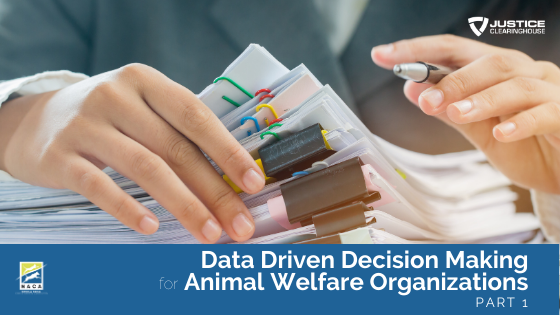
In the field of animal welfare, we have not always been the best at keeping track of data and metrics around the work we do; we are simply focused on getting the job done. That is all changing, and in order to justify our budgets, apply for grants, seek additional personnel, etc. we are not being asked to provide data to support our requests. This presentation will begin the conversation surrounding metrics we can and should be tracking in different areas of our operations, how to ensure we are getting “clean” data, and how to begin to apply it.
The National Animal Care & Control Association (NACA) was formed in 1978 for the express purpose of assisting its members to perform their duties in a professional manner. We believe only carefully selected and properly trained animal control personnel can correct community problems resulting from irresponsible animal ownership. NACA’s purpose is to preserve the Human/Animal Bond by insisting on responsible animal ownership.
Presenters:
>
Dr. Josh Fisher has an educational background in population management/medicine, public health, veterinary sciences, informatics, and healthcare administration. He has been working in the veterinary medical/animal welfare field for over 15 years holding management roles in private practices, cooperate practices, the NCSU College of Veterinary Medicine, county government, and now as the Animal Services Director for the City of Charlotte/Charlotte-Mecklenburg Police Department.
A strong advocate for professional development and growth in the animal welfare industry, Josh seeks to involve staff in continued education and training opportunities as well as in cutting edge industry research. His professional interests focus on disease reduction/prevention, advanced marketing/placement and intake reduction tactics, strategic planning, and staff career development in the area of animal welfare. His projects include increasing interest of veterinary/veterinary technician students in the animal welfare industry as well as working with community veterinarians to break down barriers, develop relationships, and increase involvement in community-focused animal welfare (animal control and sheltering) practices.
It is a passion of Josh’s to bring a level of awareness to the animal welfare industry in such a way that young adults and college students make the decision to pursue animal welfare as a profession rather than falling into it by chance.
It’s at the heart of the work we do: getting animals back home. Over and over data confirms that both dogs and cats have a much higher chance of just that if reunification efforts are made in the neighborhoods where they are found, rather than after they’ve entered the shelter. And we know that the cycle of impounding and rehoming disproportionately impacts under-resourced and marginalized communities.
We’re getting clearer on what works and what doesn’t for people and animals, and it’s time to clarify our terminology too. When it comes to serving community cats who are thriving right where they’re at, the programming might be called TNR, SNR or RTF. It’s important our language matches our mission and our work, which is why we wholeheartedly support the shift to Return to Home, or RTH.
Return to Home may not be as easy as clicking your heels three times, but when we show up ready to learn from one another and our communities, we’ve got the collective brains, heart, and courage to make it happen. If you’re ready to explore all things possible with RTH, start with these recent must-sees:
The Top Ten: Questions and Controversy with Community Cat Programs
For community cats, the majority of whom are unowned, though not uncared for, home looks a little different: it might be curling up under a network of caregiver porches instead of at the foot of a bed. In this Million Cat Challenge webinar, Maddie’s Fund®Director of Feline Lifesaving Monica Frenden, HSUS Senior Analyst Danielle Bays and Stray Cat Alliance Executive Director Christi Metropole answer common questions you receive about returning cats and give tips on crafting messaging that aligns with our universally-held goal of managing feline populations.
What Happens to a Cat When You Put It Back?
In this special presentation for California Animal Shelter COVID Action Response (CASCAR), Brittany Sundell details how Idaho’s West Valley Humane Society RTH community cat program employs innovative, low-cost research (breakaway collars and student-piloted drones for the win!) to gather valuable data on Canyon County cats and not only ensure the best care and outcomes for local felines—with an RTH rate of 85.9%—but also strengthen bonds between the shelter and community.
https://vimeo.com/563810892/de3ed84755
Using Data to Get Dogs Home
In another recent CASCAR presentation, Tom Kremer breaks down the data behind his Frontiers article, “A New Web-Based Tool for RTO-Focused Animal Shelter Data Analysis,” leads viewers through a guided tour of the powerful and versatile tool, and explains how it enabled the team at Dallas Animal Services to document where dogs were coming from in the community and how far from home they were found in order to strengthen RTH efforts.
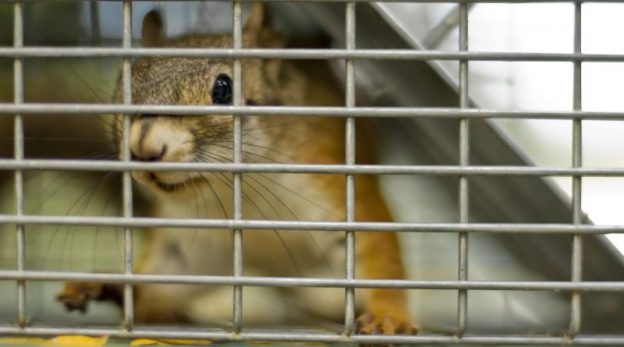
Most pet owners and animal care professionals think that traps ( foot-traps/snares/body-grip/cage traps) are a danger for only a few winter months of the year for fur trapping. The reality is that in every state these devices can be legally set at any time in the name of predator control or “nuisance” wildlife control. Most pet owners would not recognize these devices, or know how to remove their pet from them if they were caught. This workshop will start by defining the dangers that can be out there 24/7/365. We will cover what they look like; where to expect to find them and how to remove your pet or other animals that might become caught. You will learn how to minimize the chance for your communities pets to get caught. Including how to pursue public posting of trapping activity, and how to seek Trap Free Zones where pet owners can take their companions to for safe hiking and exercise.
This webinar will be held on September 14th at 1:00 p.m. EDT.
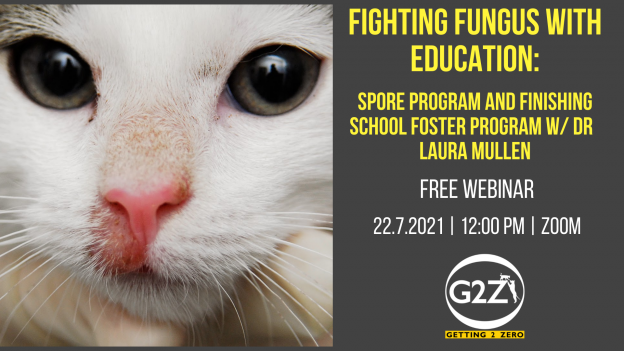
At many shelters, ringworm can lead to devastating consequences. However, it does not have to be — with proper protocols, it can be safely treated and cured. At the San Francisco SPCA, we save over 350 animals with ringworm every year. Wanting to do more, we created the SPORE (Shelters Preventing Outbreaks of Ringworm through Education) program in 2013 to teach others how to better detect, treat, and manage ringworm in their shelter. For this session, we will be outlining research-based protocols that are in use here at the SF SPCA and examine how those same concepts apply to a variety of different shelters and rescues. We will explore the use of volunteers and the community to help this type of program flourish in fanatically constrained environments, such as animal shelters. We will also take a look at a new pilot foster program for ringworm animals called the Finishing School Foster Program that fosters out ringworm animals at the end of their treatment, freeing up space in the shelter to help more animals in need.
Presenter: Dr. Laura Mullen
Laura started working at the San Francisco SPCA in 2001, enjoyed a variety of roles with in the Shelter Medicine Department, ranging from Veterinary Assistant to Foster Coordinator, and has now settled in the position of Shelter Medicine Outreach Programs Manager. She is passionate about education and finding workable solutions within the shelter community. In 2012, Laura received a small grant from the SF SPCA board to start the SPORE Program that now saves over 350 animals with ringworm yearly. SPORE, Shelters Preventing Outbreaks of Ringworm through Education, is a program that teaches shelters how to better detect, treat and manage ringworm in the shelter setting. Starting out her training locally, focusing on municipal shelters in the Bay Area, she soon discovered a niche that would help to save countless of innocent lives. With the help of Maddie’s Fund, more than 80 shelters from over 25 different states have come to the SF SPCA to receive training from the SPORE Program, are currently treating ringworm at their facility, eliminating fear though education in their community and saving lives.
Join a conversation about the importance of planning for a disaster event in your community before you and your agency are thrust into a response. The panel will discuss:
Identifying the role that you, your agency and your partners will play during a response
The process of developing a disaster plan
Policy updates that may inform or guide how you respond, including The PREPARED Act, updates on AWA contingency rules, and state developments
The importance of training, equipment, partnerships, and structure during a disaster response, including Incident Command System (ICS)
Moderated by Jim Tedford, CAWA, CEO & President, The Association for Animal Welfare Advancement
The Roundtable Guests:
Tim Rickey, Vice President, Field Investigations & Response, ASPCA
Tim Perciful, Manager, Disaster Response, ASPCA
Susan Anderson, Director, Disaster Response, ASPCA
Andrew Binovi, Senior Manager, Federal Legislation, ASPCA
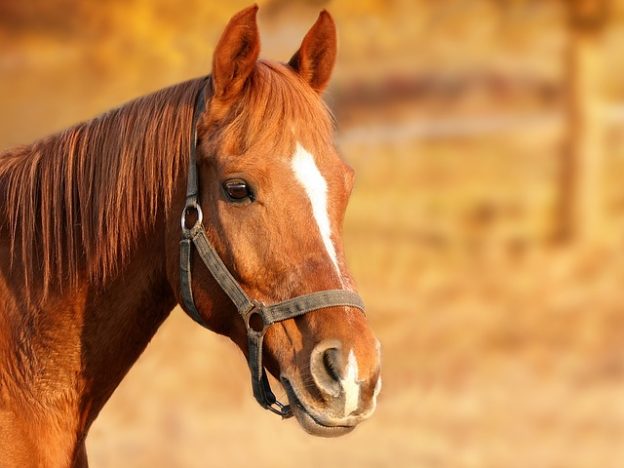
While many animal welfare organizations have made great advancements for dog and cat adoption and safety net programming, in general, equines have received less attention and resources. The ASPCA has been collecting data and collaborating with shelters and the equine industry with the aim of increasing support and decreasing risk for equines in potential need of sheltering and rehoming. If there are equines at risk in your community, join us for a conversation about elevating equines in the sheltering world.
Moderated by Katherine, Shenar, CAWA, Executive Vice President, The Association for Animal Welfare Advancement
The Roundtable Guests:
Emily Weiss, Ph.D., Vice President of Equine Welfare, ASPCA
Matt Levien, Director of Shelter Operations, Animal Rescue League of Iowa
Ellen Rawlins, Vice President of Operations, Humane Society of North Texas
Lori Redmon, President and CEO, Kentucky Humane Society
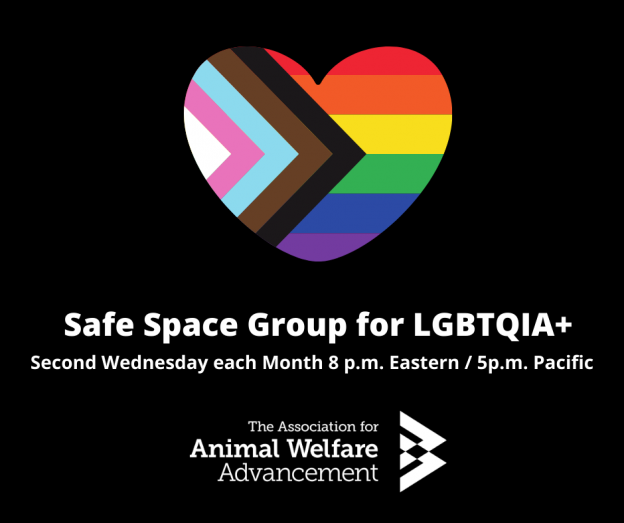
The Association for Animal Welfare Advancement’s monthly Safe Space Group for LGBTQIA+ Zoom meeting aims to bring people together in a positive and non-judgmental environment where we can fully express our individuality, shared experiences, and perspectives.
The goal of the group is for social support and advocacy—to create a place of safety and sense of community for those in the LGBTQIA+ community, share our unique experiences, and ultimately, identify needs and challenges for LGBTQIA+ professionals in animal welfare and determine action-oriented solutions.
This Safe Space is specifically for professionals currently working in animal welfare who identify as LGBTQIA+
If you are an ally wishing to support this work, please share this meeting information with your LGBTQIA+ colleagues.