Shelter Learniverse and Industry-Wide Calendar

Blog

  • Online Course – Enrollment open 9/1/21 to 9/15/21 – Workshop – Cohort Structure – Shelter Playgroup Alliance

    Online Course – Enrollment open 9/1/21 to 9/15/21 – Workshop – Cohort Structure – Shelter Playgroup Alliance

    WORKSHOP STRUCTURE

    Winter Cohort Enrollment Begins September 1. Send in your letter of interest by September 15.

    Program Overview:  This series of educational modules will prepare participants to manage playgroups using the LIMA ethical standard and use conspecific interactions for behavior modification.

    Cohort Structure: Learners will be invited to join a cohort of 75 individuals that will meet virtually for three months via the Litmos LMS platform.  Each cohort will be invited to twice-monthly (bi-weekly) hour-long, live meetings via Zoom webinar so that questions can be answered live.  The bi-weekly meetings will feature video analysis and discussion of relevant topics.  A discussion board per cohort will be maintained and moderated.  After matriculation of each cohort, the cohort’s discussion board will be archived.

    Registration process: Individuals interested in joining each cohort must submit an “e-mail of interest” to the executive director, Mara Velez requesting to be added to the upcoming cohort. Each person must login at least twice a month and complete modules in order to continue. If, after a period of 30 days, a learner has not logged-in, they will be contracted; if no response within five days, their user account will be deactivated.

    Completion Timeframe: Learners will be expected to complete one module per week, which will require 60-90 minutes per week. The program consisting of Foundation and Intermediate modules will be expected to be completed within a three month time-frame. The total seat time per week is estimated to be two to two and a half hours.

    CLICK HERE TO DOWNLOAD MORE INFORMATION

    WEBSITE LINK:  https://www.shelterdogplay.org/workshops

  • Webinar – 9/2/21 – Risk Assessment of Aggression Cases – Dog iBox (fee applies)

    Webinar – 9/2/21 – Risk Assessment of Aggression Cases – Dog iBox (fee applies)

    Veterinarians and behavior professionals are frequently faced with questions about aggressive behaviors that may include biting, scratching, lunging, or threatening postures. As with other behavioral questions, it is rare for there to be a single “right” answer to a question, or a “one size fits all” solution to the problem that is occurring. This presentation will discuss risk factors that affect the likelihood of achieving a safe and successful outcome for these patients. Strategies for approaching topics such as rehoming or humane euthanasia will also be covered.

    WEBSITE LINK:  https://www.dog-ibox.com/market/catalog/live-webinars/live-webinars-english-c-34/risk-assessment-of-aggression-cases.html

  • Webinar – 7/29/21 – The Adolescent Period of Development and Its Implications for Behavior/Dog-Owner – PPG (fee applies)

    Webinar – 7/29/21 – The Adolescent Period of Development and Its Implications for Behavior/Dog-Owner – PPG (fee applies)

    Whilst knowledge of dog behavior during adolescence arguably exists in the public and professional domain, the period of adolescence in dogs and other companion animals is vastly understudied within the scientific community.

    Adolescence is a relatively long period of development during which a juvenile becomes an adult and is marked by intense neurological and hormonal changes. Within the domestic dog, adolescence is typically considered to begin with the onset of pubertal development at around 6 months of age (puberty is thought to begin between 6-9 months in males and 6-16 months of age in females) and continues until behavioral/social maturity is reached. There is no precisely agreed age at which an individual dog can be considered behaviorally mature, but dogs aged younger than two years have the shortest memory spans and certain trait level behavioral changes still occur between 18-24 months of age in border collie dogs. Therefore, dogs aged under 2 years of age are likely to still be undergoing adolescent behavioral development.

    This period of development is likely to be a particularly vulnerable time for dog-owner relationships, and for shaping the long-term behavior of the developing animal. In this session, the presenter will provide an overview of the neurological and behavioural changes that mammals undergo during adolescence, along with highlighting the potential implications.

    Although the particular focus of this session will be on dogs, much of the theory and evidence behind it should be applicable across all mammalian species, and much of the background provided will be in general terms, so the session should be applicable for anyone interested simply in mammalian behavior development.

    CEUs: PPAB 1, CCPDT 1, IAABC 1, KPA 1


    About Your Presenter

    Dr. Naomi Harvey is a zoologist with a specialty in applied animal behavior and veterinary health and welfare. Since November 2019, she has been working at the Dogs Trust as a research manager in canine behavior and she holds an honorary position as an associate professor of companion animal behavior and welfare at the University of Nottingham. With a BSc in zoology from Cardiff University and a PhD in applied canine behavior from the University of Nottingham, Dr. Harvey has a particular specialty in designing and validating methods for securing robust and valid measures of animal behavior from their guardians.

    She also has expertise in veterinary epidemiology, having successfully designed and led the Itchy Dog project to investigate the environmental and genetic risk factors for canine atopic dermatitis and its impact on dog behavior. Her research interests lie in improving the evidence base for issues affecting companion animal welfare within the fields of veterinary medicine and clinical animal behavior, to better inform how we manage and treat the animals in our care. Her PhD focused on how behavior develops in juvenile guide dogs, and as such, she has a particular interest in the adolescent phase of development and what it could mean for our pets.

    WEBSITE LINK:  https://petprofessionalguild.com/event-4361943

  • Webinar – 7/29/21 – Denise Fenzi – Calming Games for High Arousal – FDSA (fee applies)

    Webinar – 7/29/21 – Denise Fenzi – Calming Games for High Arousal – FDSA (fee applies)

    You love your dog’s enthusiasm for the reinforcer but you don’t love the frantic ball of fur energy that comes out in its presence. You love your dog’s drive for work but sometimes you wish she took a day off once in a while. You love to train your dog at home but when you go out, it’s as if the whole world is a trigger for high arousal.

    Sound familiar?

    Easily aroused dogs are awesome dogs with fantastic working capacity but sometimes we wish they could self-regulate better. Self regulation is necessary to live peacefully in our world, and if you have goals for competition, they are essential in order to perform with a clear head. Plus, it’s kinder to the dog. Who wants to exist in a state of overarousal all the time?

    So what can you do? You can learn to provide appropriate outlets for that energy, and give your dog the tools they need to relax (or escalate) their arousal as appropriate. Here’s where Calming Games for High Arousal come in! We hope you’ll join Denise Fenzi for this webinar to find out about the skills and games you can play with your dog to raise and lower arousal. An essential skill for both life and sports!

    WEBSITE LINK:  https://www.fenzidogsportsacademy.com/index.php/fdsa-calendar

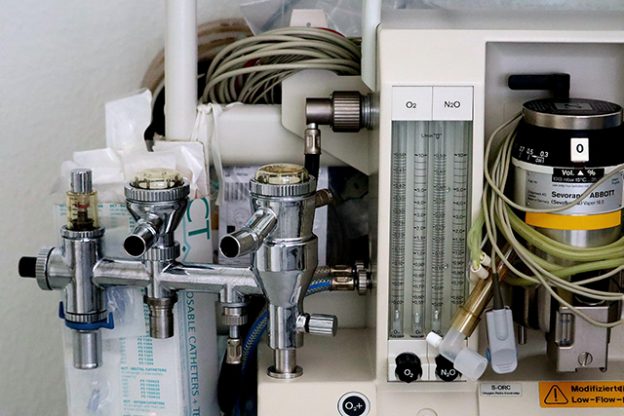
  • Webinar – 8/3/21 – Anesthetic considerations for different organ systems: What to do when one or more system is suffering – VETGirl (fee applies)

    Webinar – 8/3/21 – Anesthetic considerations for different organ systems: What to do when one or more system is suffering – VETGirl (fee applies)

    In this VETgirl veterinary technician webinar, Jaime Maher, CVT, VTS (AA, ECC) reviews anesthesia considerations for different organ systems. Tune in to learn how to optimize your patient for anesthesia, even in emergency situations, and what key monitoring parameters to focus on in certain disease processes.

    Want to learn more? Check out our other veterinary technician webinars HERE.

    Not a VETgirl ELITE member? VETgirl ELITE members receive 100+ hours of RACE-approved, online veterinary CE/year ($249). That way, you know that you have flexibility to view any of our webinars (including small animallarge animalveterinary technicianleadershippractice management) and listen to our podcasts when you have time.

    All the webinars are recorded and can be viewed 24/7 after their release date for CE credit. If you’re watching the recording later on, don’t forget to take the CE quiz with it when you’re done to get your CE certificate!

    WEBSITE LINK:  https://vetgirlontherun.com/webinars/august-3-2021-anesthetic-considerations-for-different-organ-systems-what-to-do-when-one-or-more-system-is-suffering/

  • Webinar – 7/29/21 – Why is My Puppy Limping? A Common-Sense Approach to Juvenile Canine Orthopedic Diseases – VETGirl (fee applies)

    Webinar – 7/29/21 – Why is My Puppy Limping? A Common-Sense Approach to Juvenile Canine Orthopedic Diseases – VETGirl (fee applies)

    In this VETgirl webinar, Dr. Michael Jaffe, DVM, MS, CCRP, DACVS will review a common-sense approach to juvenile canine orthopedic disease. Dr. Jaffe will explain orthopedic injuries in juvenile canines, how to diagnose them, and treatment options available. Tune in to learn about elbow dysplasia, OCD, panosteitis, injuries to growth plates, and other common orthopedic diseases seen in young canine patients.

    Not a VETgirl ELITE member? VETgirl ELITE members receive 100+ hours of RACE-approved, online veterinary CE/year ($249). That way, you know that you have flexibility to view any of our webinars (including small animallarge animalveterinary technicianleadershippractice management) and listen to our podcasts when you have time.

    All the webinars are recorded and can be viewed 24/7 after their release date for CE credit. If you’re watching the recording later on, don’t forget to take the CE quiz with it when you’re done to get your CE certificate!

    WEBSITE LINK:  https://vetgirlontherun.com/webinars/july-29-2021-why-is-my-puppy-limping-a-common-sense-approach-to-juvenile-canine-orthopedic-diseases/

  • Webinar – 7/27/21 – Advances in the diagnosis and treatment of cancer in our canine companions – VETGirl

    Webinar – 7/27/21 – Advances in the diagnosis and treatment of cancer in our canine companions – VETGirl

    What’s new with veterinary oncology? In this complimentary VETgirlBlue Buffalo webinar, Dr. Cheryl London, DVM, PhD, DACVIM reviews some of the recent advances in the diagnosis and treatment of cancer in dogs. Tune in to learn newer findings regarding canine cancer genetics, non-invasive screening tools, therapy monitoring, and new treatment strategies.

    Thanks to sponsorship from Blue Buffalo, this webinar is FREE to all!

    Not a VETgirl ELITE member? VETgirl ELITE members receive 100+ hours of RACE-approved, online veterinary CE/year ($249). That way, you know that you have flexibility to view any of our webinars (including small animallarge animalveterinary technicianleadershippractice management) and listen to our podcasts when you have time.

    All the webinars are recorded and can be viewed 24/7 after their release date for CE credit. If you’re watching the recording later on, don’t forget to take the CE quiz with it when you’re done to get your CE certificate!

    WEBSITE LINK:  https://vetgirlontherun.com/webinars/july-27-2021-advances-in-the-diagnosis-and-treatment-of-cancer-in-our-canine-companions/


  • Webinar – 7/15/21 – Understanding Declaw Trauma: A Pain, Biomechanical, and Bioethical Perspective – Fear Free

    Webinar – 7/15/21 – Understanding Declaw Trauma: A Pain, Biomechanical, and Bioethical Perspective – Fear Free

    While pain management is a vital part of Fear Free, it is even more important for cats who have been declawed. Join us and Robin Downing, DVM, MS, DAAPM, DACVSMR, CVPP, CCRP, founder of The Downing Center for Animal Pain Management, to learn about the trauma of feline toe amputation from the pain, biomechanical, and bioethical perspectives. Don’t miss this session that will energize your commitment to “Just Say No”!

    WEBSITE LINK:  https://fearfreepets.com/resources/webinars/

  • Webinar – 8/17/21 – Data-Driven Decision Making for Animal Welfare Organizations: Part 1 – NACA/Justice Clearinghouse

    Webinar – 8/17/21 – Data-Driven Decision Making for Animal Welfare Organizations: Part 1 – NACA/Justice Clearinghouse

    In the field of animal welfare, we have not always been the best at keeping track of data and metrics around the work we do; we are simply focused on getting the job done.  That is all changing, and in order to justify our budgets, apply for grants, seek additional personnel, etc. we are not being asked to provide data to support our requests.  This presentation will begin the conversation surrounding metrics we can and should be tracking in different areas of our operations, how to ensure we are getting “clean” data, and how to begin to apply it.


    The National Animal Care & Control Association (NACA) was formed in 1978 for the express purpose of assisting its members to perform their duties in a professional manner. We believe only carefully selected and properly trained animal control personnel can correct community problems resulting from irresponsible animal ownership. NACA’s purpose is to preserve the Human/Animal Bond by insisting on responsible animal ownership.


    Presenters:

    >

    Dr. Josh Fisher has an educational background in population management/medicine, public health, veterinary sciences, informatics, and healthcare administration.  He has been working in the veterinary medical/animal welfare field for over 15 years holding management roles in private practices, cooperate practices, the NCSU College of Veterinary Medicine, county government, and now as the Animal Services Director for the City of Charlotte/Charlotte-Mecklenburg Police Department.

    A strong advocate for professional development and growth in the animal welfare industry, Josh seeks to involve staff in continued education and training opportunities as well as in cutting edge industry research.  His professional interests focus on disease reduction/prevention, advanced marketing/placement and intake reduction tactics, strategic planning, and staff career development in the area of animal welfare.  His projects include increasing interest of veterinary/veterinary technician students in the animal welfare industry as well as working with community veterinarians to break down barriers, develop relationships, and increase involvement in community-focused animal welfare (animal control and sheltering) practices.

    It is a passion of Josh’s to bring a level of awareness to the animal welfare industry in such a way that young adults and college students make the decision to pursue animal welfare as a profession rather than falling into it by chance.

    WEBSITE LINK:  https://www.justiceclearinghouse.com/webinar/data-driven-decision-making-for-animal-welfare-organizations-part-1/

  • No Place Like Home: Why RTH Is Key

    No Place Like Home: Why RTH Is Key

    It’s at the heart of the work we do: getting animals back home. Over and over data confirms that both dogs and cats have a much higher chance of just that if reunification efforts are made in the neighborhoods where they are found, rather than after they’ve entered the shelter. And we know that the cycle of impounding and rehoming disproportionately impacts under-resourced and marginalized communities.

    We’re getting clearer on what works and what doesn’t for people and animals, and it’s time to clarify our terminology too. When it comes to serving community cats who are thriving right where they’re at, the programming might be called TNR, SNR or RTF. It’s important our language matches our mission and our work, which is why we wholeheartedly support the shift to Return to Home, or RTH.

    Return to Home may not be as easy as clicking your heels three times, but when we show up ready to learn from one another and our communities, we’ve got the collective brains, heart, and courage to make it happen. If you’re ready to explore all things possible with RTH, start with these recent must-sees:

    The Top Ten: Questions and Controversy with Community Cat Programs

    For community cats, the majority of whom are unowned, though not uncared for, home looks a little different: it might be curling up under a network of caregiver porches instead of at the foot of a bed. In this Million Cat Challenge webinar, Maddie’s Fund® Director of Feline Lifesaving Monica Frenden, HSUS Senior Analyst Danielle Bays and Stray Cat Alliance Executive Director Christi Metropole answer common questions you receive about returning cats and give tips on crafting messaging that aligns with our universally-held goal of managing feline populations.

    What Happens to a Cat When You Put It Back?

    In this special presentation for California Animal Shelter COVID Action Response (CASCAR), Brittany Sundell details how Idaho’s West Valley Humane Society RTH community cat program employs innovative, low-cost research (breakaway collars and student-piloted drones for the win!) to gather valuable data on Canyon County cats and not only ensure the best care and outcomes for local felines—with an RTH rate of 85.9%—but also strengthen bonds between the shelter and community.

    https://vimeo.com/563810892/de3ed84755

    Using Data to Get Dogs Home

    In another recent CASCAR presentation, Tom Kremer breaks down the data behind his Frontiers article, “A New Web-Based Tool for RTO-Focused Animal Shelter Data Analysis,” leads viewers through a guided tour of the powerful and versatile tool, and explains how it enabled the team at Dallas Animal Services to document where dogs were coming from in the community and how far from home they were found in order to strengthen RTH efforts.

    https://vimeo.com/571695815/fac49d9a92