Shelter Learniverse and Industry-Wide Calendar

Blog

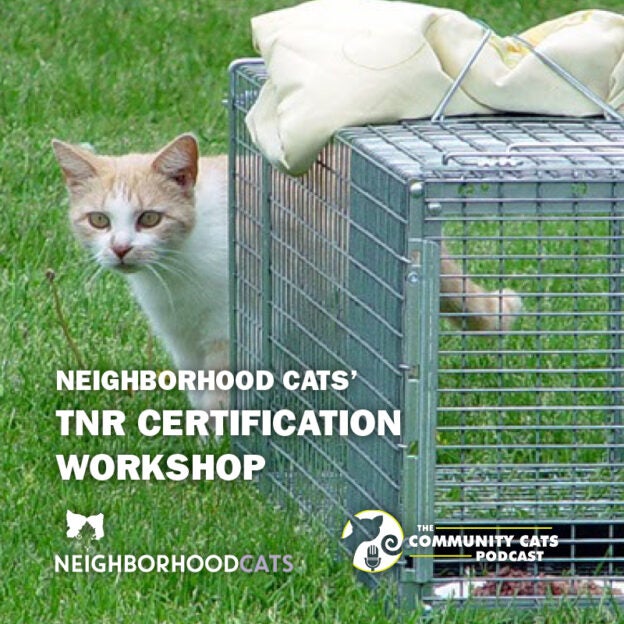
  • Webinar – 3/6/21 – Neighborhood Cats TNR Certification Workshop – Community Cats Podcast (small fee applies)

    Webinar – 3/6/21 – Neighborhood Cats TNR Certification Workshop – Community Cats Podcast (small fee applies)

    In this virtual course hosted by the Community Cats Podcast, learn from the experts at Neighborhood Cats what TNR is, why it works, and how to get started. We’ll cover getting along with neighbors, preparations for trapping, trapping itself (including entire colonies at once), feeding, winter shelter and more. Take advantage of the interactive format, extensive handouts and video footage of actual projects. Attendees receive a Certificate of Attendance.  Special extra session on March 6 by Iowa Humane Alliance about local TNR resources.

    *If you are a volunteer with All About Rescue in Michigan, you will be asked to stay on after the workshop for a special session for your program.

    **New York City-area attendees who earn their certificate will also qualify for free local TNR services, including spay/neuter, trap rentals, and expert hands-on assistance. If you are an NYC-area resident, you will receive access to a recorded session on how to access these NYC resources.
    WEBSITE LINK:  https://www.communitycatspodcast.com/product/neighborhood-cats-tnr-certification-workshop-mar-6/

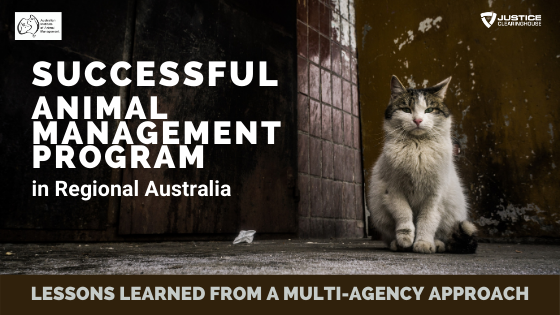
  • Webinar – 3/3/21 – Successful Animal Management Program in Regional Australia: Lessons learned from a multi–agency approach – NACA/Justice Clearinghouse

    Webinar – 3/3/21 – Successful Animal Management Program in Regional Australia: Lessons learned from a multi–agency approach – NACA/Justice Clearinghouse

    Building a successful animal management program from the ground up is challenging at the best of times but throw in the mix a low socio-economic area, poor trust in AMOs, limited resources, and a long history of high enforcement. Understanding the needs of a community, difficulties in an area as well as taking a multi-agency approach to a pilot animal management program has lead to amazing success for a regional Local Government in Australia. Gaining the trust of the community became the key to creating a successful working relationship.

    Come join Tina Martin and Ann-Marie Plasto to find out about how you could build a holistic approach to animal management programs in low socio-areas with great results.


    What you’ll learn:

    • Summary of current animal management pilot program in a regional Australian town.
    • Challenges faced and how they were overcome within the program.
    • Why a multi-agency approach to an animal management program leads to successful outcomes for everyone involved


    The Australian Institute of Animal Management (AIAM) is the national peak body representing Local Government Animal Management Officers. The AIAM Committee consists of a wide range of professionals engaged in the various aspects of animal management.

    AIAM seeks to support those engaged in the business of animal management, and the function itself, by providing training and information, opportunities for networking and collaboration, and by encouraging the use of best practice policy and practices. AIAM promotes consistency of legislation, consultation in the creation of legislation and workplace processes, and healthy relationships with external stakeholders and the community. AIAM supports cross-sector collaboration and co-design of projects and initiatives.


    About the Presenters:

    Ann-Marie Plasto joined Cairns Regional Council in 2015 in the small outdated pound facility, but this never stopped her dreaming of making changes from the moment she stepped into the kennels. Making lead officer within 18months she uses her tertiary studies and skills gained from other facilities in Queensland, mixed in with some sheer determination to improve the facility for the sake of the animals and the community. Working in other larger shelters, boarding facilities, and wildlife parks around the region Ann-Marie has gained a deep understanding of the needs of the community. Although she is still young in her Council career every day is a learning curve working in Local Govt and there is no one better to take up the challenge in this regional Queensland town.

    Tina Martin has had over 25 years’ experience in the animal welfare and animal management field. Starting off her career with RSPCA, she worked in a range of positions from vet nursing to shelter manager all up and down the Queensland Coast in Australia. This diversity of positions and locations for 14 years gave Tina an immense understanding of animal management issues faced by a range of communities across Australia. Tina now brings her wealth of knowledge to Cairns Regional Council as their Animal Management Supervisor.


    WEBSITE LINK:  https://www.justiceclearinghouse.com/webinar/successful-animal-management-program-in-regional-australia-lessons-learned-from-a-multi-agency-approach-in-a-challenging-comm/

  • Webinar – 3/2/21 – When the Evidence Wags Its Tail – NACA/Justice Clearinghouse

    Webinar – 3/2/21 – When the Evidence Wags Its Tail – NACA/Justice Clearinghouse

    There comes a time in every investigator’s career that cats and dogs are part of a case, whether centrally, as seen in situations of animal cruelty, or peripherally, as often seen in domestic violence calls. In many of these situations, you may need to document the animals’ condition without the assistance of a veterinarian or experienced humane law enforcement officer. Do you know what you are looking for, and what to put on the record? This webinar will take you through the basic logistics of documenting an animal’s condition- nose to tail- including physical and behavioral characteristics, how to make it part of the record so it holds up in court, and preserving your case when the evidence is alive.

    Or click here to view and register for other upcoming NACA  webinars on the JCH Platform.


    The National Animal Care & Control Association (NACA) was formed in 1978 for the express purpose of assisting its members to perform their duties in a professional manner. We believe only carefully selected and properly trained animal control personnel can correct community problems resulting from irresponsible animal ownership. NACA’s purpose is to preserve the Human/Animal Bond by insisting on responsible animal ownership.


    Presenters:

  • Webinar – 3/11/21 – Shelter Behavior Roundtable: Practical Behavior Tips for Medical Care Teams – ASPCAPro

    Webinar – 3/11/21 – Shelter Behavior Roundtable: Practical Behavior Tips for Medical Care Teams – ASPCAPro

    Animal behavior at shelters is always a hot topic, but what about when behavior treatments intersect with medical care? Join the ASPCA Learning Lab and colleagues in the field as they discuss topics surrounding behavior treatments, handling, and behavior medication. During this session, you’ll also have an opportunity to have your questions answered via a live Q&A.

    Takeaways

    • Effective communication strategies when coordinating medical and behavior treatments
    • Low-stress handling techniques during medical procedures
    • Considerations when deciding whether to use behavior medication

    Suited For

    Animal behavior and shelter professionals

    Julie Albright
    MA DVM DACVB, Associate Professor, University of Tennessee College of Veterinary Medicine

    Darcie Harrell
    RVT, Lead Instructor, ASPCA Spay/Neuter AllianceDarcie is a Registered Veterinary Technician and has been in the veterinary field since 1999. She has a background in instructing veterinary technology students, as well as working alongside and supervising both general practice and emergency technicians for many years. Her special interests are nursing care, animal behavior, and reducing stress in her patients. For the last few years, she has been utilizing her skills in high quality high volume spay/neuter at ASPCA’s Spay Neuter Alliance.

    Eric Kelly
    DVM, Chief Veterinarian, Wayside Waifs

    Ashley Eisenback
    DVM, Senior Director, Veterinary Services, ASPCA Behavioral Rehabilitation Center
  • Webinar – 3/10/21 – Pharmaceutical Challenges in Sheltering – The AAWA

    Webinar – 3/10/21 – Pharmaceutical Challenges in Sheltering – The AAWA

    Medications, including compounds, are often necessary to treat our patients. But the cost of medications can add up quickly and the record keeping requirements can become challenging. This session will cover considerations when using compounded medications, including preparing them in-house. We will also discuss controlled substance record keeping for compounded and commercial products, as well as how COVID-19 has impacted medication access.

    This session is part of the Shelter Medicine series, a collaboration between the Association of Shelter Veterinarians and The Association for Animal Welfare Advancement.

    This live and recorded program is approved for:

    • 1 hour of continuing education credit in jurisdictions which recognize RACE approval
    • 1 Certified Animal Welfare Administrator continuing education credit

    If you wish to earn RACE CEs, you MUST submit your veterinary/tech license number + license state when you join the live session or after you watch recording (due to new AAVSB RACE requirements)!

    BONUS!:

    – Members of The Association for Animal Welfare Advancement who are vets or vet students may receive a free 1-year membership with the Association of Shelter Veterinarians (ASV).

    – Members of the Association of Shelter Veterinarians who are professionals may receive a 1-year Professional membership with The Association for Animal Welfare Advancement for only $1. Veterinary students are not eligible for this promotion as they have their own low-cost Student Membership option.

    >> Membership instructions will be sent after you attend your first webinar in full.

    WEBSITE LINK:  https://learning.theaawa.org/products/31021-pharmaceutical-challenges-in-sheltering

  • Webinar – 2/26/21 – Shelter PALS CA Shelter Law Webinar: Community Cats – CalAnimals

    Webinar – 2/26/21 – Shelter PALS CA Shelter Law Webinar: Community Cats – CalAnimals

    Interested in operating a legally compliant community cat program (CCP) in California? Then join us as lead attorneys from the San Francisco SPCA’s Shelter PALS (Shelter Policy and Legal Services) program, Brandy Kuentzel and Bruce Wagman, walk us through the legalities of community cats in California.

    When it comes to community cats in California, the sheltering industry is much stronger together. It is essential that we work together to standardize CCPs across the state so that we can lift up communities who do not yet have them, avoid legal challenges in communities who already have CCPs, and best position the movement to defend CCPs if they are ever legally challenged.

    In this one-hour webinar, attendees will learn the legal basics and also how to sign up your shelter for free legal support to set up or shore up the CCP in your own community.

    WEBSITE LINK:  https://www.calanimals.org/on

  • Webinar – 2/25/21 – Huddle 8: Anything Else? – Maddie’s Fund

    Webinar – 2/25/21 – Huddle 8: Anything Else? – Maddie’s Fund

    Join us for the final huddle of the No Place Like Home Challenge on Thursday, February 25 (1pm PST)!

    This interactive huddle will be your chance to discuss anything else that wasn’t covered in the previous 7 huddles regarding Return to Home.

    Hosted by: Gina Knepp (Michelson Found Animals Foundation)

    WEBSITE LINK:  https://us02web.zoom.us/meeting/register/tZwvce6grTMtHNWX2f1k1YRHnprWSSbwNLdv

  • Webinar – 2/23/21 – Huddle 7: Laws and Regulations – Maddie’s Fund

    Webinar – 2/23/21 – Huddle 7: Laws and Regulations – Maddie’s Fund

    Join us for the seventh huddle of the No Place Like Home Challenge on Tuesday, February 23 (10am PST)! This interactive huddle will include a total of 20 minutes of presentation time and 20 minutes for Q&A.

    Hosted by: Adam Ricci (Palm Valley) and Chris Fitzgerald (City of Rochester)

    Topic: Regulations and laws encourage Return to Home
    – Redemption fees can be waived or reduced; if not possible offer affordable payment plans; donation-based fund for redemption; mandatory spay/neuter for redemption can be waived
    – Review state and local ordinances against internal policies to ensure what is truly required by law and what is aiding or hampering Return to Home
    – Team works with owners to fix problems that lead to lost animals (i.e. – mending doors and fences)
    – Encourage microchipping over mandatory licensing

    WEBSITE LINK:  https://us02web.zoom.us/meeting/register/tZMpfuGsrTsiH9QbJ1i3PI236tFjdCkO8ZPz

  • Webinar – 2/18/21 – Huddle 6: Working with the Community – Maddie’s Fund

    Webinar – 2/18/21 – Huddle 6: Working with the Community – Maddie’s Fund

    Join us for the sixth huddle of the No Place Like Home Challenge on Thursday, February 18 (1pm PST)! This interactive huddle will include a total of 20 minutes of presentation time and 20 minutes for Q&A.

    Hosted by: Bethany Colonnese (San Antonio Animal Care) and Ann Dunn (Oakland Animal Services)

    Topic: Organization works with community to help facilitate Return to Homes
    – Partnerships exist with local businesses (veterinarians, pet supply stores), community centers and churches
    – Volunteers in high stray intake areas foster lost animals and help look for owners
    – Utilities companies help find contact information for owners

    WEBSITE LINK:  https://us02web.zoom.us/meeting/register/tZYqcuChqzorGdQp48KWjlACSfXJYvzO7yoz

  • When Cats Belong in Their Community

    When Cats Belong in Their Community

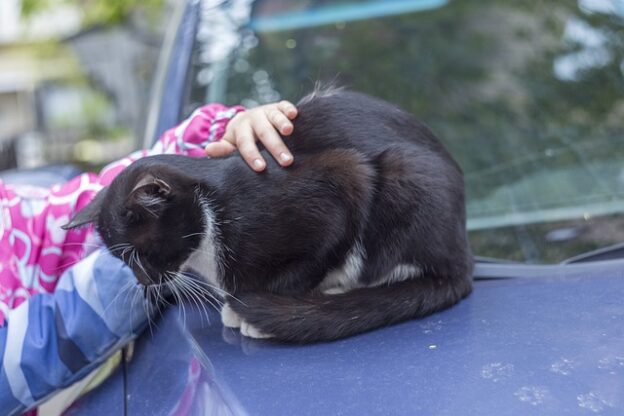
    A concerned or frustrated community member arrives at the shelter with a lost cat they found hanging around the neighborhood. Traditionally shelters have accepted that cat into their care and, when possible, put it on the path to adoption. That may well be the response the community expects. But what if that’s not actually in the best interest of the cat, lost or not?

    On a recent episode of the Humane Network’s Shelter Success Simplified podcast, KSMP director Dr. Kate Hurley explains why returning a cat to home often means returning a cat to its community.

    • Cats are 10 to 50 times more likely to be reunited with their families if they are in the area of their original home rather than at a shelter.

    • Many times some quick research reveals the cat is already being loved and cared for by someone in the community. Scan the cat for a microchip. Encourage the finder to talk with neighbors, post about the cat on Nextdoor or look for lost-pet posts on Facebook.

    • Recognize that cats are disproportionately brought to the shelter from underserved communities. Look for opportunities to build community trust and provide pet caregivers with support and resources, such as pet food, vaccinations or spay/neuter.

    For more tips on adapting your shelter’s approach to healthy, free-roaming cats, listen to the full conversation below and explore the library of other Shelter Success Simplified episodes at Humane Network.