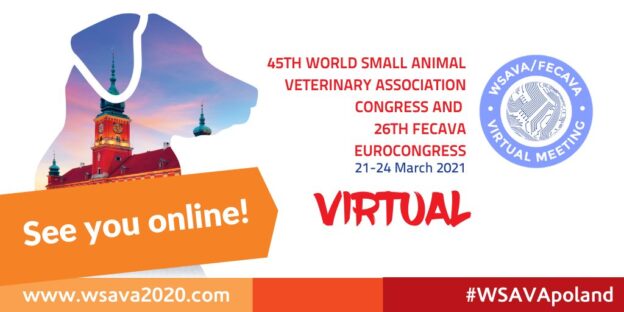
A joint congress of the World Small Animal Veterinary Association (WSAVA) and the Federation of European Companion Animal Veterinary Associations (FECAVA), hosted by the Polish Small Animal Veterinary Association will take place as a virtual event. The preliminary program includes topics such as market transformation, standards in general practice, educational considerations such as current tendencies & needs, and proposals for specialization and CPD in the region. We are excited to be hosting the most important small animal medicine event in this new promising format enabling you to join entirely online. The 45th WSAVA Congress & the 26th FECAVA EuroCongress will take place from 21 – 24 March 2021 virtually. The WSAVA Congress is the one truly international Congress in the field of Veterinary Medicine. Join a global community of vets, nurses and technicians at an event like no other.
Blog
-
Online Conference – 3/5/21 to 3/7/21 – North American Veterinary Anesthesia Society Virtual Spring Symposium – NAVAS
This is a worldwide virtual conference on clinical veterinary anesthesia practice featuring an outstanding lineup of speakers and topics on veterinary anesthesia continuing education that will be of interest to practitioners, technicians, students, researchers and medical professionals with an interest in advancing veterinary anesthesia and analgesia.
Friday, March 5th – AVA Abstracts Presentations
A Track: Each presentations followed by 3 minute Q&A via chat
Block 1: Small Animals
Moderator: Liz LeeceDetermining an optimum propofol infusion rate for induction of anaesthesia in healthy dogs: A randomised clinical trial
Walters, Lehnus, Liu, BigbyEffect of anaesthetic maintenance with propofol or isoflurane on ease of endoscopic duodenal intubation in dogs – preliminary results
Tonge, Bautista Diaz-Delgado, Hughes, Maddox, AldersonEffects of ketamine or dexmedetomidine continuous rate infusions on propofol total intravenous anaesthesia requirements in healthy dogs undergoing orthopaedic procedures receiving epidural anaesthesia: a randomized clinical trial
Bustamante, Canfrán, Gómez de Segura, AguadoAttitudes of Spanish-speaking veterinary anaesthesiologists towards the use of total intravenous anaesthesia (TIVA) in dogs: a survey study
Bustamante, Canfrán, Gómez de Segura, Ortiz-Díez, AguadoBlock 2: Small Animals
Moderator: Liz LeeceDevelopment of the Canine Post-Amputation Pain (CAMPPAIN) Scale
Boesch, Roinestad, Lopez, Newman, Campoy, Gleed, HayesCOVID-19: Its impact on pain management in rehabilitation dogs
Munoz, Duncan, ManfrediPrescribing practices and opinions of Spanish spoken veterinary-practitioners in the treatment of chronic musculoskeletal pain in dogs
Benito, Gomez de Segura, Leriquiuer, Lascelles, FreireThe effect of anesthetic induction with propofol, alfaxalone or ketamine on intraocular pressure in cats
Shilo-Benjamini, Peer, Abu Ahmad, OfriBlock 3: Equine
Moderator: Paul McFarlaneElectrical Impedance Tomography (EIT) to estimate tidal volume in anaesthetized horses undergoing elective surgery
Crivellari, Raisis, Hosgood, Waldmann, Murphy, MosingNasal and tracheobronchial nitric oxide production and its influence on oxygenation in horses undergoing total intravenous anaesthesia
Neudeck, Wilkens, KästnerEffects of inspired oxygen fraction on intra-pulmonary shunt fraction, as measured by F-shunt and alveolar-arterial oxygen gradient, in anesthetized mechanically ventilated Shetland ponies
Calero Rodriguez, van Loon, de GrauwBlock 4: Equine-Kangaroo
Moderator: Paul McFarlaneRetrospective investigation of recovery quality following medetomidine vs. xylazine balanced isoflurane anaesthesia in horses
Kälin, Henze, Ringer, Torgerson, Bettschart-WolfensbergerButorphanol, azaperone, and medetomidine (BAM™) immobilization in feral horses (Equus ferus caballus) undergoing field castration
Balko, Fogle, Stuska, Fogle, PosnerImmobilization of captive red kangaroo (Macropus rufus) with medetomidine-ketamine-midazolam or medetomidine-ketamine-butorphanol
Shilo-Benjamini, Makrin-Dray, Kafri, LapidB Track: Each presentation followed by 3 minute Q&A via chat
Block 1: Local
Moderator: Ioannis SavvasTransversus abdominis plane injection: anatomical study and pilot description of an ultrasound-guided combined caudal retrocostal and lateral approach in pig cadavers
Calice, Kau, Knecht, Otero, Larenza MenziesUltrasound-guided rectus sheath injection in pig cadavers – a pilot study
Calice, Kau, Trujanovic, Knecht, AuerLandmark-guided thoracolumbar retrolaminar block in canine cadavers: an anatomical and radiological study of injectate distribution
Pentsou, Vagias, Davies, Hoey, HuuskonenEvaluation of conus medullaris and dural sac termination in adult sheep
Gutiérrez Bautista, Redondo García, García Roselló, Esteve Bernet, Viscasillas Monteagudo, Hernández Magallana, Martínez Albiñana, García VitoriaBlock 2: Local
Moderator: Ioannis SavvasSub-Tenon’s anaesthesia in canine eyes: CT analysis of contrast distribution in cadavers
Gaztelu, Fortuny, Forteza, ApreaSuccess rate and perioperative complications of lumbo-sacral extradural anaesthesia in dogs undergoing total hip replacement: a double centre retrospective study
Viilmann, Kloeppel, Wringe, VettoratoEffects of Caudal Maxillary Nerve Block or Topical Intra-nasal Lidocaine on Responsiveness and Recovery in Rhinoscopy in Dogs
WoodhouseComparison of blind versus ultrasound-guided intercostal nerve block: a canine cadaveric study
Thomson, Portela, Romano, OteroBlock 3: Farm Animals
Moderator: Sabine KästnerComparison of the effects of two alveolar recruitment manoeuvres (sustained inflation and stepwise) followed by positive end-expiratory pressure on arterial oxygen tension and lithium dilution cardiac output in isoflurane-anaesthetised goats
Gómez Fernández, Potter, Brama, Hughes, Niimura del BarrioThe relationship between food deprivation and blood glucose at induction of anaesthesia in juvenile pigs
Gregson, Greenhalgh, CluttonComparison of time until hemoglobin desaturation between preoxygenated and non-preoxygenated hens (Gallus gallus domesticus) following isoflurane mask induction of anesthesia and rocuronium-induced apnea
Legg-St.Pierre, Desprez, Chang, Machin, AmbrosBlock 4: Other
Moderator: Sabine KästnerReporting of randomization, blinding, data exclusion and sample size estimation in papers published over a 10-year period in Veterinary Anaesthesia and Analgesia
Munro, Bergen, PangAccuracy of drug dispensing by veterinary anaesthetists
CambruzziPedi-lite flow sensor vs. calibration syringe
Raillard, Levionnois, Auckburally, Borland, Garcia de Carellan Mateo, Macfarlane, Merlin, Steblaj, MosingSaturday, March 6th – Advanced Approaches to Anesthesia and Analgesia of the Companion Animal Patient
All times Pacific
-
7:00a – 10:00a – Dr. Bill Muir – Cardiovascular Function and Anesthesia
-
10:10a – 11:40a – Dr. Duncan Lascelles – Anti-Nerve Growth Factor strategies: A New Era in Pain Management
-
11:50a – 1:20p – Heidi Reuss-Lamky, AVTAA – Incorporating Fear-free Principles and Techniques into Companion Animal Anesthetic Practice
Sunday, March 7th – Anesthesia and Analgesia for Companion Animal Veterinarians and Veterinary Technicians
All times Pacific
-
7:00a – 8:00a – Jennifer Sager, VTS Anesthesia – The Basics of Anesthetic Monitoring in the Companion Animal
-
8:10a – 9:10a – Dr. Heidi Shafford – Advanced Anesthetic Monitoring for the Compromised Companion Animal Patient
-
9:20a – 10:20a – Dr. Heidi Shafford, Jennifer Sager, Andrew Schultz – Roundtable Discussion – The Future of Monitoring: Guidelines for Monitoring in Companion Animal Practice
-
10:30a – 11:30a – Dr. Yael Shilo-Benjamini, DVM, DACVAA – Open Your Eyes: Advances in Local and Regional Anesthesia for Ocular Procedures
-
11:40a – 12:40p – Dr. Molly Allen – Practical Loco-Regional Anesthesia
-
12:50p – 1:50p – Dr. Katie Bennett – Pain Management in the Peri-operative Period
-
2:00p – 3:00p – Drs. Yael Shilo-Benjamini, Molly Allen, Katie Bennett – Roundtable Discussion – Options for Optimizing Comfort in Companion Animal Patients: Overcoming the Barriers to Change
A note about CE credits:
While the registration to the symposium is free, the CE credits are only available to paid members of NAVAS. Please consider becoming a member to receive CE credits and support anesthesia and analgesia education.
WEBSITE LINK: https://www.mynavas.org/2021-spring-symposium
-
-

Webinar – 2/25/21 – Introduction to RAT (Relationship Assessment Tool) – Suzanne Clothier (fee applies)
Take one person, add one dog, and you get a third entity: the relationship between the person and the dog. Successful and humane training needs to include the relationship as the dynamic ground on which skills, behavior changes and improvements can take root. Join live or watch the recording at your convenience for an introduction to RAT™: Relationship Assessment Tool. Developed by Suzanne Clothier, RAT™ provides a new perspective on understanding of the dog/human relationship.
RAT™ can be used to:
- Assess what is contributing to behavior, training and/or performance challenges
- Identifying the strengths & weaknesses of the relationship
- Assess suitability for a purpose, such as therapy dog team, AAI/AAT
- Assess for best match adoptions or placements o Identify handler skills (ideal for training staff & volunteers)
- Track changes and improvements over time
In each relationship, the handler brings his/her habits, personalities, needs and style to interact with the dog, who also brings his/her own personality, patterns of response, needs and style. With an emphasis on patterns of behaviors found on both ends of the leash, RAT is a powerful tool for assessing the dynamics of the dog/human relationship.
For those who work with training issues and behavior problems, RAT™ clearly identifies the strengths and weaknesses of any dog/handler team. Practical and effective, RAT™leads to Training Triage & Plan for a customized approach that addresses & supports the specific needs of that dog/handler relationship.
PLEASE NOTE: – All webinars will be recorded and a link will be sent to you 48 hours after the completion of the webinar for you to access the recording. – If you need CEUs for IAABC or PPAB, instructions on how to get them will be given during the webinar. – If this is your first time using GoToWebinar, they offer a test webinar so you can trouble shoot ahead of time. You can find some tips and tricks at the link below provided by GoToWebinar: https://support.goto.com/webinar?c_prod=g2w&c_name=plogin
WEBSITE LINK: https://register.gotowebinar.com/register/8935800680495108365
-
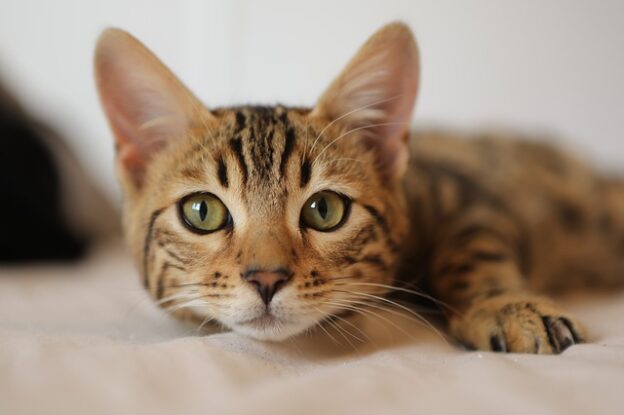
Online Course – 5/20/21 – Feline Behavior Pre-Conference Workshop – Shelter Playgroup Alliance (fee applies)
Learn about feline behavior! Join us a day before the SPA 2021 Shelter Behavior and Enrichment Conference for a special option on Thursday, May 20, 2021.
Immerse yourself in feline behavior during a full day deep dive with Mikel Delgado, PhD. Mikel is a cat behavior consultant and co-founder of Feline Minds. Mikel’s deep knowledge and expertise in feline behavior will include the following topics:
-
Reducing stress for shelter cats
-
Problem behaviors
-
Litter box blues
-
Multi cat households
-
Case studies
-
Not to be missed!
Cost: $50.00
Approved CEUs: CCPDT CEUs TBA | IAABC CEUs TBA
WEBSITE LINK: https://www.shelterdogplay.org/2021-sbec-pre-conference-workshop
-
-
Online Conference – 5/21/21 to 5/23/21 – 2021 Shelter Behavior and Enrichment Conference – Shelter Playgroup Alliance (fee applies)
Learn about shelter animal welfare, enrichment, and playgroups at our annual Shelter Behavior and Enrichment Conference on May 21, 22 & 23, 2021 with a Pre-Conference workshop on May 20th
Location: Virtual
Times: 9am – 5pm Pacific each day
Register now: https://www.shelterdogplay.org/register
Who should attend? Shelter staff, shelter volunteers, and shelter leadership. Animal daycare staff, dog walkers, and animal trainers would also benefit from the topics presented.
What will be presented? Leaders in behavioral science, animal welfare, enrichment, and inter-animal interactions will present research and strategies for enhancing animal welfare and animal interactions, including play.
Speakers:
· Ken Ramirez, Executive Vice-President and Chief Training Officer of Karen Pryor Clicker Training
· Erika Feuerbacher, PhD, BCBA-D, CAAB, CPDT-KA
· Kelley Bollen, MS, CABC
· Mara Velez, MA, CPDT-KA
Pre-Conference workshop on Thursday, May 20, 2021. Learn about feline behavior!
Join us a day before the SPA 2021 Shelter Behavior and Enrichment Conference for a special option on Thursday, May 20, 2021.Immerse yourself in feline behavior during a full day deep dive with Mikel Delgado, PhD. Mikel is a cat behavior consultant and co-founder of Feline Minds. Mikel’s deep knowledge and expertise in feline behavior will include the following topics:
o Reducing stress for shelter cats
o Problem behaviors
o Litter box blues
o Multi cat households
o Case studies
o Play behavior in cats
Cost: $150 for 3-day conference ticket; $50 for pre-conference workshop
Save $25 by registering for all four days!
WEBSITE LINK: https://www.shelterdogplay.org/register
-
Online Event – 2/22/21 – All Black Lives: The Intersection Between Being Black and LGBTQ+ – BlackDVM Network
During this panel discussion we will explore the intersectionality between identifying as Black and as part of the LGBTQ+ community. Our panelists will share their perspectives on experiences that have shaped their views and how we can support them as their entire selves.
Join Us on Zoom: https://us02web.zoom.us/meeting/register/tZEsce6uqD4uGtIq2AYJURRhsKk6HjMKsgCD
About our panelists:
Marquis Harper is a 1st-year veterinary student at Virginia-Maryland College of Veterinary medicine from Henderson, NC. He found his passion for animal wellbeing while volunteering at his local animal shelter, which eventually led him to working at the local animal hospital while in high school. After high school, he studied at the illustrious North Carolina Agricultural and Technical State University, where he acquired both his Bachelor’s and Master’s degrees in Animal Science. After vet school, his goal is to become a Large Animal Veterinarian and eventually settling down back in his hometown to open up a low-cost veterinary clinic.
Dr. Dane Whitaker has been practicing veterinary medicine in the San Francisco area for over 25 years. He completed his Masters in Preventive Veterinary Medicine at UC Davis in 2017 and is currently providing small animal clinical relief services across central California. He is also a relief veterinarian at the Marine Mammal Center in Sausalito CA, and in non-pandemic times he has provided clinical as well as field support for marine mammal research projects. Although a Bay Area native, he grew up in Florida and graduated from the University of Florida College of Veterinary Medicine in 1994. After graduation, he completed a small animal medicine and surgery internship at the Santa Cruz Veterinary Hospital. His veterinary interests include small animal medicine, clinical pathology, marine mammal medicine and One Health. Dr. Whitaker is the president of the Pride Veterinary Medical Community and takes an active role in promoting the ideas of inclusion and acceptance for all members of the community in the veterinary profession.
Kenneth Burris is a 3rd year veterinary medical student at The Ohio State University College of Veterinary Medicine. Born in the District of Columbia and raised in Silver Spring, Maryland. He earned his Bachelor’s degree from Tufts University in Biomedical Engineering and Sociology (w/ a Minor in Africana Studies) and earned a Master of Medical Science degree from Hampton University (HBCU). Kenneth completed a Graduate Business Minor in Health Sciences at The OSU Fisher College of Business and is currently on student government at The OSU College of Veterinary Medicine as a Class of 2022 Diversity Committee Representative.
My name is Donja Pettiford. I received my BS in Animal Science and MS in Food Science from NCA&TSU.I am currently working full-time with the USDA-FSIS in NC as a technical trainer. As a technical trainer I train new and established employees on food safety in the meat and poultry division.
WEBSITE LINK: https://www.blackdvmnetwork.com/event-details/all-black-lives-the-intersection-between-being-black-and-lgbtq
-
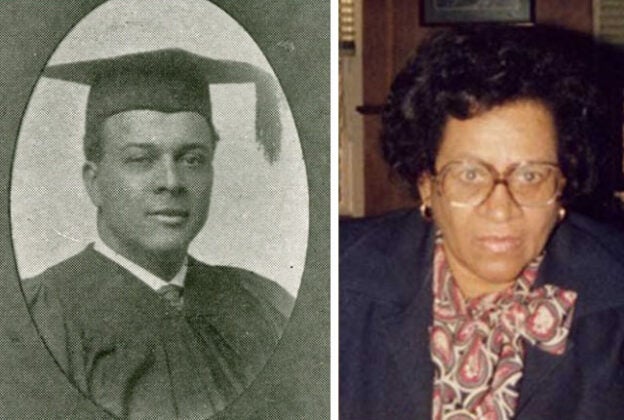
Online Event – 2/24/21 – The First, but Not the Last: Honoring Black Veterinarians – BlackDVM Network and MCVMA
In this collaboration with the MCVMA, we pay homage to the first Black graduates from each of the accredited veterinary schools.
WEBSITE LINK: https://www.blackdvmnetwork.com/event-details/the-first-but-not-the-last-honoring-black-veterinarians
-
Webinar – 3/11/21 – Preventing and Treating Parvo – Missouri Coalition of Animal Care Organizations
Parvo is a dreaded illness and can be fatal for puppies, heartbreaking for staff and volunteers, and costly for your organization. How do you prevent it on transports, in the shelter, and foster environment? When a puppy does break, where can you isolate positive and exposed cases? What supportive care can staff or fosters provide? Ask a shelter veterinarian any other burning questions you have.
WEBSITE LINK: https://fb.me/e/5OCn5jmfq
-
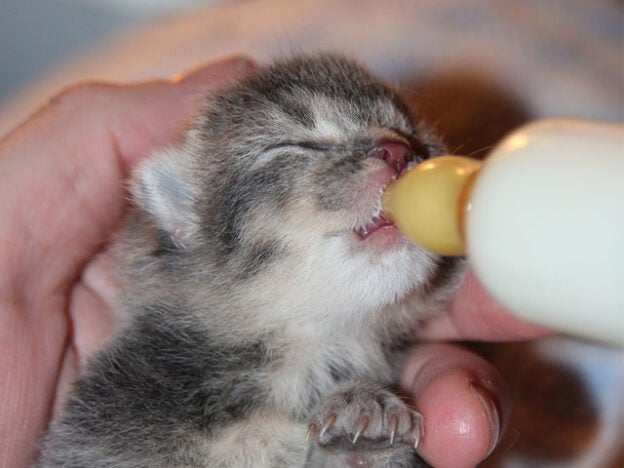
Webinar – 3/8/21 – Kitten Bottle-Feeding 101 – The National Kitten Coalition
How much do I feed a kitten? How often? How much? How do I mix the formula? There are so many things to learn when it comes to feeding a tiny kitten. In this free webinar we will teach you the basics on how to safely bottle-feed a neonatal kitten and help it grow!
This kitten life-saving project was made possible in part through a generous Grant from The American Society for the Prevention of Cruelty to Animals®.
WEBSITE LINK: https://register.gotowebinar.com/register/6890104321376439307?source=3.8.21+UCDavis
-

Online Course – Registration open until 4/1/21 or until full – 3/25/21 to 4/30/21 – Point of Care Ultrasound Techniques for the General Practitioner – VIN/VSPN (fee applies)
This course will cover the key concepts regarding point of care ultrasound (POCUS). POCUS techniques are rapid, easy-to-learn and practical ultrasound skills that ANY practitioner can apply in everyday practice. This co-lecture series by a criticalist and an internist will cover the core principles to understand and interpret sonographic findings of abdominal POCUS including the identification of free fluid, urine production, GI motility, free abdominal air and the gall bladder halo sign. The core principles to understand and interpret sonographic findings of the pleural space and lung. The principles of cardiac anatomy with an emphasis on the key cardiac windows to assess (there are 3 that answer most clinically relevant questions), being able to confidently identify pericardial effusion, cardiac volume status, pulmonary hypertension, and how to differentiate these conditions from common cardiomyopathies will be presented. All clinically relevant questions when asked at the right time, in a binary fashion, based on patient assessment! Covering all things that can be used by general practitioners in everyday practice. If you own an ultrasound machine, there is no excuse to not apply these principles on a daily basis!
Presenter: Soren Boysen DVM, DACVECC
Serge Chalhoub BSc, DVM, DACVIM (SAIM)
Course Open: March 25-April 30, 2021
Real Time Sessions (RTS): Thursdays, April 1, 8, 15, and 22, 2021; 8:00-10:00 pm ET (USA) World Clock Converter
Total CE Credit: 7
RACE Category: 7 hours MedicalLearning Objectives:
Upon completion of the course, the participant should be able to- describe the origins and evolution POCUS.
- describe the key formats that currently comprise POCUS.
- describe when and where POCUS is used in the clinical setting: understanding the 5 T’s of POCUS.
- discuss patient positioning for POCUS and how POCUS differs from consultative ultrasound.
- discuss the value of using clinically relevant binary questions to learn and build POCUS skills.
- perform the abdominal point of care ultrasound.
- describe the key organs and anatomic locations required to perform abdominal point of care ultrasound.
- discuss pitfalls that may result in false negative or false positive abdominal POCUS results.
- describe the formula used to calculate urinary bladder volumes.
- describe the 3 key findings used to diagnose free abdominal air (pneumoperitoneum).
- describe the technique used to sonographically identify post-operative ileus.
- explain the advantages of using both long and short axis window vs. just one window when performing abdominal POCUS.
- describe how the renal pelvis can be assessed to help rule in or rule out ureteral obstruction in patient that presents with azotemia and signs of uremia.
- describe the key anatomic structures that are essential to performing pleural space and lung ultrasound.
- identify the pleural line and determine the presence or absence of a lung sliding (aka the glide sign).
- explain the normal findings of the bat sign, gator sign, A lines, B lines, lung pulse and curtain sign.
- discuss the advantages of using a binary approach to identifying pathology with point of care ultrasound.
- explain the limitations of pleural space and lung point of care ultrasound.
- explain why ultrasound protocols should be modified based on patient positioning and the pathology suspected.
- explain recent modifications to point of care pleural space ultrasound techniques designed to maximize diagnostic accuracy of pneumothorax.
- describe newer approaches to pleural space ultrasound designed to maximize diagnostic sensitivity for pleural effusion.
- explain the advantage of turning the probe parallel to the ribs vs. keeping it perpendicular to the ribs.
- explain the sail sign and ski slope sign in relation to positive and negative findings of pleural effusion.
- describe how to find lung borders to maximize the chances of finding pleural space pathology based on patient positioning.
- explain the difference and be able to identify wet lung vs dry lung using ultrasound.
- describe the pathophysiology of why lung consolidation can be seen with POCUS.
- describe how pleural irregularities can help differentiate causes of wet lung.
- explain how to differentiate partial lung consolidation from trans-lobar consolidation.
- describe the most common types of consolidation and how to differentiate them: shred, trans-lobar hepatization, nodule and thromboembolism.
- explain how the sonographic characteristics of lung consolidation can be interpreted to help differentiate simple atelectasis from pathologic consolidation (static vs. dynamic air bronchograms and fluid bronchograms).
- describe the 3 key cardiac windows when performing cardiac POCUS.
- describe how the left atrial aortic ratio is used in point of care ultrasound.
- describe echocardiographic variables that are used to assess hyper and hypovolemia.
- describe windows used to identify pericardial effusion.
- explain how the pericardial-diaphragmatic window can be used to help differentiate pericardial from pleural effusion.
- explain how left sided and right sided heart conditions, including pulmonary hypertension can be subjectively assessed with cardiac POCUS.
- describe where to assess fluid responsiveness using POCUS.
- explain how the caudal vena cava is used to estimate intravascular volume status.
- describe the difference between in plane and out of plane ultrasound guided vascular access.
- tie together cardiac POCUS, lung ultrasound, and vascular POCUS to estimate and differentiate hypovolemia from volume overload.
Level and Prerequisites: This basic VIN CE course is open for enrollment to veterinarians actively interested in veterinary Point of Care ultrasound.
RACE Accreditation: This course is approved for 7 hours of continuing education credit by RACE for veterinarians. (RACE 20-810782)Course Agenda:
Week 1 (Real Time Session April 1, 2021): Ultrasound definitions, evolution, and the binary approach to learning!
Please note this session is only 1 hour long: 8:00-9:00 pm ET. All other sessions will be 2 hours long: 8:00-10:00 pm ET. This first session will cover POCUS techniques including common definitions and evolution of the field, how POCUS differs from consultative ultrasound exams, the key formats currently used, when and where POCUS should be applied, patient positioning, coupling agents, and the value of using clinically relevant binary questions.Week 2 (Real Time Session April 8, 2021): Abdominal Ultrasound
Ever wonder if the cat that ate lilies is producing urine when it’s not possible to pass a urinary catheter? Ever wonder if the dog with an acute abdomen has free abdominal air in the abdomen, or if the post-operative patient that is not eating has ileus? Using a binary approach to ask the right question at the right time makes learning and applying abdominal point of care ultrasound easy!Week 3 (Real Time Session April 15, 2021): Pleural Space and Lung Ultrasound
Ever struggle with determining the cause of dyspnea in a cat that is too unstable to take radiographs or draw blood for ProBNP levels (cardiac, respiratory, pleural effusion)? Ever debate if you should discontinue IV fluids in the patient with mild tachypnea? Have you ever felt frustration at not finding a cause for patients presenting for “ain’t doing right” with no specific clinical signs? Veterinary point of care ultrasound (POCUS) can help you manage these patients! Following a binary approach, the key principles of the bat sign, gator sign, glide sign, A lines, B lines, lung pulse, and curtain sign, dry lung and wet lung will all be covered.Recent veterinary studies have demonstrated the agreement between some veterinary thoracic and lung ultrasound protocols and CT scans are less than ideal when it comes to diagnosing pleural effusion and pneumothorax, and to some extent, lung pathology. This should not be the case! This session will focus on a practical approach to point of care ultrasound that considers clinical findings and challenges current protocols by asking the question; “where will pathology accumulate” and subsequently, “what should we be sonographically looking for to answer binary, relevant, rapid, clinical, and often lifesaving questions”. Don’t simply put the probe on the patient or expect a “one protocol fits all” approach to be applicable to all situations; ask the right question and know how to modify protocols to increase the chance of success with pleural space and lung pathology!
Lung ultrasound has significantly evolved over the past two decades and knowing how the identification of artifact at the surface of aerated lung can progress to consolidated lung when the ratio of aerated to non-aerated lung falls below 5-10% is key to identifying lung pathology beyond simple wet lung. Lung consolidation is not difficult to identify and knowing how consolidations differ with regards to their borders and the characteristics seen within lung consolidations, along with history and other clinical findings allows the differential diagnosis to be narrowed.
Week 4 (Real Time Session April 22, 2021): Cardiac and Vascular Ultrasound
Ever struggle with deciding if the dyspneic cat or dog should receive furosemide for possible congestive heart failure or wonder if maybe steroid administration for feline asthma would be more appropriate? What about differentiating pericardial effusion from dilated cardiomyopathy on thoracic radiographs, or trying to decide if that fluid seen on ultrasound is pleural or pericardial? What about differentiating pseudohypertrophy and hypovolemia from hypertrophic cardiomyopathy in the cat? This session will build on each prior lecture and continue the binary approach to answering clinically relevant and appropriate questions to ask. The best part of POCUS is that you do not have to be a cardiologist or radiologist to perform these techniques!A patient presents collapsed, it has poor pulses and a prolonged capillary refill time – it is in cardiovascular shock! (The internist runs away). Should an IV fluid bolus be given, and if so, how much and how will the patient likely respond to IV fluid therapy (The criticalist is super excited)? Where and how can you look at the vascular system to estimate intravenous volume status and fluid responsiveness? What is a flat vs. fat vena cava tell you? One last question: have you ever struggled to place an IV catheter in a patient that is dehydrated, has hematomas, thick skin or edema? You guessed it, ultrasound can help, and we will show you how!
Successful completion (scoring 80% or better) on the end-of-course test is required to earn a certificate of completion for the course. To learn more about the requirements for earning a CE certificate, please refer to Receiving Your CE Credit and Course Completion Certificate.
Course Materials: Course materials will be available in the course library prior to each Real Time Session.
Required Textbook(s): There is no required textbook for this course.Tuition: Member $161 ($145 early bird special if enrolled by March 11, 2021)
Non-Member $263 ($237 early bird special if enrolled by March 11, 2021)
Prices are listed in US dollars.*To ensure participants are ready and prepared for classes, enrollment will close on April 1, 2021 at 5 pm ET (USA) or when the maximum number of participants is reached.
*For more information on how online CE works, see the Participant Resource Center.
- Enrollment qualifications: VIN CE courses are open to VIN member and non-member veterinarians. Veterinarians enrolling in a VSPN CE course must be a VIN member. Veterinary support staff must be a VSPN member to enroll in a VSPN CE or a VIN CE course open to VSPN member enrollment.
- Each enrollee must be able to receive emails from @vspn.org and @vin.com addresses. Email is our major form of communication with participants; personal emails are highly recommended rather than clinic/hospital email addresses.
- For further assistance call 800-846-0028 ext. 797 or email CEonVIN. Please include the course title, your full name, and contact information in your correspondence.
Course withdrawal and refund policy: A complete refund of the paid course price will be issued when your withdrawal request is received prior to the listed start date of the course. If you wish to withdraw after the start date please contact the VIN office 800-846-0028 ext. 797 to discuss eligibility for a pro-rated refund.
*For more information on VIN’s upcoming CE courses, check the VIN Course Catalog.
Katherine James, DVM, PhD, DACVIM (SAIM)
VIN Education DirectorVIN CE Services: CEonVIN
800-846-0028 or 530-756-4881; ext. 797
or direct line to VIN/VSPN from the United Kingdom: 01 45 222 6154
or direct line to VIN/VSPN from Australia: 02 6145 2357WEBSITE LINK: https://www.vin.com/ce/DIAG409-0321.htm