Shelter Learniverse and Industry-Wide Calendar

Blog

  • Online Conference – 5/21/21 to 5/23/21 – 2021 Shelter Behavior and Enrichment Conference – Shelter Playgroup Alliance (fee applies)

    Online Conference – 5/21/21 to 5/23/21 – 2021 Shelter Behavior and Enrichment Conference – Shelter Playgroup Alliance (fee applies)

    Learn about shelter animal welfare, enrichment, and playgroups at our annual Shelter Behavior and Enrichment Conference on May 21, 22 & 23, 2021 with a Pre-Conference workshop on May 20th

    Location: Virtual

    Times: 9am – 5pm Pacific each day

    Register now: https://www.shelterdogplay.org/register

    Who should attend? Shelter staff, shelter volunteers, and shelter leadership. Animal daycare staff, dog walkers, and animal trainers would also benefit from the topics presented.

    What will be presented? Leaders in behavioral science, animal welfare, enrichment, and inter-animal interactions will present research and strategies for enhancing animal welfare and animal  interactions, including play.

    Speakers:

    ·       Ken Ramirez, Executive Vice-President and Chief Training Officer of Karen Pryor Clicker Training

    ·       Erika Feuerbacher, PhD, BCBA-D, CAAB, CPDT-KA

    ·       Kelley Bollen, MS, CABC

    ·       Mara Velez, MA, CPDT-KA

     Pre-Conference workshop on Thursday, May 20, 2021. Learn about feline behavior!

    ​Join us a day before the SPA 2021 Shelter Behavior and Enrichment Conference for a special option on Thursday, May 20, 2021.Immerse yourself in feline behavior during a full day deep dive with Mikel Delgado, PhD.  Mikel is a cat behavior consultant and co-founder of Feline Minds. Mikel’s deep knowledge and expertise in feline behavior will include the following topics:

    o   Reducing stress for shelter cats

    o   Problem behaviors

    o   Litter box blues

    o   Multi cat households

    o   Case studies

    o   Play behavior in cats

    Cost: $150 for 3-day conference ticket; $50 for pre-conference workshop

    Save $25 by registering for all four days!

    WEBSITE LINK:  https://www.shelterdogplay.org/register

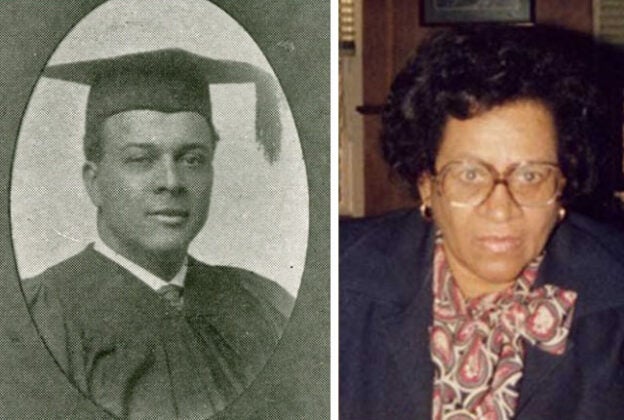
  • Online Event – 2/22/21 – All Black Lives: The Intersection Between Being Black and LGBTQ+ – BlackDVM Network

    Online Event – 2/22/21 – All Black Lives: The Intersection Between Being Black and LGBTQ+ – BlackDVM Network

    During this panel discussion we will explore the intersectionality between identifying as Black and as part of the LGBTQ+ community. Our panelists will share their perspectives on experiences that have shaped their views and how we can support them as their entire selves.

    Join Us on Zoom: https://us02web.zoom.us/meeting/register/tZEsce6uqD4uGtIq2AYJURRhsKk6HjMKsgCD

    About our panelists:

    Marquis Harper is a 1st-year veterinary student at Virginia-Maryland College of Veterinary medicine from Henderson, NC. He found his passion for animal wellbeing while volunteering at his local animal shelter, which eventually led him to working at the local animal hospital while in high school. After high school, he studied at the illustrious North Carolina Agricultural and Technical State University, where he acquired both his Bachelor’s and Master’s degrees in Animal Science. After vet school, his goal is to become a Large Animal Veterinarian and eventually settling down back in his hometown to open up a low-cost veterinary clinic.

    Dr. Dane Whitaker has been practicing veterinary medicine in the San Francisco area for over 25 years. He completed his Masters in Preventive Veterinary Medicine at UC Davis in 2017 and is currently providing small animal clinical relief services across central California. He is also a relief veterinarian at the Marine Mammal Center in Sausalito CA, and in non-pandemic times he has provided clinical as well as field support for marine mammal research projects. Although a Bay Area native, he grew up in Florida and graduated from the University of Florida College of Veterinary Medicine in 1994. After graduation, he completed a small animal medicine and surgery internship at the Santa Cruz Veterinary Hospital. His veterinary interests include small animal medicine, clinical pathology, marine mammal medicine and One Health. Dr. Whitaker is the president of the Pride Veterinary Medical Community and takes an active role in promoting the ideas of inclusion and acceptance for all members of the community in the veterinary profession.

    Kenneth Burris is a 3rd year veterinary medical student at The Ohio State University College of Veterinary Medicine. Born in the District of Columbia and raised in Silver Spring, Maryland. He earned his Bachelor’s degree from Tufts University in Biomedical Engineering and Sociology (w/ a Minor in Africana Studies) and earned a Master of Medical Science degree from Hampton University (HBCU). Kenneth completed a Graduate Business Minor in Health Sciences at The OSU Fisher College of Business and is currently on student government at The OSU College of Veterinary Medicine as a Class of 2022 Diversity Committee Representative.

    My name is Donja Pettiford. I received my BS in Animal Science and MS in Food Science from NCA&TSU.I am currently working full-time with the USDA-FSIS in NC as a technical trainer.  As a technical trainer I train new and established employees on food safety in the meat and poultry division.

    WEBSITE LINK:  https://www.blackdvmnetwork.com/event-details/all-black-lives-the-intersection-between-being-black-and-lgbtq

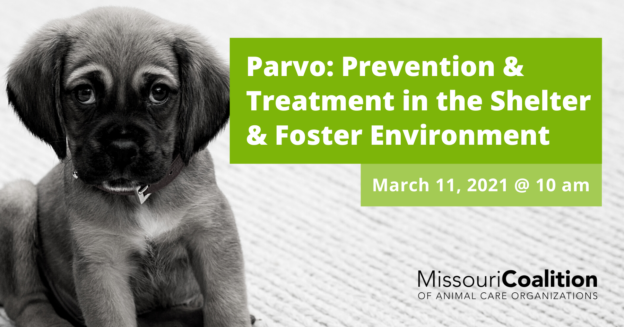
  • Webinar – 3/11/21 – Preventing and Treating Parvo – Missouri Coalition of Animal Care Organizations

    Webinar – 3/11/21 – Preventing and Treating Parvo – Missouri Coalition of Animal Care Organizations

    Parvo is a dreaded illness and can be fatal for puppies, heartbreaking for staff and volunteers, and costly for your organization. How do you prevent it on transports, in the shelter, and foster environment? When a puppy does break, where can you isolate positive and exposed cases? What supportive care can staff or fosters provide? Ask a shelter veterinarian any other burning questions you have.

    WEBSITE LINK:  https://fb.me/e/5OCn5jmfq

  • Webinar – 3/8/21 – Kitten Bottle-Feeding 101 – The National Kitten Coalition

    Webinar – 3/8/21 – Kitten Bottle-Feeding 101 – The National Kitten Coalition

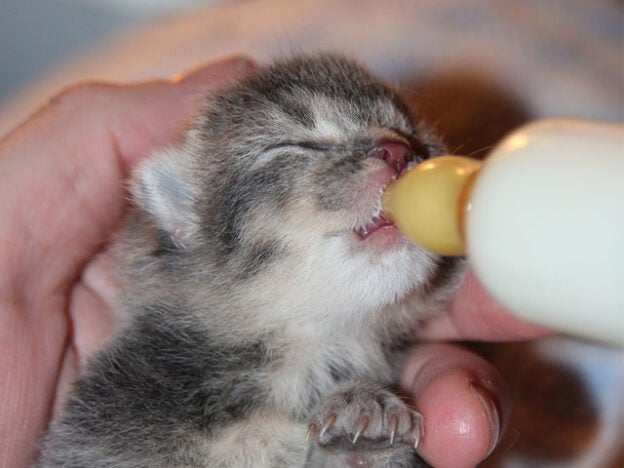
    How much do I feed a kitten? How often? How much? How do I mix the formula? There are so many things to learn when it comes to feeding a tiny kitten. In this free webinar we will teach you the basics on how to safely bottle-feed a neonatal kitten and help it grow!

    This kitten life-saving project was made possible in part through a generous Grant from The American Society for the Prevention of Cruelty to Animals®.

    WEBSITE LINK:  https://register.gotowebinar.com/register/6890104321376439307?source=3.8.21+UCDavis

  • Online Course – Registration open until 4/1/21 or until full – 3/25/21 to 4/30/21 – Point of Care Ultrasound Techniques for the General Practitioner – VIN/VSPN (fee applies)

    Online Course – Registration open until 4/1/21 or until full – 3/25/21 to 4/30/21 – Point of Care Ultrasound Techniques for the General Practitioner – VIN/VSPN (fee applies)

    This course will cover the key concepts regarding point of care ultrasound (POCUS). POCUS techniques are rapid, easy-to-learn and practical ultrasound skills that ANY practitioner can apply in everyday practice. This co-lecture series by a criticalist and an internist will cover the core principles to understand and interpret sonographic findings of abdominal POCUS including the identification of free fluid, urine production, GI motility, free abdominal air and the gall bladder halo sign. The core principles to understand and interpret sonographic findings of the pleural space and lung. The principles of cardiac anatomy with an emphasis on the key cardiac windows to assess (there are 3 that answer most clinically relevant questions), being able to confidently identify pericardial effusion, cardiac volume status, pulmonary hypertension, and how to differentiate these conditions from common cardiomyopathies will be presented. All clinically relevant questions when asked at the right time, in a binary fashion, based on patient assessment! Covering all things that can be used by general practitioners in everyday practice. If you own an ultrasound machine, there is no excuse to not apply these principles on a daily basis!

    Presenter: Soren Boysen DVM, DACVECC
    Serge Chalhoub BSc, DVM, DACVIM (SAIM)
    Course Open: March 25-April 30, 2021
    Real Time Sessions (RTS): Thursdays, April 1, 8, 15, and 22, 2021; 8:00-10:00 pm ET (USA) World Clock Converter
    Total CE Credit: 7
    RACE Category: 7 hours Medical

    Skip to Enrollment

    Learning Objectives:
    Upon completion of the course, the participant should be able to

    • describe the origins and evolution POCUS.
    • describe the key formats that currently comprise POCUS.
    • describe when and where POCUS is used in the clinical setting: understanding the 5 T’s of POCUS.
    • discuss patient positioning for POCUS and how POCUS differs from consultative ultrasound.
    • discuss the value of using clinically relevant binary questions to learn and build POCUS skills.
    • perform the abdominal point of care ultrasound.
    • describe the key organs and anatomic locations required to perform abdominal point of care ultrasound.
    • discuss pitfalls that may result in false negative or false positive abdominal POCUS results.
    • describe the formula used to calculate urinary bladder volumes.
    • describe the 3 key findings used to diagnose free abdominal air (pneumoperitoneum).
    • describe the technique used to sonographically identify post-operative ileus.
    • explain the advantages of using both long and short axis window vs. just one window when performing abdominal POCUS.
    • describe how the renal pelvis can be assessed to help rule in or rule out ureteral obstruction in patient that presents with azotemia and signs of uremia.
    • describe the key anatomic structures that are essential to performing pleural space and lung ultrasound.
    • identify the pleural line and determine the presence or absence of a lung sliding (aka the glide sign).
    • explain the normal findings of the bat sign, gator sign, A lines, B lines, lung pulse and curtain sign.
    • discuss the advantages of using a binary approach to identifying pathology with point of care ultrasound.
    • explain the limitations of pleural space and lung point of care ultrasound.
    • explain why ultrasound protocols should be modified based on patient positioning and the pathology suspected.
    • explain recent modifications to point of care pleural space ultrasound techniques designed to maximize diagnostic accuracy of pneumothorax.
    • describe newer approaches to pleural space ultrasound designed to maximize diagnostic sensitivity for pleural effusion.
    • explain the advantage of turning the probe parallel to the ribs vs. keeping it perpendicular to the ribs.
    • explain the sail sign and ski slope sign in relation to positive and negative findings of pleural effusion.
    • describe how to find lung borders to maximize the chances of finding pleural space pathology based on patient positioning.
    • explain the difference and be able to identify wet lung vs dry lung using ultrasound.
    • describe the pathophysiology of why lung consolidation can be seen with POCUS.
    • describe how pleural irregularities can help differentiate causes of wet lung.
    • explain how to differentiate partial lung consolidation from trans-lobar consolidation.
    • describe the most common types of consolidation and how to differentiate them: shred, trans-lobar hepatization, nodule and thromboembolism.
    • explain how the sonographic characteristics of lung consolidation can be interpreted to help differentiate simple atelectasis from pathologic consolidation (static vs. dynamic air bronchograms and fluid bronchograms).
    • describe the 3 key cardiac windows when performing cardiac POCUS.
    • describe how the left atrial aortic ratio is used in point of care ultrasound.
    • describe echocardiographic variables that are used to assess hyper and hypovolemia.
    • describe windows used to identify pericardial effusion.
    • explain how the pericardial-diaphragmatic window can be used to help differentiate pericardial from pleural effusion.
    • explain how left sided and right sided heart conditions, including pulmonary hypertension can be subjectively assessed with cardiac POCUS.
    • describe where to assess fluid responsiveness using POCUS.
    • explain how the caudal vena cava is used to estimate intravascular volume status.
    • describe the difference between in plane and out of plane ultrasound guided vascular access.
    • tie together cardiac POCUS, lung ultrasound, and vascular POCUS to estimate and differentiate hypovolemia from volume overload.


    Level and Prerequisites: This basic VIN CE course is open for enrollment to veterinarians actively interested in veterinary Point of Care ultrasound.
    RACE Accreditation: This course is approved for 7 hours of continuing education credit by RACE for veterinarians. (RACE 20-810782)


    Course Agenda:

    Week 1 (Real Time Session April 1, 2021): Ultrasound definitions, evolution, and the binary approach to learning!
    Please note this session is only 1 hour long: 8:00-9:00 pm ET. All other sessions will be 2 hours long: 8:00-10:00 pm ET. This first session will cover POCUS techniques including common definitions and evolution of the field, how POCUS differs from consultative ultrasound exams, the key formats currently used, when and where POCUS should be applied, patient positioning, coupling agents, and the value of using clinically relevant binary questions.

    Week 2 (Real Time Session April 8, 2021): Abdominal Ultrasound
    Ever wonder if the cat that ate lilies is producing urine when it’s not possible to pass a urinary catheter? Ever wonder if the dog with an acute abdomen has free abdominal air in the abdomen, or if the post-operative patient that is not eating has ileus? Using a binary approach to ask the right question at the right time makes learning and applying abdominal point of care ultrasound easy!

    Week 3 (Real Time Session April 15, 2021): Pleural Space and Lung Ultrasound
    Ever struggle with determining the cause of dyspnea in a cat that is too unstable to take radiographs or draw blood for ProBNP levels (cardiac, respiratory, pleural effusion)? Ever debate if you should discontinue IV fluids in the patient with mild tachypnea? Have you ever felt frustration at not finding a cause for patients presenting for “ain’t doing right” with no specific clinical signs? Veterinary point of care ultrasound (POCUS) can help you manage these patients! Following a binary approach, the key principles of the bat sign, gator sign, glide sign, A lines, B lines, lung pulse, and curtain sign, dry lung and wet lung will all be covered.

    Recent veterinary studies have demonstrated the agreement between some veterinary thoracic and lung ultrasound protocols and CT scans are less than ideal when it comes to diagnosing pleural effusion and pneumothorax, and to some extent, lung pathology. This should not be the case! This session will focus on a practical approach to point of care ultrasound that considers clinical findings and challenges current protocols by asking the question; “where will pathology accumulate” and subsequently, “what should we be sonographically looking for to answer binary, relevant, rapid, clinical, and often lifesaving questions”. Don’t simply put the probe on the patient or expect a “one protocol fits all” approach to be applicable to all situations; ask the right question and know how to modify protocols to increase the chance of success with pleural space and lung pathology!

    Lung ultrasound has significantly evolved over the past two decades and knowing how the identification of artifact at the surface of aerated lung can progress to consolidated lung when the ratio of aerated to non-aerated lung falls below 5-10% is key to identifying lung pathology beyond simple wet lung. Lung consolidation is not difficult to identify and knowing how consolidations differ with regards to their borders and the characteristics seen within lung consolidations, along with history and other clinical findings allows the differential diagnosis to be narrowed.

    Week 4 (Real Time Session April 22, 2021): Cardiac and Vascular Ultrasound
    Ever struggle with deciding if the dyspneic cat or dog should receive furosemide for possible congestive heart failure or wonder if maybe steroid administration for feline asthma would be more appropriate? What about differentiating pericardial effusion from dilated cardiomyopathy on thoracic radiographs, or trying to decide if that fluid seen on ultrasound is pleural or pericardial? What about differentiating pseudohypertrophy and hypovolemia from hypertrophic cardiomyopathy in the cat? This session will build on each prior lecture and continue the binary approach to answering clinically relevant and appropriate questions to ask. The best part of POCUS is that you do not have to be a cardiologist or radiologist to perform these techniques!

    A patient presents collapsed, it has poor pulses and a prolonged capillary refill time – it is in cardiovascular shock! (The internist runs away). Should an IV fluid bolus be given, and if so, how much and how will the patient likely respond to IV fluid therapy (The criticalist is super excited)? Where and how can you look at the vascular system to estimate intravenous volume status and fluid responsiveness? What is a flat vs. fat vena cava tell you? One last question: have you ever struggled to place an IV catheter in a patient that is dehydrated, has hematomas, thick skin or edema? You guessed it, ultrasound can help, and we will show you how!

    Successful completion (scoring 80% or better) on the end-of-course test is required to earn a certificate of completion for the course. To learn more about the requirements for earning a CE certificate, please refer to Receiving Your CE Credit and Course Completion Certificate.

    Course Materials: Course materials will be available in the course library prior to each Real Time Session.
    Required Textbook(s): There is no required textbook for this course.


    Enroll Now

    Tuition: Member $161 ($145 early bird special if enrolled by March 11, 2021)
    Non-Member $263 ($237 early bird special if enrolled by March 11, 2021)
    Prices are listed in US dollars.

    *To ensure participants are ready and prepared for classes, enrollment will close on April 1, 2021 at 5 pm ET (USA) or when the maximum number of participants is reached.

    *For more information on how online CE works, see the Participant Resource Center.

    1. Enrollment qualifications: VIN CE courses are open to VIN member and non-member veterinarians. Veterinarians enrolling in a VSPN CE course must be a VIN member. Veterinary support staff must be a VSPN member to enroll in a VSPN CE or a VIN CE course open to VSPN member enrollment.
    2. Each enrollee must be able to receive emails from @vspn.org and @vin.com addresses. Email is our major form of communication with participants; personal emails are highly recommended rather than clinic/hospital email addresses.
    3. For further assistance call 800-846-0028 ext. 797 or email . Please include the course title, your full name, and contact information in your correspondence.

    Course withdrawal and refund policy: A complete refund of the paid course price will be issued when your withdrawal request is received prior to the listed start date of the course. If you wish to withdraw after the start date please contact the VIN office 800-846-0028 ext. 797 to discuss eligibility for a pro-rated refund.

    *For more information on VIN’s upcoming CE courses, check the VIN Course Catalog.

    Katherine James, DVM, PhD, DACVIM (SAIM)
    VIN Education Director

    VIN CE Services: 
    800-846-0028 or 530-756-4881; ext. 797
    or direct line to VIN/VSPN from the United Kingdom: 01 45 222 6154
    or direct line to VIN/VSPN from Australia: 02 6145 2357
    WEBSITE LINK:  https://www.vin.com/ce/DIAG409-0321.htm

  • Webinar – 2/15/21 – MAC 2021 Webinar Series: Compassion Fatigue in Animal Welfare – Massachusetts Animal Coalition

    Webinar – 2/15/21 – MAC 2021 Webinar Series: Compassion Fatigue in Animal Welfare – Massachusetts Animal Coalition

    Lecture Overview

    From Happy and Fulfilled to Sad and Angry:  How Helping Animals Can Make Your Heart Hurt

    The nature of animal work means that we are susceptible to compassion fatigue.  This includes the moral stress that is an unavoidable part of this work.  And trauma – both personal and occupational – can play a role in how we react to stressful situations.  It helps to understand what compassion fatigue is and how it can creep into our daily work.

    We will talk about:

    • the individual and his/her ability to recognize compassion fatigue and learn to mitigate or heal from it, and
    • the systemic, organizational stressors that affect our work and how the two can feed off of one another – or work toward creating a healthier environment.

    Each attendee should come out of this presentation with a better understanding of his/herself and his/her role at the shelter and in the larger animal welfare community. Specific tools will be provided for creating a plan for working toward balance and emotional health in a very difficult field.  There will be a 15-minute Q&A discussion at the end.

    NOTE:  If you would like to assess your current level of compassion fatigue beforehand you can access the Professional Quality of Life Scale’s Compassion Fatigue Self Test at http://proqol.org/ProQol_Test.html.  On the right side click on “The ProQOL 5 Self-Score (English)” and it will be scored for you.  If you speak another language there are accommodations for you, too.

    Speaker Information

    Anne Lindsay is the founder of MAC, which was founded in 2000.  She was president of a canine rescue organization and learned firsthand about frontline animal welfare issues.  After 12 years at a large shelter, she gained valuable experience behind the scenes as a part of the shelter’s management team.

    In 2010 Anne earned her Masters degree in Counseling Psychology from Lesley University and has consulted with states, smaller communities, and individual shelters, helping them to form coalitions and work on board development.  She has also focused on helping organizations and individuals to address the very real issue of “compassion fatigue.”

    Anne is a past president of the board of the New England Federation of Humane Societies and is a board member of the State of Massachusetts Animal Response Team (SMART).  She received various awards from the Massachusetts Veterinary Medical Association, the American Veterinary Medical Association and the Animal Control Officers Association of Massachusetts.

    Anne and her very patient and tolerant veterinarian husband David share their lives with 2 dogs, 3 cats and 6 hens.

    WEBSITE LINK:  http://events.constantcontact.com/register/event?llr=dmv5lydab&oeidk=a07ehgskstu88fb2ea0%20

  • Webinar – 2/11/21 – RSVP by 2/9/21 – Low Stress Curbside Service – CEVA

    Webinar – 2/11/21 – RSVP by 2/9/21 – Low Stress Curbside Service – CEVA

    Low Stress Curbside Service Behavior Event Details:

    Speaker: Valarie Tynes, DVM, Dipl. ACVB

    Please RSVP by: February 09, 11:30 PM CST

    February 11, 2021

    Check-in: 11:45 AM CST
    Presentation: 12:00 PM CST

    Virtual Google Meets – https://meet.google.com/sos-pnhw-dwj
    8735 Rosehill Rd
    Lenexa, KS 66215

    Maximum Number of Attendees: 500

    Additional Notes:
    Please Join by – https://meet.google.com/sos-pnhw-dwj

    Event Coordinator:
    Peggy Perry | peggy.perry@ceva.com |

    Register now

    WEBSITE LINK:  https://www.cevaconnect.com/events/e0203/

  • Webinar – 2/23/21 – What ACO’s Need to Know about Puppy Mills – NACA/Justice Clearinghouse

    Webinar – 2/23/21 – What ACO’s Need to Know about Puppy Mills – NACA/Justice Clearinghouse

    From the minute you step into the puppy mill, it is important to capture the images and the cacophony of the living conditions.  Large Scale seizures all have the same thing in common; numerous animals.  How to document the scene at a puppy mill to make sure you tell the story.  As a prosecutor, how do you make it come alive for the judge or jury.  There will be tips on how to make the story come alive in Court and making sure you don’t lost your case.  Innovative strategies to bring the puppy mill owner to justice will be explored.

    Other Upcoming Webinars with this Speaker include:


    Or click here to view and register for other upcoming NACA  webinars on the JCH Platform.


    The National Animal Care & Control Association (NACA) was formed in 1978 for the express purpose of assisting its members to perform their duties in a professional manner. We believe only carefully selected and properly trained animal control personnel can correct community problems resulting from irresponsible animal ownership. NACA’s purpose is to preserve the Human/Animal Bond by insisting on responsible animal ownership.


    ** This webinar has been certified by the National Sheriffs’ Association and may be eligible for Continuing Education Units through your POST. Please consult your local certification processes for additional details. Paid subscribers that attend will be able to download a jointly issued attendance certificate that includes the National Sheriffs’ Association logo.

    Presenters:

    WEBSITE LINK:  https://www.justiceclearinghouse.com/webinar/what-acos-need-to-know-about-puppy-mills/

  • Webinar – 2/25/21 – Your Aging Dog Wants To Do More Than You Think—And Will Thrive For It! with Lori Stevens – Dog iBox (fee applies)

    Webinar – 2/25/21 – Your Aging Dog Wants To Do More Than You Think—And Will Thrive For It! with Lori Stevens – Dog iBox (fee applies)

    This webinar will provide practical information for everyone living with older dogs. You will no longer be a passive bystander watching your dog age. You will be introduced to how to keep aging dogs engaged with you and the environment. We’ll cover how to help them be more active and functional. You’ll learn what you can do to support your dog’s aging process and help them regain strength and confidence. This information is empowering in an area where we often feel helpless. Applying these techniques will make life easier for your aging dog. It will also make caring for them easier, more joyful, and enriching for both of you.

    As dogs age, they slow down just as we do. They typically lose hind-end strength and proprioception. Mental and sensory functioning often decline as well. As the aging process continues, many dogs lose the ability to function in life’s daily activities, e.g. going up and down stairs. This loss can be due to a variety of factors, which we will cover some of. One example is muscle weakness. Weak muscles can be strengthened by doing simple exercises resulting in older dogs being able to function again. This webinar will cover exercises as well as other useful tools and techniques specifically for supporting older dogs.

    WEBSITE LINK:  https://www.dog-ibox.com/market/catalog/live-webinars/live-webinars-english-c-34/your-aging-dog.html