
Shelter Learniverse and Industry-Wide Calendar

Author: Elise Winn

  • Celebrating 20 Years of KSMP and Shelter Medicine

    Celebrating 20 Years of KSMP and Shelter Medicine

    In case you missed National Chocolate Cake Day last week, we have one more excellent reason to indulge: Today the Koret Shelter Medicine Program turns 20! Twenty years ago, Dr. Kate Hurley started her internship in Shelter Medicine at UC Davis, the very first residency program aimed at improving the quality of life for animals in shelters through health and behavior studies, education of veterinary professionals and veterinary service to shelters.

    Since then, Shelter Medicine has grown into a popular specialty recognized by the American Veterinary Medical Association—nationwide, applicants for the Class of 2020 reported Shelter Medicine as the second most common area of interest, second only to private practice. Dr. Hurley and KSMP Outreach Veterinarian Dr. Cindy Karsten are among the rising number of veterinarians boarded in Shelter Medicine by the American Board of Veterinary Practitioners.

    The UC Davis Koret Shelter Medicine Program, led by Dr. Hurley, has become one of the most widely-recognized Shelter Medicine programs in the world. In the past two decades, KSMP has transformed how shelters are built, how they respond to disease outbreaks and how they operate, guiding organizations big and small, municipal and private to find a better balance between intake, capacity for humane care and positive outcomes.

    Shelter Medicine has come a long way! We’re celebrating a few of our recent milestones and we hope you’ll celebrate with us:

    Next-Generation HQHVSN

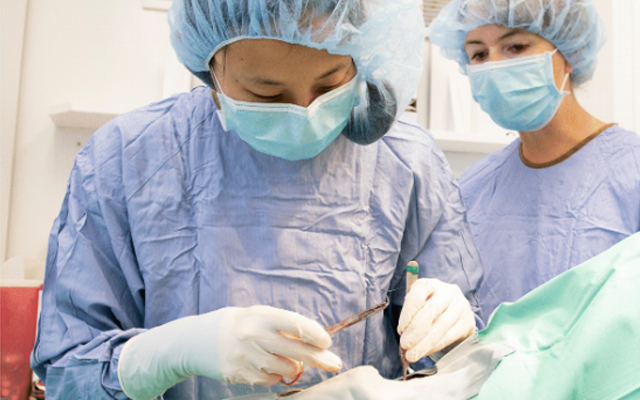
    2014: Through its student surgery program, KSMP has trained over 250 students in high quality, high volume spay/neuter surgery through our partnership with Yolo Animal Services. Since 2017, the students have performed over 4,500 surgeries.
    Yolo County Animal Services Partnership

    10,0000 Portals and Counting

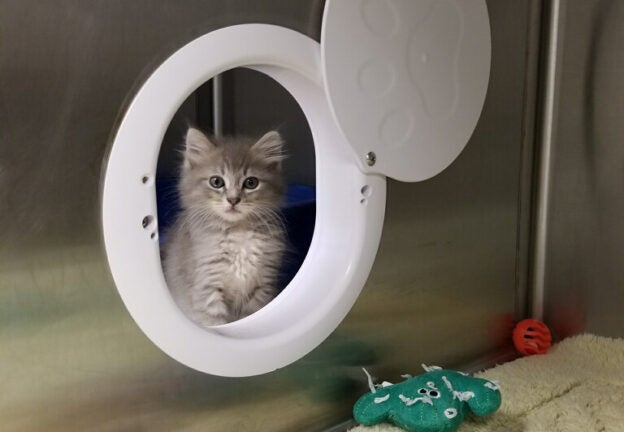
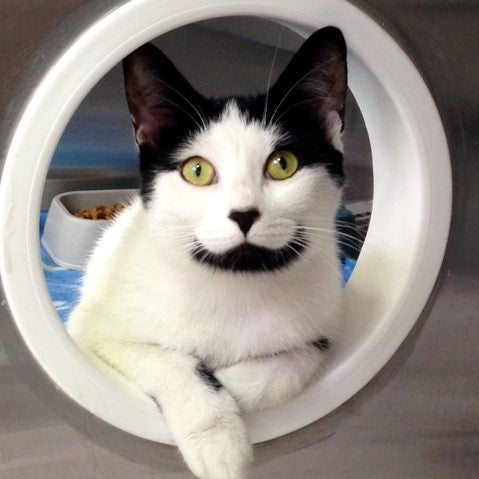
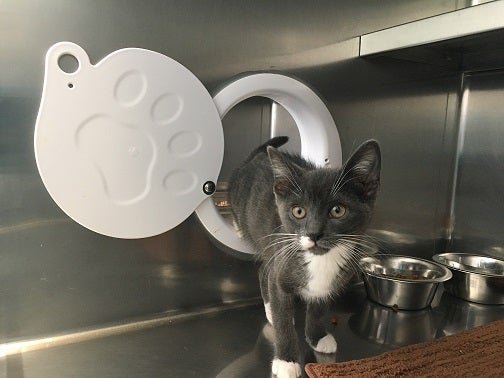
    2016: We joined the world’s largest manufacturer of shelter housing, Shor-Line, to promote portals and their benefits. Over 10,000 portals have been installed in shelters, many of which were gifted by the KSMP/Million Cat Challenge through our annual “Portalmania” campaign. Need some help installing portals at your shelter? Check out our new course!

    C4C Goes Nationwide

    2017: KSMP published an analysis of our sheltering model, Capacity for Care (C4C), marking the first time a specific shelter management model was scientifically linked to decreased euthanasia, improved health of shelter animals and increased live release and adoptions. Today, the components of the model are recognized as sheltering best practices, and  C4C has been adopted by hundreds of North American shelters. 


    KSMP Bootcamp

    Bootcamps Are Born

    2018: KSMP offers self-paced virtual training modules for shelter leaders on the go, and more intense, transformative 6-week “bootcamp” sessions that include live presentations, check-ins, office hours and facility assessments for shelters in need of a deeper dive. Our 5th Bootcamp kicks off in March! 

    ShelterMedPortal Debuts

    2020: We built the ShelterMedPortal, our online learning community where peers can meet, engage, connect, share and learn, and we’re excited to keep growing this space and all that it offers. Invite your shelter team to join the SMP if they’re not members already—it’s free!


    Cat lying on laptop
    Tabby cat sleeping

    3 Million Cats Saved

    2021: Just last month The Million Cat Challenge, a partnership of KSMP, Maddie’s Fund and Maddie’s Shelter Medicine Program at the University of Florida, commemorated 3 million cats saved in five years—exceeding its initial lifesaving goal by 2 million! 

    Let’s all raise a slice of cake to the history—and future—of the KSMP and Shelter Medicine! And if you’re still looking for that perfect on-theme cat- or dog-shaped cake recipe, here are a few ideas.
  • Dr. Cindy Karsten Talks TNR with The Vets Unleashed Podcast

    Dr. Cindy Karsten Talks TNR with The Vets Unleashed Podcast

    Tune in to the newest episode of the always entertaining and informative The Vets Unleashed podcast to hear what the KSMP’s own Dr. Cindy Karsten has to say about Trap, Neuter & Return.

    Optional but recommended: Listen while enjoying hosts Tom and Mike’s suggested cocktail-of-the-week, “The Tom Cat.”

    Ingredients:
    2 ounces Hayman’s Old Tom gin
    2 ounces mezcal
    1 1/2 ounces dry sherry
    1 1/2 ounces sweet vermouth (Antica is a good choice)
    8 drops Bitters
    Ice cubes
    Dehydrated grapefruit slices for garnish

    Instructions:
    In a cocktail shaker, combine the gin, mezcal, sherry, vermouth and bitters. Add enough ice to fill the shaker to the top and shake vigorously. Strain into two coupe glasses containing a few large chunks of ice and garnish with grapefruit slices before serving.

  • Portal Install, Easy as 1-2-3-4: New Mini-Course Open Now on KSMP’s ShelterMedPortal!

    Portal Install, Easy as 1-2-3-4: New Mini-Course Open Now on KSMP’s ShelterMedPortal!

    You probably already know that in addition to being easier for staff to maintain, double-compartment housing promotes cat health and well-being, and that portals are a simple way to join two existing cages together. But how do you actually install them?

    Cutting holes in your cage banks can sound intimidating, but don’t worry: We’ve got you covered. Inside our new self-paced Portal Install mini-course, you’ll find step-by-step instructions to get the job done.

    In addition to the four easy steps of portal installation broken down into bite-sized videos, you’ll also find:

    • A quick overview of the tools you’ll need to install and the parts you’ll be sent with your portal. 
    •  Supplemental material on cage set-up, cage cleaning, research related to benefits of portals and much more!

    Congratulations on taking the portal plunge! You’re about to embark on a journey that will transform your shelter and drastically improve the welfare of the cats in your care, and we’re here to provide expert guidance along the way. 


    Enroll Now

    Industry Leaders Rave About Portals!

    A simple portal between 2 cages allows shelter staff to separate food, water and bed from the litter box and gives cats more space just to be cats. Shelter after shelter report that upper respiratory infections decrease and cats are more comfortable. Who knew one little simple hole could change everything for shelter cats?
    Dr. Sara Pizano
    Dr. Sara PizanoTeam Shelter USA
    Multiple studies have looked at the effect of poor housing on cats, and have linked it to a high incidence of stress-related illness, particularly upper respiratory infections (URI). Shelters frequently assume this condition is simply being spread from cat to cat like the flu, but what’s really happening is the cats are so stressed out they become ill. Giving cats the space they need to exhibit natural behaviors is the key to reducing illness.
    Dr. Julie Levy
    Dr. Julie Levy University of Florida Maddie’s Shelter Medicine Program
    Happy cats equal happy homes. We are excited to give the most vulnerable population within our shelter the space they need to decompress and find forever homes.
    Genny Brown
    Genny BrownExecutive Director of the Humane Society of St Joseph County

  • Rehome Cats in the (Slow) Blink of an Eye

    Rehome Cats in the (Slow) Blink of an Eye

    When it comes to bonding with cats, it’s all about the eyes—and a technique called the slow blink. What the heck is a “slow blink”? Give it a try right now (after you read this next sentence). Slowly close your eyes and keep them closed for a couple of seconds, then slowly open them again. That’s all there is to it. Approach a cat slowly and quietly, do a slow blink yourself and the cat may respond in kind (if they’re feeling you).

    Research has already shown that initiating this behavior is a way to calm and connect with a cat. According to a new study focused on cats in shelters, cultivating slow-blink behavior may also help cats find homes faster.

    Animal behavior researchers at the Universities of Sussex and Portsmouth gathered data from interactions with 18 cats at the The National Cat Adoption Centre (NCAC), the UK’s largest cat rehoming center. The cats were divided into two groups: anxious cats that needed more time with employees and volunteers in order to increase their confidence around humans, and cats in a non-desensitization group.

    The study found:

    • Shelter cats participate in slow blinking interactions with humans, and cats that showed an increased number of and longer eye closures in response to human slow blinks were rehomed faster.
    • Nervous cats may spend more time slow blinking than relaxed cats, providing supporting evidence that this behavior may act as both a positive signal and a submissive display.

    “Since the slow blink is becoming increasingly recognised as a form of communication employed by cat owners and non-cat owners alike,” the researchers note, “these findings may have practical implications for shelters by introducing strategies to promote positive social interactions between potential adopters and shelter cats, particularly for cats that might be more likely to spend a longer time in care (e.g., inactive cats or black cats).”

    In other words, a few (slow) blinks could go a long way in reducing adoption length of stay. Check out the full study, “Slow Blink Eye Closure in Shelter Cats Is Related to Quicker Adoption,” and start purr-fecting your blink.

  • Lifesaving Legal Advice from Shelter PALS

    Lifesaving Legal Advice from Shelter PALS

    Quiz time! Take a minute to see if you know the answers to these common questions:

    • Can vaccines be administered during holding periods?
    • Do veterinarians have to administer rabies vaccines or can that be delegated?
    • Does your shelter need a premise permit?
    • When is a VCPR necessary for treatment?
    • How do protocols change if you’re treating an animal without an identifiable owner?

    If you’re confused about the legalities involved when shelter staff and volunteers take on certain medical tasks, you’re not alone! Luckily, attorneys Brandy Kuentzel and Bruce Wagman of San Francisco SPCA Shelter PALS are here to help you understand foundational law basics and optimize your shelter’s medical team.

    Last week the legal expert duo demystified these questions and others in a presentation for CASCAR, the California Animal Shelter COVID Action Response group, and we’re excited to share it with you.

    In this one-hour video, Brandy and Bruce clarify what registered vet technicians, vet assistants, and volunteers can—and can’t—do, guide you through optimizing care during intake, emergency treatment scenarios, and public vaccination clinics, and reveal why having SOPs and standing orders in place can be your shelter’s superpower.

  • No Money? No Problem: Moving from Surrender to Support on Any Budget

    No Money? No Problem: Moving from Surrender to Support on Any Budget

    A pet guardian shouldn’t have to choose between making rent or buying groceries and a trip to the vet for vaccinations or an overdue wellness exam, but this is exactly the choice too many face. A recent Access to Care Coalition Report coupled with American Veterinary Medical Association data revealed that 59 million pets live with guardians making under $20,000 a year, and one out of every four households has experienced a barrier to veterinary care in the last two years.

    San Francisco SPCA Director of Community Medicine Jena Valdez, DVM, is working to narrow this gap with a community clinic model that provides preventative pet care to historically underserved neighborhoods in her city. In a new UC Davis Koret Shelter Medicine Program webinar, Valdez shares the path to opening a reduced-cost walk-in preventative care clinic as part of the SF SPCA’s efforts to ensure all San Francisco pets and guardians have access to humane care by 2030.

    Sustainable from year one, the SF SPCA Walk-in Wellness/Call-Ahead Clinic is an accessible and practical model for all shelters, regardless of their budget or access to eager donors. In fact, Valdez noted, the clinic ended up using exactly $0—zip!—of the $50,000 initially budgeted to get the project off the ground.

    If you’re hoping to make a difference in access to care in your shelter or community—or if you just want to be inspired to dream big!—join us in celebrating the clinic’s first birthday and learn how to start and sustain your own community clinic. Discover how Valdez and staff made the case to SF SPCA senior leadership and board to open the clinic and how they’ve succeeded in making it sustainable, scalable, and valuable to pets and their people.