
VIN Rounds – 4/6/21 – Handling Challenging Cats with New and Simple Techniques – VIN/AAFP
VIN/AAFP Presents (for VIN members): A discussion of handling challenging cats with new and simple techniques, presented by Ilona Rodan, DVM, DAVBP
Free
VIN/AAFP Presents (for VIN members): A discussion of handling challenging cats with new and simple techniques, presented by Ilona Rodan, DVM, DAVBP
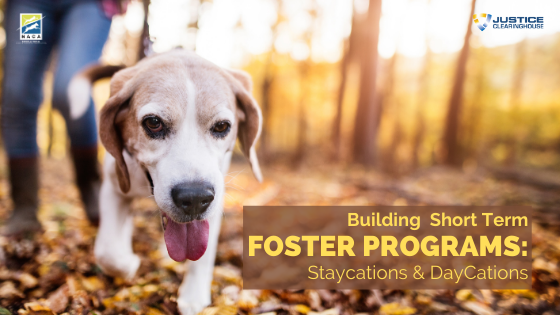
NACA/Justice Clearinghouse Presents: Short term foster programs are an easy way to reduce kennel stress as well as increase the visibility of your adoptable dogs in the community. Lowered kennel stress equals happier dogs, higher adoption numbers, and lower euthanasia rates. Recruit your community to help you market adoptable dogs in a fun and productive way. The best part of these programs are that often the foster parent ends up adopting their short-term foster pet!

HSUS Presents: Does your agency or organization get calls about birds and squirrels fallen out of nests, very young raccoons seen without mom, or fawns and baby rabbits alone in fields or backyards? Whether or not you respond to these types of calls or refer them to a wildlife rehabilitator, this webinar will help you determine and achieve the best outcome for these animals. (Spoiler alert: many of these baby animals are probably not actually orphaned!) Learn how to know when intervention is necessary, how to reunite dependent young with their parents whenever possible, and how to best work with wildlife rehabilitators when reuniting is not possible.

VETGirl Presents: In this complimentary VETgirl–Elanco webinar, Dr. Audrey Cook, BVM&S, DACVIM reviews what impacts food intake in dogs and cats with chronic diseases, and what you can do about it! Learn a logical approach to managing your hyporexic patients, along with a review of pharmacological interventions that can help.

PPG Presents: Counter conditioning is one of the most common methods of reducing fear in dogs. This webinar will explore what the research has to say about the process of counter conditioning. Find out how counter conditioning works, how it’s related to extinction, what limitations it has, how it’s impacted by stress and what additional strategies we can use to enhance the treatment of fear

Center for Domestic Peace and Marin Humane Present: Join Center for Domestic Peace and Marin Humane to build community around this critical topic. We’ll take a deeper dive into the research, explore ways to identify abuse, and provide practical steps to take to help people and animals in need. April is dedicated to the Prevention of Cruelty to Animals.

HSVMA Presents: Based on Dr. Geller’s 20 years experience as an emergency clinician, this fast-paced presentation will include practical tips and procedures for the emergency clinician, as well as students and interns considering working in emergency medicine. A special focus will be made on maintaining patient comfort and welfare concerns in the chaotic environment of the veterinary emergency room.

VETGirl Presents: In this complimentary VETgirl–Zoetis webinar, Dr. Fiona Bateman, DACVD reviews the theory and practice of managing multiple allergic presentations. Using real-world cases, she’ll discuss the management of allergic dermatitis from initial onset of itch, the impact of inflammation, how to manage acute hotspots, what works (and what may not) in otitis cases and more!

Dog iBox Presents (fee applies): This presentation will introduce a variety of ways to condition a reliable relaxation response using techniques that can be applied to many different patient temperaments and learning styles. Video examples will be provided to illustrate key points that maximize the success of this technique. Practical applications for incorporating this exercise into treatment plans for a variety of behavioral diagnoses such as noise phobia, resource guarding, and leash reactive behaviors will also be covered.
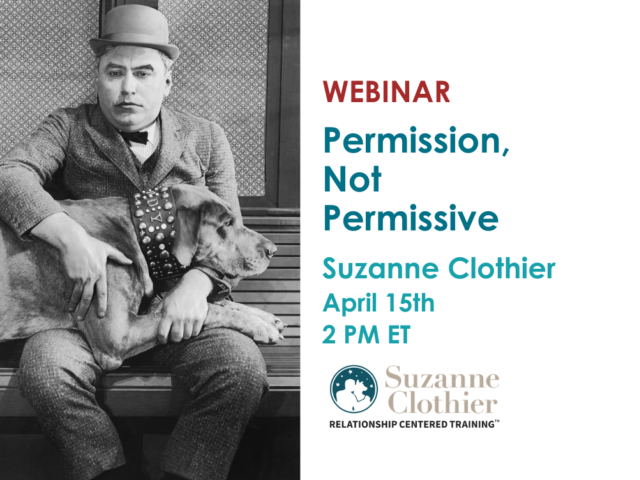
Suzanne Clothier Presents (fee applies): Have you ever wondered how to be positive in your training and relationship with dogs, and yet not end up just being run over or dragged here & there? It can be really challenging to find the balance between positive and pushover. This webinar tackles the confusion, and gives you some practical solutions that are simple and effective. Dogs appreciate the clarification! And you’ll learn how to be fair and consistent without having to harden your heart, deprive or ignore your dog.

VETGirl Presents: In this complimentary VETgirl–Blue Buffalo webinar, The White Coat Investor, Dr. Jim Dahle, reviews financial tips and pearls for veterinary professionals. Tune in for some financial tips that will help veterinary professionals be successful in their careers. Increasing the financial security of veterinary professionals helps them to be better partners, parents, and doctors along with reducing burnout, decreasing suicide risk, and improving patient care.

Think Anesthesia Presents: The presentation compares these two common induction and maintenance agents in healthy patient populations within on-label applications and explores more diverse patient populations or patients with co-morbidities that may require anesthesia. Upon completion participants should have sufficient literature-based evidence to best select the appropriate induction agent for their patient and clinical situation.

VDOS Presents: This webinar will introduce you to the world of small animal dentistry and oral surgery. It will explain what equipment, instruments, materials, knowledge and practical skills are needed to become profitable in the most lucrative discipline of veterinary medicine.

VDOS Presents (fee applies): This webinar will review the most common dental and oral pathologies in dogs and cats, including periodontal disease, gingival enlargement, oral ulcers, stomatitis, eosinophilic granuloma, pyogenic granuloma, tooth wear, tooth fracture, endodontic and periapical disease, tooth resorption, jaw fracture, temporomandibular joint disorders, palate defects, oral soft tissue trauma, and oral tumors. The focus is on recognizing potential causes and diagnostic features of these conditions. The didactic lecture will last 1.5 hours, but the webinar is designed so that there is extra time for interactive participation and answering your questions.

VETGirl Presents: In this complimentary VETgirl–Zoetis webinar, Dr. Annette Litster will present a review of the peer-reviewed literature on vaccination in cats to inform vaccine protocols using an evidence-based approach. Information on the immune response, adverse reactions to vaccines, injection site sarcomas, duration of immunity, route of administration, maternally-derived immunity and updates from the 2020 AAHA/AAFP Feline Vaccination Guidelines will be discussed.

Massachusetts Animal Coalition Presents: Please join us for a presentation about a method for assessing need for spay and neuter resources using GIS (Geographic Information Systems).

Fear Free Presents: Veterinary medicine in 2021 continues to provide challenges—ongoing curbside service, COVID-19, and client concerns and frustrations. Join Natalie Marks, DVM, CVJ, as she discusses some very practical tips and tricks to helping clients understand what we do and why we do it and that we all have the same goal—healthy and happy pets.

ACVB Presents: Join us in this webinar where we will walk through the decision tree to diagnosing behavioral causes for feline house soiling, differentiating between marking behavior and unwanted toileting behavior (previously referred to as “inappropriate elimination”), and discuss prevention and treatment recommendations.

FDSA Presents (fee applies): In this webinar, you’ll learn the skills that will get you through the rough spots without the blow up, and master the fine art of the magnet walk and while you develop strategy that can help get you back out and about! Let’s get your dog walking with you again!

Getting 2 Zero Presents: This session is an introduction to how to ensure your strategic plan is aspirational enough AND deliverable. On how to create a vision that inspires, how to ensure your organisation is moving forward, how to engage your people in the plan. And the step we usually miss: how to implement it in a way that ensures it’s not just a document that sits on a shelf until the next planning session in three years.