Shelter Learniverse and Industry-Wide Calendar

Blog

  • Webinar – 11/15/20 – Dental Nerve Blocks (Regional Analgesia) – VDOS (fee applies)

    Webinar – 11/15/20 – Dental Nerve Blocks (Regional Analgesia) – VDOS (fee applies)

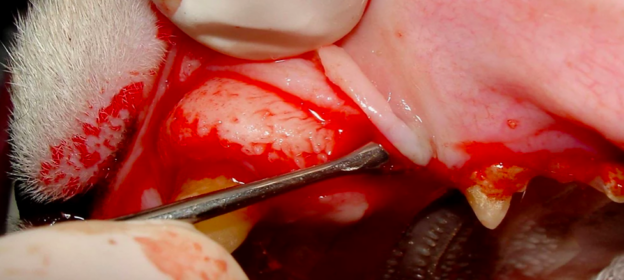
    Dental Nerve Blocks (Regional Analgesia)

    Feeling uncomfortable about sticking a needle through oral mucosa near a neurovascular bundle? Don’t worry, here you learn everything you need to know about nerve blocks for your dental and oral surgical patients!

    Time & Location

    Nov 15, 12:30 PM – 1:50 PM EDT
    Webinar

    About the Event

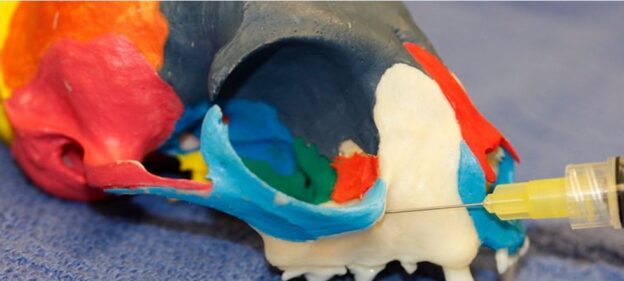
    This VDOS webinar will review local and regional anesthesia/analgesia for dental and oral surgical procedures in dogs and cats. Suitable local anesthetics and needed equipment will be discussed. Techniques for commonly performed dental nerve blocks (including maxillary, infraorbital, major palatine, inferior alveolar, and middle mental) will be described step-by-step. The didactic lecture will last 1 hour, but the webinar is designed so that there is extra time for interactive participation and answering your questions.

    WEBSITE LINK:  https://www.vdos.org/event-details/dental-nerve-blocks-regional-analgesia-4

  • Webinar – 11/15/20 – Closed and Open Tooth Extraction – VDOS (fee applies)

    Webinar – 11/15/20 – Closed and Open Tooth Extraction – VDOS (fee applies)

    Closed and Open Tooth Extraction

    Do you struggle removing a canine or carnassial tooth? What about root remnants and ankylosed teeth in cats? No worries, here you learn all the tricks you need for safe and complete extraction of teeth!

    Time & Location

    Nov 15, 2:00 PM – 3:50 PM EST
    Webinar

    About the Event

    This VDOS webinar will review the indications, biomechanics, equipment/instrument/material needs, and techniques of tooth extraction in dogs and cats. Closed and open techniques will be described step-by-step, including the creation of flaps in one jaw quadrant and the use of high-speed tools for sectioning of teeth and removal of alveolar bone. Tips will be shared on how to make tension-free flaps for wound closure. The didactic lecture will last 1.5 hours, but the webinar is designed so that there is extra time for interactive participation and answering your questions.

  • CASCAR Zoom Call for California Shelters – 11/5/20 – Office Hours: What’s Next? – CASCAR – UC Davis KSMP

    CASCAR Zoom Call for California Shelters – 11/5/20 – Office Hours: What’s Next? – CASCAR – UC Davis KSMP

    Nope, we haven’t forgotten. Your valuable feedback about community perception, what it is and what we’d like it to be, is what we’ll be discussing on our upcoming office hours call. We’ll share the results (again since it’s been a bit) more in depth and welcome your feedback – both how it strikes you and where we can go from here to bring about the change we’d all like to see. To be clear, change that we can effect as a group of caring individuals in animal welfare – as much as we’d like to, we cannot make sweeping promises about the outcomes of this week. What we can do there is vote.

    See you Thursday at 9:30 a.m.!

    To Join the Zoom Meeting

    https://sheltermedicine.zoom.us/j/900364297?pwd=WndTUnlidXhqaStMSjNZdlJDVDg0QT09 <https://sheltermedicine.us11.list-manage.com/track/click?u=a75971c5c2718a53106f9e6ea&id=b124ae0ef7&e=268f362992>

    Meeting ID: 900 364 297

    Passcode: together

    One tap mobile

    +16699006833,,900364297# US (San Jose)

    Dial by your location

    +1 669 900 6833 US (San Jose)

    +1 346 248 7799 US (Houston)

    +1 253 215 8782 US (Tacoma)

    +1 646 876 9923 US (New York)

    +1 301 715 8592 US (Germantown)

    +1 312 626 6799 US (Chicago)

    Meeting ID: 900 364 297

    Find your local number: https://sheltermedicine.zoom.us/u/acRTFiO9ex <https://sheltermedicine.us11.list-manage.com/track/click?u=a75971c5c2718a53106f9e6ea&id=4c60d2305a&e=268f362992>


  • Webinar – 10/29/20 – Lore Haug, DVM, MS, DACVB, CABC – What? Who? Cognitive Dysfunction in Dogs and Cats – FDSA (fee applies)

    Webinar – 10/29/20 – Lore Haug, DVM, MS, DACVB, CABC – What? Who? Cognitive Dysfunction in Dogs and Cats – FDSA (fee applies)

    Lore Haug, DVM, MS, DACVB, CABC – What? Who? Cognitive Dysfunction in Dogs and Cats

    Date: Thursday, October 29, 2020
    Time: 6pm Pacific Time (Click here for time at FDSA (Pacific Time).
    Fee: $19.95 – Registration required PRIOR to scheduled presentation time.

    This webinar will review the psychophysiology of cognitive dysfunction and brain aging. We will also cover common (and less common) signs of CD or brain aging and how brain aging clinically affects behavior. Finally, we will discus various treatment modalities available to try to mitigate symptoms and progression.

    Click here to register.


    WEBSITE LINK: https://www.fenzidogsportsacademy.com/index.php/self-study/webinars

  • Value-First Storytelling

    Value-First Storytelling

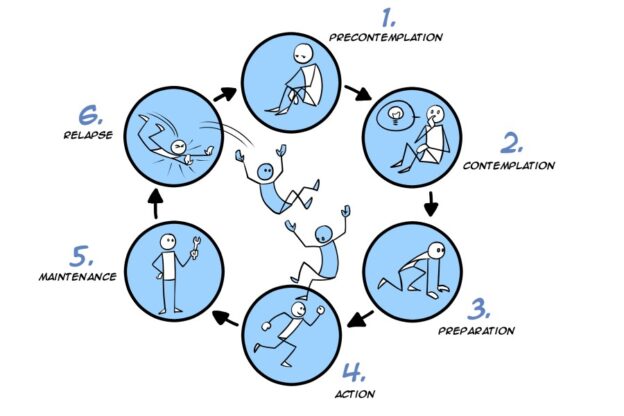
    Last week we talked about change curves and took a moment to recognize that important change goes through a cycle just like grief. In fact, if you took a moment to glance at the Kubler-Ross Change Curve you might have noticed it looked pretty dang familiar to you. The five stages of change happen to be, you guessed it, the exact same five stages of grief! It’s true: Our minds grieve change even when it’s good. A big breakup still hurts even if we know it’s time to move on.

    Understanding that letting go of the way we did things is a process, even if the way we did things wasn’t serving us, helps us prepare for the ride and know when we need to act vs when we simply need to hold on. Knowing that stakeholders’ fear, anxiety, anger, frustration, and helplessness are to be expected, we can see those reactions as a sign that we are on the right track when we are managing the change appropriately.

    That doesn’t mean we should let go of the wheel, of course. What we can do to successfully set our organization up for the change ahead, the “unfreeze” stage of the Kurt Lewin Change Model, is to prepare our organization by:

    + Framing the problem and breaking down the status quo. This stage includes challenging the beliefs, values, attitudes, and behaviors that currently define the problem and being willing to look at the biases that enabled us to land here in the past. Using the analogy of a building, we must examine and be prepared to change the existing foundations as they might not support new additions. This may evoke strong reactions in people, and that’s exactly what needs to be done. We’re effectively creating a controlled crisis, which in turn can build a strong motivation to seek out a new equilibrium. Without this motivation, you won’t get the buy-in and participation necessary to effect meaningful change. Covid, of course, accelerated our first step- for better or for worse.

    + Communicating to our stakeholders why the status quo isn’t working and why we need the change. This might be especially hard when we’ve found ways to celebrate old policies/metrics that really weren’t serving us. This step requires a bit of honesty, humility, and an honest effort to change the narrative going forward. (Thankfully, those are all traits of a great leader and showing openness and vulnerability during change serves to deepen trust and respect.)

    + Soliciting feedback: Openly, honestly, anonymously, regularly and without repercussion. Whether it’s a conversation, a survey, a private suggestion box, town hall meetings or just picking up the phone to call individual staff members, the answer is YES. Make clear the only promise associated with the feedback is that it will be heard and the concern will be addressed.

    + Addressing, managing and responding to fears and…

    + Messaging, messaging, messaging and messaging some more about the gains made along the ride, not just at the end. The change cycle tells us there will be dips and losses along the way. Don’t let those expected setbacks become the narrative that keeps fears stoked.

    When it comes to the community, tell your story through a service-oriented lens. 

    Abe Lincoln once said, “Give me six hours to cut down a tree and I’ll spend the first four sharpening the axe.”

    You might feel like you’ve been messaging and talking about policy changes for 24 hours a day 7 days a week since March, 2020, but it’s easy for us to forget that our shelter world, the thing we live and breathe every single day, is a place, a service, that most people only interact with a few times in their lives. The most well-resourced shelters in the country with a team of marketers behind them are doing great to have an online following that’s 10% as large as the city or county they serve. Of those, less than 6% will see a post you make on social media. The point: Don’t be surprised to find your community is still surprised by the improvements you’ve made to your customer and animal experience. Expect that they have no idea what or why things are different and relish in the opportunity to tell them how you are realigning and expanding your services to meet their needs and the needs of the animals.

    How do these changes directly benefit the animals? How do they benefit stakeholders? 

    ●  If you fumbled around for a few weeks testing new technologies that would allow your animals to meet their match online and now they’re out there swiping left with potential adopters– tell that story! Does every person visiting your website know they can meet their next best friend without getting off the couch? 

    ●  If you implemented an appointment-based system, whether it be for adoption or to surrender, tell your community what it means to be able to give your undivided attention to the pet and person sitting in front of you. Can they go online and schedule an appointment using a convenient calendaring app? Great! No one likes to wait, everyone likes clean surfaces, and, rest assured, every animal and adopter/guardian receives your team’s full attention when it’s their turn. Focused attention is the gold standard of good service, even more so when big decisions are being made. 

    ●  If you stopped taking in healthy cats, communicate why this change is in alignment with the recommendations made by leading national organizations. Most people simply don’t know that cats are ten times more likely to be reunited with their guardians when left in their neighborhood of origin. 

    ●  If you emptied your shelter to upgrade your cat housing, show your supporters what it looks like when a cat steps through a portal. We all understand how critical having adequate space to move around is to our wellbeing now more than ever.

    This is our story of change and it’s a great one. The most recent Shelter Animals Count data shows us that euthanasia is down by at least 100k lives this year compared to last and animals are spending a record low number of nights in cages. If your organization is feeling weary, unappreciated, misunderstood, or even under attack, bless and release what is not yours to worry about and hand it over to the life cycle of grief so you can spend all your time and attention shouting the positive changes for both animals and the people that love them from the mountaintops.
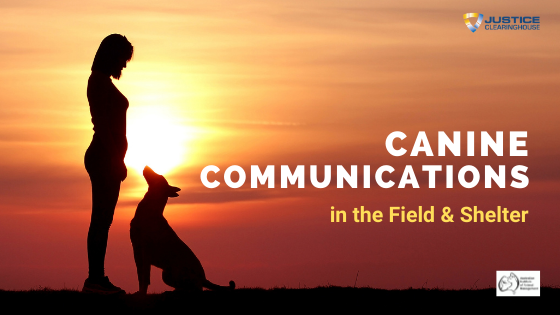
  • Webinar – 11/11/20 – Canine Communication in the Field and Shelter – NACA/Justice Clearinghouse

    Webinar – 11/11/20 – Canine Communication in the Field and Shelter – NACA/Justice Clearinghouse

    The single most important skill for handling unfamiliar dogs safely, humanely, and successfully is the accurate observation and interpretation of canine body language. Great skills in ‘talking dog’ keep everyone safe and ensures that you can work efficiently when trying to get a dog to cooperate. In this webinar, Trish and Di will use pictures and videos to ‘develop your eye’ for canine body language so you can increase your understanding of what dogs are telling you.

    You will learn:

    • Basic canine communication concepts, starting by looking at body parts, then at postures and movements.
    • The importance of context, arousal, and the influence of your own behaviour during interactions in the field
    • Basic and more complex canine body language


    This is part of a two-part series:


    The Australian Institute of Animal Management (AIAM) is the national peak body representing Local Government Animal Management Officers. The AIAM Committee consists of a wide range of professionals engaged in the various aspects of animal management.

    AIAM seeks to support those engaged in the business of animal management, and the function itself, by providing training and information, opportunities for networking and collaboration, and by encouraging the use of best practice policy and practices. AIAM promotes consistency of legislation, consultation in the creation of legislation and workplace processes, and healthy relationships with external stakeholders and the community. AIAM supports cross-sector collaboration and co-design of projects and initiatives.


    Presenters:

    Trish McMillan holds a Master of Science degree in animal behavior, and is a certified professional dog trainer, certified dog behavior consultant, and associate certified cat behavior consultant.  She has been involved in the animal rescue and sheltering world since the mid-1990’s, starting out as a volunteer and working her way up to director of animal behavior. She worked for the ASPCA for nearly eight years; first as Director of Animal Behavior at their NYC shelter, then as a behaviorist on their field team, helping assess and rehabilitate dogs from cruelty cases, dogfighting and hoarding situations, then she joined the Shelter Research and Development team.

    Trish currently does animal behavior consulting near Asheville, North Carolina, working with dogs, cats and horses. Her farm, Pibble Hill, is home to a happy herd of animals of five species. Trish speaks and consults nationally and internationally on animal sheltering issues, dog, cat, and horse behavior, dog aggression, and defensive handling. Her online shelter dog behavior offerings have helped students from around the world apply best practices at their respective shelters and rescues.


    Dr Diana Rayment holds a PhD in Canine Behaviour and a Bachelor of Animal Science. Her primary research area is canine behaviour and assessments in applied settings, like animal shelters. She has also worked in a variety of academic and industry settings, including as a TAFE and university educator, as an applied scientist studying companion animal welfare and behaviour and working dog assessments, a dog trainer, a shelter nurse and most recently, leading the behaviour team at the Greyhound Adoption Program Victoria. Diana is now working to integrate and improve animal welfare and animal management practices in Australia through a variety of roles, including project management and staff and volunteer training at Second Chance Animal Rescue.

  • Online Event – 10/29/20 – Ken Ramirez and Dr. Christopher Pachel – The Importance of the Trainer-Veterinary Behaviorist Relationship – Karen Pryor Academy

    Online Event – 10/29/20 – Ken Ramirez and Dr. Christopher Pachel – The Importance of the Trainer-Veterinary Behaviorist Relationship – Karen Pryor Academy

    LIVE FROM THE RANCH

    Join Ken Ramirez, KPCT’s Chief Training Officer, for a free hour-long virtual event live from The Ranch on Thursday, October 29 at 12:00 pm (PT). Ken will be joined by Dr. Christopher Pachel to talk about the importance of the trainer-veterinary behaviorist relationship, as well as demonstrate relaxation training for dogs.

    Join the Free Virtual Social Event!

    Thursday, October 29 • 12:00 pm (PT)
    Join on ZoomPassword: 759282
    Prefer to save the link for later?  https://us02web.zoom.us/j/83989136801? | Password: 759282
  • Online Certificate Program – Starting 12/7/20 – Animal Shelter Management Certificate Program – Community Program Development Course – Humane Network/UOP (fee applies)

    Online Certificate Program – Starting 12/7/20 – Animal Shelter Management Certificate Program – Community Program Development Course – Humane Network/UOP (fee applies)

    University of the Pacific Animal Shelter Management

    Certificate Program

    This award-winning online certificate program provides practical information and valuable networking for current sheltering professionals, those looking to advance their career, or move into the field of animal sheltering.

    The program’s courses include leadership, shelter operations, community program development, animal health/clinic operations, and marketing/development. 

    Next session starting December 7, 2020 – Community Program Development

    Program Content

    The five courses are:

    • Leadership covering strategic planning, analyzing operations, decision-making, managing people and processes to achieve results, organizational responsibilities, and working with a board of directors.
    • Shelter Operations covering adoptions, animal care, and sheltering fundamentals, animal behavior and enrichment, and customer service.
    • Community Program Development covering volunteers, foster care, spay/neuter, pet retention, events, and community relations.
    • Animal Health and Clinic Operations covering understanding shelter medicine, basic animal health considerations and care, euthanasia decisions, and clinic operations.
    • Marketing and Development covering development fundamentals, fundraising strategies, marketing fundamentals, adoption promotion, social media and websites, and media relations.

    Each of these courses includes live video conference sessions with top experts in the field providing students valuable contacts within the field. Additionally, alumni have access to exclusive networking opportunities and receive notification of employment opportunities.

    Who will benefit from the program?
    • Professionals seeking a career change to something more personally fulfilling.
    • New shelter directors.
    • Shelter directors or managers wishing to improve their organization’s live release rate and sustainability.
    • People working in the animal welfare field who wish to advance into management roles.
    • Board members of animal shelters.
    Credit for program/courses

    Upon completion of all five courses, you will receive a Certificate in Animal Shelter Management from the University of the Pacific.

    Each course earns:

    • Continuing Education Units (CEUs) from the University of the Pacific
    • Association of Animal Welfare Advancement CAWA Continuing Education (CE) credits
    Schedule and Registration
    Each of the five online courses are six weeks long and are offered sequentially. The entire program is approximately seven months long and a new round starts again after a short break. More information on start dates of each course and how to register can be found on the University of the Pacific website.

    1. Leadership Training

    • Strategic Planning for Impact
    • Analyzing Operations and Decision Making
    • Managing People & Processes to Achieve Results
    • Organizational Responsibilities, Structure, and Board of Directors

    Date: 9/14/20 – 10/25/20
    Instructor: Bonney Brown
    Course Code: UNSM 005 51 (6 CEUs)


    2. Shelter Operations

    • Adoptions
    • Animal Care Fundamentals
    • Enrichment
    • Animal Behavior
    • Customer Service

    Date: 10/26/20 – 12/6/20
    Instructor: Denise Stevens
    Course Code: UNSM 010 51 (6 CEUs)


    3. Community Program Development

    • Community Relations
    • Volunteers
    • Foster Care
    • Spay/Neuter
    • Help Desk
    • Events

    Date: 12/7/20 – 1/24/21
    Instructor: Diane Blankenburg
    Course Code: UNSM 015 51 (6 CEUs)


    4. Animal Health and Clinic Operations

    • Understanding Shelter Medicine
    • Basic Animals Health Considerations and Care
    • Euthanasia Decisions
    • Clinic Operations

    Date:  1/25/21 – 3/7/21
    Instructor: Bonney Brown
    Course Code: UNSM 020 51 (6 CEUs)


    5. Marketing and Development

    • Development Fundamentals
    • Fundraising Strategies
    • Marketing Fundamentals
    • Adoption Promotion
    • Social Media and Websites
    • Media Relations

    Date: 3/8/21 – 4/18/21
    Instructor: Diane Blankenburg
    Course Code: UNSM 025 51 (6 CEUs)


    Individual courses (6 CEUs):  $299
    Certificate/all courses (30 CEUs): $1,395, special bundle pricing if you register for ALL courses up front ($100 discount)
    **This certificate program is not eligible for financial aid.**

    HUMANE NETWORK WEBSITE LINK:  https://www.humanenetwork.org/shelter-management-certificate

    UOP WEBSITE LINK:  https://uc.pacific.edu/public/category/courseCategoryCertificateProfile.do?method=load&certificateId=192577

  • Webinar – 11/16/20 – Stress Resilience – Banfield

    Webinar – 11/16/20 – Stress Resilience – Banfield

    Resiliency is the ability to adapt and bounce back when things don’t go as planned. And with stress being a part of our everyday lives, we want to provide you with tools to help you become more resilient in times of stress and uncertainty. It’s not about being faced with stress, it’s more how you react to it. Stress affects your ability to work — which can have a consequence on your overall career wellbeing— but, more importantly, stress can affect your health.

    The good news is that even if you are not naturally a ‘stress resilient’ person you can learn how to be.

    Date: Monday, November 16th
    Time: 10:00 am – 11:30 am PT
    Course Timing: 1.5 hour virtual session with 15 minute pre-work (RACE approved)

    This session will help you:

    • Define what stress is and what it is meant to be ‘stress resilient’
    • Gain knowledge about the impact of stress and the benefits of being resilient
    • Identify where your strengths and opportunities fall in regards to stress resilience
    • Decide which techniques to apply to your routine of self-care to help you thrive in times of stress

    It’s hard to imagine what our world would be like without stress…but, think about what you could accomplish if you had the strength to not let it dominate your life.

    WEBSITE LINK:  https://app.jobvite.com/TalentNetwork/action/campaign/w/NzQ5Mzc

  • Webinar – 11/13/20 – Confronting Conflict with Teams – Banfield

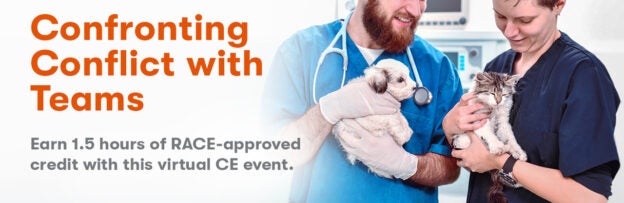
    Webinar – 11/13/20 – Confronting Conflict with Teams – Banfield

    Friday, November 13, 2020 from 9:00am – 10:30am PT

    Conflict is something that, as much as we try, we cannot avoid because conflict comes up anytime your view differs from another’s — and humans are opinionated beings. While most of us have a strong reactions to conflict, including (but not limited to) fear; avoidance; and/or dread, conflict can also have positive impacts. It can allow for exploration of new and different ways of doing things resulting in better outcomes. When we think of the negatives of conflict it’s because of the emotions that conflict evokes — often making situations feel explosive. By learning how to step up to conflict and confronting it head on by using the right approach, you can turn conflict into a positive for both you and your team.

    Course Timing: 1.5 hour virtual session with 15 minute pre-work (RACE approved)

    This session will help you:

    • Define the five modes of handling conflict; competing, collaborating, avoiding, accommodating
    • Help you understand how to identify the best mode for various situations to produce a positive experience
    • Identify where you may or may not be flexing your approach to conflict in a current team situation to determine what approach would be best to get you a positive outcome

    When we step up to conflict, instead of away from it, and take the right approach we can change our perception and, ultimately, end in a better place than we are today.


    WEBSITE LINK:  https://app.jobvite.com/TalentNetwork/action/campaign/w/NzQ5MzQ