Shelter Learniverse and Industry-Wide Calendar

Category: KSMP News

  • Join Team KSMP!

    We’re expanding our team! If you or someone you know is looking for great work-life balance, excellent benefits, collaborative, supportive culture, and game-changing work, check out our two newest openings.

    Administrative Assistant

    Are you a powerhouse admin assistant who would be a good fit for our team? Apply now—this position closes 12/20!

    Click Here

    Online Learning Designer

    We’re looking for an instructional designer who can create innovative, transformational learning experiences for our national online training program.

    Click Here

  • How Our Community Saved 3.4 Million Cats

    How Our Community Saved 3.4 Million Cats

    Think about the best stories you’ve read, or heard, or watched. The stories that have stuck with you. The stories you return to again and again because they have the power to move you, even if—or maybe especially if—you know them by heart. What ties them together? Maybe you’re into mysteries. Maybe you love love stories. Maybe you can’t resist an underdog overcoming huge challenges, especially when that win isn’t guaranteed, but necessitates an entire community rallying around a common goal. Grab a seat and a snack, because we’ve got a story that contains every single one of these elements. The best part? You’re the star! KSMP Director Dr. Kate Hurley was invited to the TEDxMileHigh stage to tell the fascinating, surprising, and victorious origin story of the Million Cat Challenge and how our community came together to save 3.4 million cats and counting. Whether you know this one by heart or you’ve never heard it before, it’s worth watching and sharing with anyone who needs to be reminded that sometimes what seems impossible is actually, when we all join in, possible.
  • We’re Looking for a Leader

    We’re Looking for a Leader

    Are you ready to add your expertise to a game-changing program for animals and the people that love them?

    In a historic move, the governor of California tapped the Koret Shelter Medicine Program to lead a five-year, 50 million dollar initiative not only to recover from the pandemic but also to realize California’s goal of becoming a truly humane state that does not euthanize healthy or treatable animals. Originally proposed in 2019 and put on pause by the pandemic, the California legislature voted to make it official with the 2021 state budget.  

    That’s where you come in! 

    We’re hiring a California State Director to lead the kind of large-scale change initiatives that have a huge impact and squeeze every ounce of opportunity out of this statewide pilot. More animals pass through shelters in California than in any other state in the nation; we’re hoping the innovations that allow us to get it right here will serve as an example for the rest of the United States.

    A little about the Koret Shelter Medicine Program 

    The KSMP was established in 2001 as the first university-based shelter medicine program in the world. For the last twenty years, we have developed and spread a welfare-oriented, community-centered approach to animal sheltering and services.

    Here’s some of what we’ve accomplished so far:

    • Our research has led to advancements in vaccine schedules and protocols that have protected millions of animals from life-threatening diseases. 
    • Our management model, Capacity for Care (C4C), has been peer-reviewed, published and proven to dramatically improve both the welfare and live outcomes of animals. C4C has enabled thousands of shelters to serve their community more efficiently and allowed staff to take pride and feel joy at work. 
    • Together with the University of Florida, we co-founded the world’s largest feline life-saving initiative, the Million Cat Challenge, and surpassed our goal of saving one million more cats a year early. Today, shelters enrolled in the Challenge have spared 3.5M cats and kittens from euthanasia. 
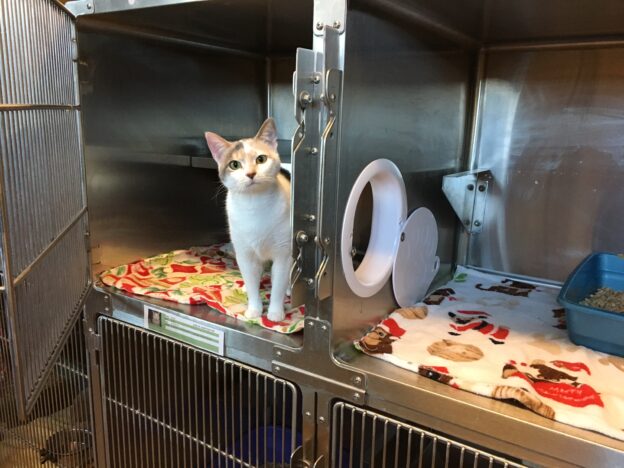
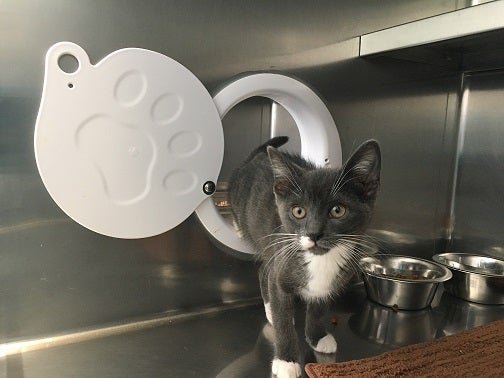
    • Many of those 3.5 million cats will have passed through a portal, a KSMP invention that retrofits feline housing and reduces stress and upper respiratory infections in hundreds of thousands of cats worldwide by providing the space they need to exhibit natural behaviors. 
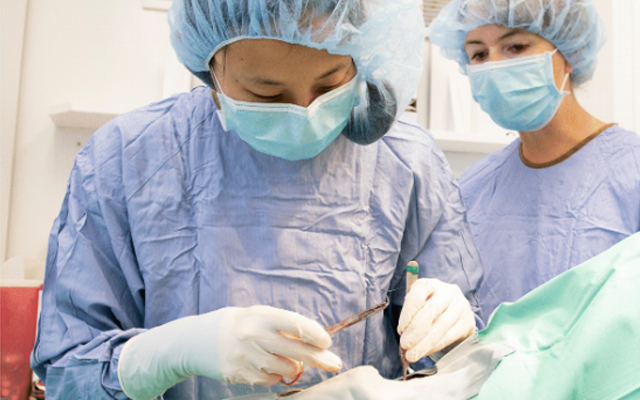
    • Over six thousand animals have been sterilized by UC Davis fourth-year veterinary students completing a high volume spay and neuter rotation at our local animal shelter hosted by KSMP.

    There is an impression that our team is larger than it really is; in fact, the program you will be leading is small and scrappy. Our commitment comes from our shared belief that inside animal shelters are hard-working and innovative professionals that know what their community needs to move forward; our job is to give them the tools and help them shape the path to the humane outcomes they desire. In exchange, we discover and help magnify the successes being achieved by shelters across the nation. This virtuous cycle has enabled us to scale our efforts year after year and build the infrastructure that has prepared us to grow our program substantially and support California through our next transformative chapter. 

    If you’re ready to invest your time and talent into something that makes a positive impact, something that magnifies the good, something measurable, something that will inarguably improve the lives of pets and the people that love them, look no further.

    A brand-new position created for this once-in-a-lifetime opportunity. Is it yours?

    We’re looking for someone that loves building and scaling new programs. Someone intimately familiar with animal welfare and the sheltering culture is important for this role (extra bonus for the professional that already has an extensive network in California) but equally important is your experience managing teams, building engagement, will, and enthusiasm. We serve communities through animal shelters; communities are not made up of pets alone. The human-animal bond is central to everything we do. If you’re ready to invest your time and talent into something that makes a positive impact, something that magnifies the good, something measurable, something that will inarguably improve the lives of pets and the people that love them, look no further. 

    What would I be doing, specifically? 

    This position will provide strategic guidance to the team on unique challenges facing the sheltering community. A typical week leading this project would include building a statewide community among animal shelters; working closely with our deputy director to ensure different elements of this project are on track and planning our next grant opportunity; reviewing the progress of shelters we are working with and consulting with our other internal teams to see the full picture; and meeting with external partners to leverage every possible strategic investment in our goal. 

    As a manager of 2-3 staff, providing feedback and developmental opportunities as needed to recognize and/or improve performance and capacity will also be an important part of this role. You’ll also be part of our team expansion, so you would be leading the process of recruiting, interviewing, and onboarding additional members of the California for All Animals initiative. Of course there would likely also be typical university administration tasks, human resource duties, budget management tasks, and some oversight of the grants processes.

    A few of the EI/EQ qualities we think our new leader needs to succeed.

    We are looking for someone flexible but steady. Every personality type under the sun shines through the members of our team and those we serve. We are constantly changing and innovating, and you have to enjoy (or at least be okay with) that sort of thing to thrive on this team.  

    You must be passionate about the KSMP mission and helping communities of all shapes and sizes. The phrases “large-scale change,” “cohort building” and “community engagement” should turn your head in a conversation. If you’re not a disciplined self-starter, it would be nearly impossible to succeed in this role.

    As mentioned, we have big goals and a small, growing into a medium-sized team. To achieve our aims, we operate with excellence in mind in all matters, with the confidence to discuss and present ideas without ego interfering. We don’t always get it right, but we are committed on a cellular level to continuous improvement. You’ll need to have the kind of grit that wires you that way, too.  

    That doesn’t mean we’re a humorless bunch. Fun is important to us. We don’t goof off all day, but we fully encourage a light spirit that promotes healthy team culture, creativity, and imagination. In fact, it is an important part of our brand identity.

    We are part of a vibrant and expanding community

    The Koret Shelter Medicine Program (KSMP) is an education and research unit within the School of Veterinary Medicine at the University of California, Davis. The program supports the health and welfare of animals by applying the principles of shelter medicine to community animal management through shelters. Shelter Medicine defines a broad specialty that includes medicine, management, behavior, and the epidemiological study of community dynamics related to companion animal management. 

    Is this position speaking to you? Do you live in California or would you be open to the possibility? We’d love to hear from you!


    Click here to apply by October 20.

    Note: Davis is a great town, but you don’t have to move here as long as you reside in California. Please feel free to email sheltermedicine@ucdavis.edu if you have any questions.
  • New Edition of Infectious Disease Management in Animal Shelters Available in Paperback

    New Edition of Infectious Disease Management in Animal Shelters Available in Paperback

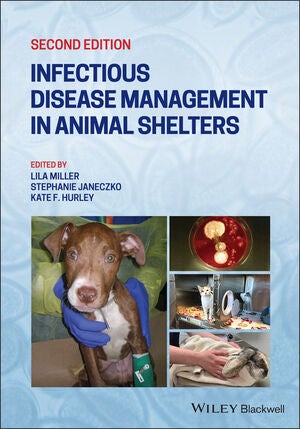
    Here’s a new release to add to your summer-and-beyond reading list: the revised second edition of Infectious Disease Management in Animal Shelters is now out in paperback, and it’s an essential resource for every shelter. Editors Dr. Lila Miller, former ASPCA Vice President of Shelter Medicine; Dr. Stephanie Janeczko, ASPCA Vice President of Shelter Medicine; and Dr. Kate Hurley, UC Davis Koret Shelter Medicine Program Director, have updated and expanded the first edition, published in 2009, to reflect advances in shelter medicine and best practices in preventing, managing and treating infectious diseases affecting cats, dogs and exotic small companion mammals in shelters.

    In the new edition, shelter veterinarians, managers and staff will find everything they need to help maintain animal health and wellbeing and improve outcomes:

    • Guidelines for general management and disease prevention and control in cats and dogs
    • Shelter medicine’s core principles of humane population management in the context of supporting shelters’ goals for preserving welfare, saving lives and protecting human health
    • A new chapter on exotic companion mammals
    • Practical strategies that draw on the latest research and evidence-based medicine and the authors’ personal experience in the field

    Though sheltering models have changed over the last twelve years, the focus on individual animal care and herd health is as foundational as ever. Successful disease management not only lowers euthanasia rates but also bolsters the very community-centered sheltering approach we are working toward. As Drs. Miller and Hurley note in their introduction, “the improved public confidence that a healthy population tends to generate can lead to greater support of the shelter, higher adoption rates, and an increased capacity to invest in programs to decrease shelter admission and keep pets healthy and safe with their families.”

    Infectious Disease Management in Animal Shelters, 2nd edition, is available to order online. Read the full introduction below. 

    [embeddoc url=”https://www.sheltermedportal.com/wp-content/uploads/2021/08/Introduction_Hurley-and-Miller.pdf” height=”800px” viewer=”google”]
  • California Budget Includes Money to Help Homeless Animals

    California Budget Includes Money to Help Homeless Animals

    UC Davis Koret Shelter Medicine Program to Administer Grants and Outreach

    California Gov. Gavin Newsom has signed budget legislation that includes $45 million in one-time support for a statewide Animal Shelter Assistance Program. The program will be administered by the Koret Shelter Medicine Program, at the University of California, Davis, Center for Companion Animal Health. The increase will be used to fund grants and outreach for the state’s animal shelters over a period of five years. The funding increase reflects the governor’s commitment to providing resources that can help communities realize the state’s long-held policy that “no adoptable or treatable animal should be euthanized.” Newsom tapped the Koret Shelter Medicine Program to set up a grant process, create and distribute educational materials and perform in-person consultations to help achieve the goals of the policy. He cited the program’s reputation for leadership in the field of shelter medicine and long history of working with California shelters. “This represents a promise fulfilled for animal shelters and communities, especially those that historically have been under-resourced. As the first academic shelter medicine program in the world, the Koret Shelter Medicine Program is well-positioned to provide the expertise required to earn the greatest return on this investment,” said Michael Kent, director of the Center for Companion Animal Health at the UC Davis School of Veterinary Medicine. A $5 million allotment for a two-year pilot project was funded in April. The $45 million augmentation restores the funding and longer timeline of the governor’s original proposal of $50 million over five years that was made in January of 2020. “We’re honored to be chosen to administer this pioneering program. This truly is a generational investment that has the potential to change the landscape for vulnerable animals and their families in California,” said Kate Hurley, founder and director of the Koret Shelter Medicine Program. “The additional $45 million allocation not only shows agencies throughout the state just like mine that our sacrifice and dedication is recognized, but also provides crucial fiscal support for programs essential to helping our communities rebuild from this devastating time,” said Cassie Heffington, animal services manager at Tulare County Animal Services. You can read more about the Animal Shelter Assistance Act. For a history of the governor’s original proposal, see Governor Newsom Proposes $50M Investment to Help California’s Homeless Animals and the California for All Dogs and Cats page at Sheltermedicine.com.

    We Want to Hear from You!

    What would you like to see in your shelter? Your state? Do you have ideas about how these one-time grant funds can not only help shelters that need support today but also build a roadmap that will advance and sustain California’s lifesaving in the future? Take a moment to tell us what interventions you think will set this program up for maximum impact. To be kept up-to-date about developments, please sign up for the California for All Dogs and Cats mailing list.
  • Last Call for Shelter Medicine Fellowship Applications

    Last Call for Shelter Medicine Fellowship Applications

    Calling all shelter veterinarians! Would you like to gain additional training, make a positive life-saving impact in your shelter and community, and join a supportive and like-minded group of vets? Apply by June 23 for the 2021/2022 UW Shelter Medicine Program/UC Davis Maddie’s Shelter Medicine Fellowship, which provides all of this to selected fellows at no cost, thanks to a grant from Maddie’s Fund®. 

    Through participation in this program, the Fellow will:

    • Become familiar with resources to improve shelter animal health.
    • Become familiar with the ASV Guidelines for Standards of Care.
    • Learn many important elements of shelter consultation, including considerations for housing, population planning, sanitation, physical and behavioral well-being, etc.
    • Interact closely with shelter medicine faculty, resident, fellow alumni and students with a goal that relationships will develop that promote life-long learning and collaboration between practitioners and academics.
    • Attend a one week virtual fellowship training camp ‘Shelter Medicine Intensive’ in order to work closely with other fellows in the program as well as the UW and UC Davis Shelter Medicine teams and veterinary students. 
    • Complete a project focusing on an aspect of interest to the fellow with relevance to their home base shelter and creation of materials to share with the field. 

    Year after year Fellowship is ranked as one of the most impactful and enjoyable things the UW and UCD teams engage in. If this opportunity isn’t for you, be a friend and share with anyone you think might benefit. It really is a game-changer.

    For full program details and application requirements, visit uwsheltermedicine.com.  

  • No Place Like Home: How Shelters Can Serve Pets and Their People Where They Are

    No Place Like Home: How Shelters Can Serve Pets and Their People Where They Are

    On a recent episode of the Humane Network’s Shelter Success Simplified podcast, the KSMP’s own Dr. Cindi Delany explained what organizations can do to keep animals from coming into shelters in the first place, and why shifting resources to serve animals and their families right where they are—in the community—can lead to better outcomes for all.

    The Humane Network’s key takeaways from the conversation:

    • Time in a shelter is stressful for animals, anything we can do to reduce time spent there is beneficial to the animals. Providing support services to keep pets in homes and making return-to-owner processes easier and friendlier are two examples.

    • Having fewer animals in the shelter reduces the risk of disease transmission and allows you to put more time and resources into helping animals who truly need to be there or need special assistance.

    • The cost of taking in an animal is generally more expensive than helping keep that same animal in their original home, whether it’s providing food, medicine, veterinary treatment, or help with a rental pet deposit.

    • It doesn’t require more resources, instead you are shifting resources from caring for animals in the shelter to helping keep animals with their original families.

    • Start by looking at data to understand what animals are coming in and why.

    Listen to the full episode below and explore the library of other Shelter Success Simplified episodes at Humane Network.

  • When Cats Belong in Their Community

    When Cats Belong in Their Community

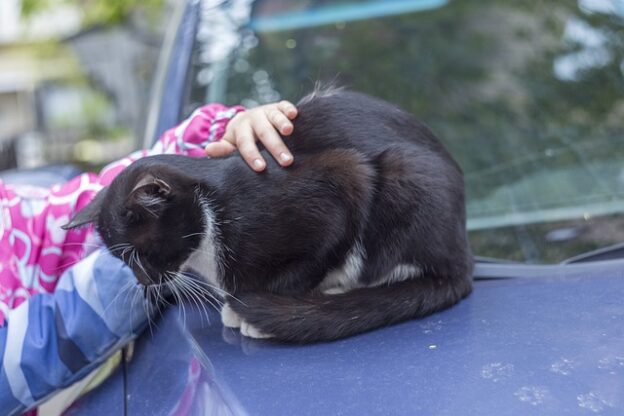
    A concerned or frustrated community member arrives at the shelter with a lost cat they found hanging around the neighborhood. Traditionally shelters have accepted that cat into their care and, when possible, put it on the path to adoption. That may well be the response the community expects. But what if that’s not actually in the best interest of the cat, lost or not?

    On a recent episode of the Humane Network’s Shelter Success Simplified podcast, KSMP director Dr. Kate Hurley explains why returning a cat to home often means returning a cat to its community.

    • Cats are 10 to 50 times more likely to be reunited with their families if they are in the area of their original home rather than at a shelter.

    • Many times some quick research reveals the cat is already being loved and cared for by someone in the community. Scan the cat for a microchip. Encourage the finder to talk with neighbors, post about the cat on Nextdoor or look for lost-pet posts on Facebook.

    • Recognize that cats are disproportionately brought to the shelter from underserved communities. Look for opportunities to build community trust and provide pet caregivers with support and resources, such as pet food, vaccinations or spay/neuter.

    For more tips on adapting your shelter’s approach to healthy, free-roaming cats, listen to the full conversation below and explore the library of other Shelter Success Simplified episodes at Humane Network.

  • Celebrating 20 Years of KSMP and Shelter Medicine

    Celebrating 20 Years of KSMP and Shelter Medicine

    In case you missed National Chocolate Cake Day last week, we have one more excellent reason to indulge: Today the Koret Shelter Medicine Program turns 20! Twenty years ago, Dr. Kate Hurley started her internship in Shelter Medicine at UC Davis, the very first residency program aimed at improving the quality of life for animals in shelters through health and behavior studies, education of veterinary professionals and veterinary service to shelters.

    Since then, Shelter Medicine has grown into a popular specialty recognized by the American Veterinary Medical Association—nationwide, applicants for the Class of 2020 reported Shelter Medicine as the second most common area of interest, second only to private practice. Dr. Hurley and KSMP Outreach Veterinarian Dr. Cindy Karsten are among the rising number of veterinarians boarded in Shelter Medicine by the American Board of Veterinary Practitioners.

    The UC Davis Koret Shelter Medicine Program, led by Dr. Hurley, has become one of the most widely-recognized Shelter Medicine programs in the world. In the past two decades, KSMP has transformed how shelters are built, how they respond to disease outbreaks and how they operate, guiding organizations big and small, municipal and private to find a better balance between intake, capacity for humane care and positive outcomes.

    Shelter Medicine has come a long way! We’re celebrating a few of our recent milestones and we hope you’ll celebrate with us:

    Next-Generation HQHVSN

    2014: Through its student surgery program, KSMP has trained over 250 students in high quality, high volume spay/neuter surgery through our partnership with Yolo Animal Services. Since 2017, the students have performed over 4,500 surgeries.

    Yolo County Animal Services Partnership

    10,0000 Portals and Counting

    2016: We joined the world’s largest manufacturer of shelter housing, Shor-Line, to promote portals and their benefits. Over 10,000 portals have been installed in shelters, many of which were gifted by the KSMP/Million Cat Challenge through our annual “Portalmania” campaign. Need some help installing portals at your shelter? Check out our new course!

    C4C Goes Nationwide

    2017: KSMP published an analysis of our sheltering model, Capacity for Care (C4C), marking the first time a specific shelter management model was scientifically linked to decreased euthanasia, improved health of shelter animals and increased live release and adoptions. Today, the components of the model are recognized as sheltering best practices, and  C4C has been adopted by hundreds of North American shelters. 


    KSMP Bootcamp

    Bootcamps Are Born

    2018: KSMP offers self-paced virtual training modules for shelter leaders on the go, and more intense, transformative 6-week “bootcamp” sessions that include live presentations, check-ins, office hours and facility assessments for shelters in need of a deeper dive. Our 5th Bootcamp kicks off in March! 

    ShelterMedPortal Debuts

    2020: We built the ShelterMedPortal, our online learning community where peers can meet, engage, connect, share and learn, and we’re excited to keep growing this space and all that it offers. Invite your shelter team to join the SMP if they’re not members already—it’s free!

    Cat lying on laptop
    Tabby cat sleeping

    3 Million Cats Saved

    2021: Just last month The Million Cat Challenge, a partnership of KSMP, Maddie’s Fund and Maddie’s Shelter Medicine Program at the University of Florida, commemorated 3 million cats saved in five years—exceeding its initial lifesaving goal by 2 million! 

    Let’s all raise a slice of cake to the history—and future—of the KSMP and Shelter Medicine! And if you’re still looking for that perfect on-theme cat- or dog-shaped cake recipe, here are a few ideas.

  • Dr. Cindy Karsten Talks TNR with The Vets Unleashed Podcast

    Dr. Cindy Karsten Talks TNR with The Vets Unleashed Podcast

    Tune in to the newest episode of the always entertaining and informative The Vets Unleashed podcast to hear what the KSMP’s own Dr. Cindy Karsten has to say about Trap, Neuter & Return.

    Optional but recommended: Listen while enjoying hosts Tom and Mike’s suggested cocktail-of-the-week, “The Tom Cat.”

    Ingredients:
    2 ounces Hayman’s Old Tom gin
    2 ounces mezcal
    1 1/2 ounces dry sherry
    1 1/2 ounces sweet vermouth (Antica is a good choice)
    8 drops Bitters
    Ice cubes
    Dehydrated grapefruit slices for garnish

    Instructions:
    In a cocktail shaker, combine the gin, mezcal, sherry, vermouth and bitters. Add enough ice to fill the shaker to the top and shake vigorously. Strain into two coupe glasses containing a few large chunks of ice and garnish with grapefruit slices before serving.