
Webinar — Solving Conflicts with Prairie Dogs — HSUS
Are prairie dog colonies causing conflicts in your community? Or are you looking for the best way to preserve populations of this keystone species? Either way, join us for a […]
Are prairie dog colonies causing conflicts in your community? Or are you looking for the best way to preserve populations of this keystone species? Either way, join us for a […]

In prosecuting animal cruelty offenses, success largely depends on the prosecutor’s witnesses testifying confidently and competently. (After all, our victims cannot take the stand for themselves!) Unfortunately, testifying in trial […]

Fear Free Presents: In this webinar presented by Natalie Marks, DVM, CVJ, you will learn about the variables that place veterinarians at high risk for mental health challenges and how to assess your own wellbeing.

PPG Presents (fee applies): Puppy Essentials – Your Virtual and In-Person Guide to Early Socialization and Development – is a fun, interactive, training resource from DogNostics Education that can be used virtually to guide puppy owners through the first essential lessons.
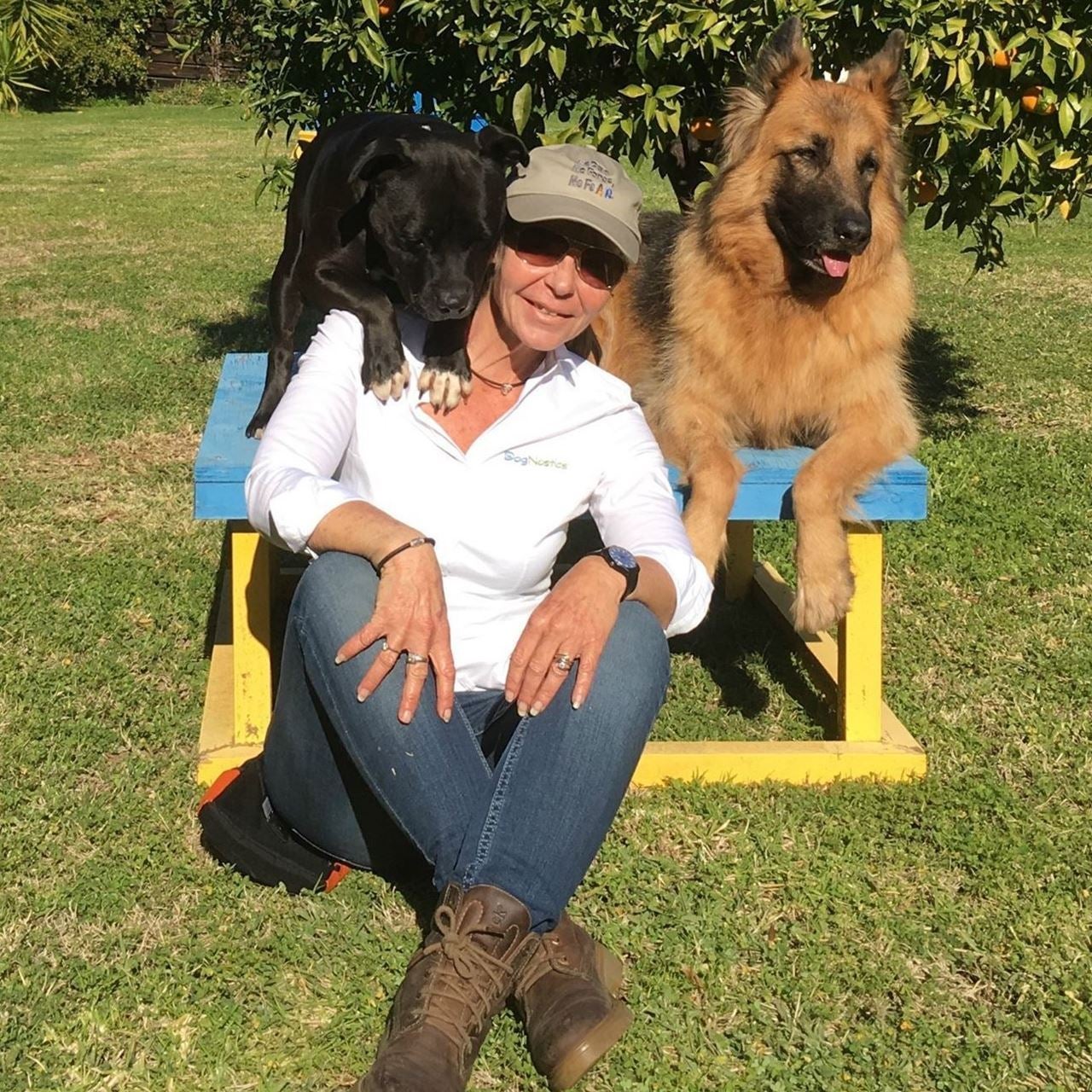
Puppy Essentials – Your Virtual and In-Person Guide to Early Socialization and Development – is a fun, interactive, training resource from DogNostics Education that can be used virtually to guide […]

VETGirl Presents (fee applies for non-members): Dr. Peter Weinstein, DVM, MBA reviews how to lead during a crisis. Learn what leadership skills are required to lead during rough waters and how to work on them all the time even when things are going well.
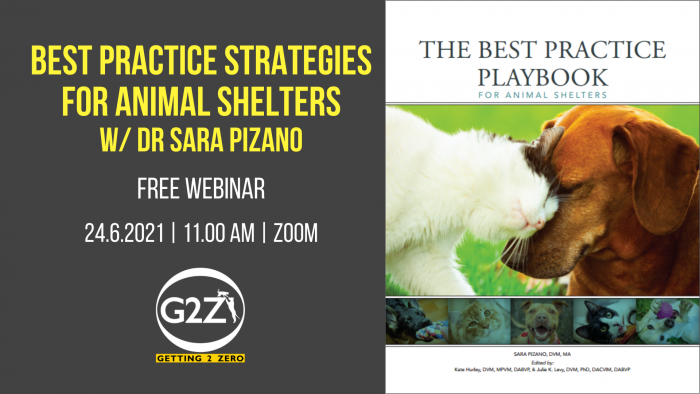
Getting 2 Zero Presents: In this presentation, Dr. Sara Pizano will outline the foundational elements for a successful animal welfare program in every community that starts by keeping pets from entering the shelter. Topics from public policy and community initiatives to shelter population management and live outcome programs will be discussed.

Texas Unites Presents (fee applies): Not getting the response you want from certain dogs? A simple change of posture or position may be all you need. Following common canine social cues is also important, and shelter personnel and rescue volunteers who know them are in a good position to bring out the best in their dogs.
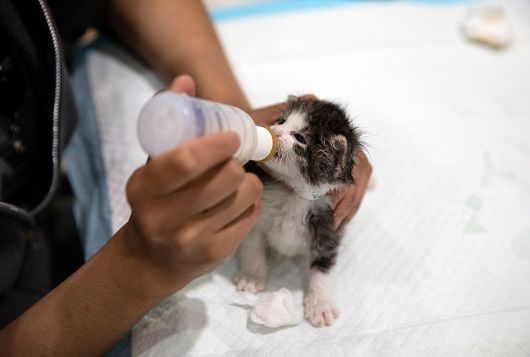
ASPCAPro Presents: Join the ASPCA Learning Lab and colleagues from the field as they discuss tips and tricks of the trade on how your team can best support our youngest feline friends. During this session, you’ll also have an opportunity to have your questions answered via a live Q&A.
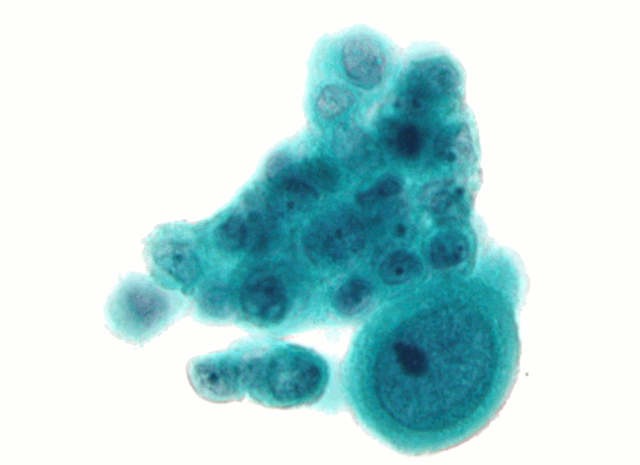
Texas Unites Presents (fee applies): In a shelter setting, cytology can be used to guide treatment, surgical planning, and any special adoption considerations. In this session, we will review specimen collection, slide preparation, and microscopic evaluation.

Texas Unites Presents (fee applies): This presentation will review and provide updates on the risk factors, pathogenesis, clinical disease, and epidemiology of infectious diseases in animal sheltering settings, with an emphasis on prevention of disease. We will focus on updates in the management of dermatophytosis, retroviruses, and feline URI.

MCC and Maddie’s Fund Present: An all-star panel will give answers to the top ten questions you receive about TNR, SNR, returning cats, and let us know how to message community cat program alignment with our universally-held goal of managing feline populations.
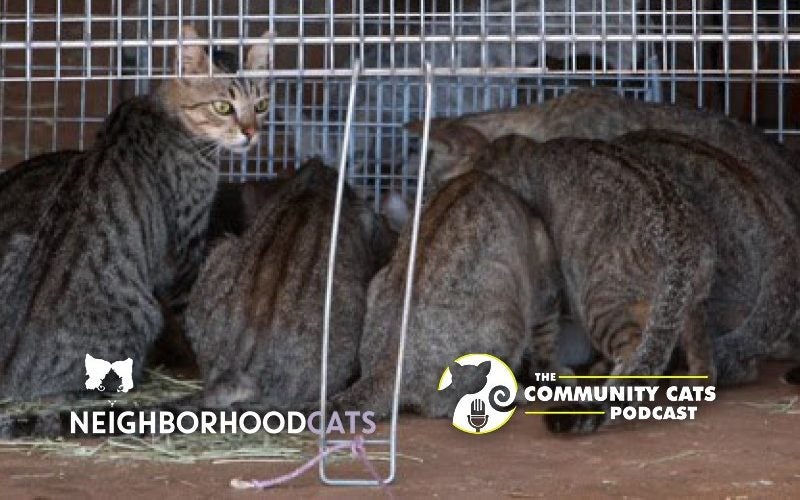
Community Cats Podcast Presents: Trying to catch the last cat in your colony who isn’t fixed? Got a wily feral who just won’t go into a box trap, no matter how much you spend on roasted chicken? How about catching a litter of kittens all at once—with their mom? All these tough trapping situations and more can be solved if you know how to use a drop trap! Join Neighborhood Cats, co-designers of the first commercially available drop trap, as they discuss how to use this invaluable tool. Plus tips and tricks for advanced drop trappers, too.
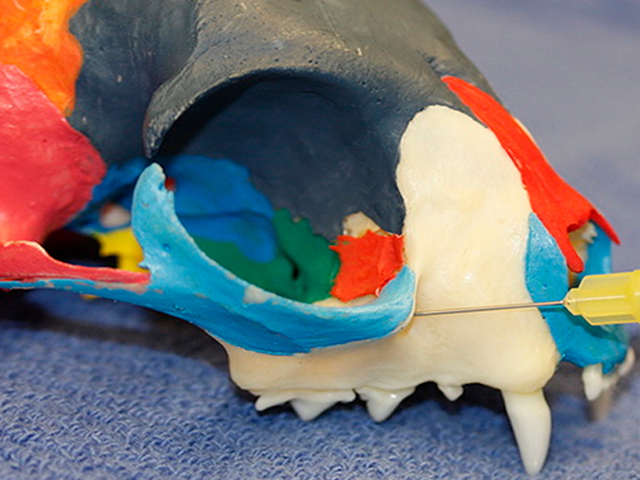
VDOS Presents (fee applies): This VDOS webinar will review local and regional anesthesia/analgesia for dental and oral surgical procedures in dogs and cats. Suitable local anesthetics and needed equipment will be discussed. Techniques for commonly performed dental nerve blocks (including maxillary, infraorbital, major palatine, inferior alveolar, and middle mental) will be described step-by-step.
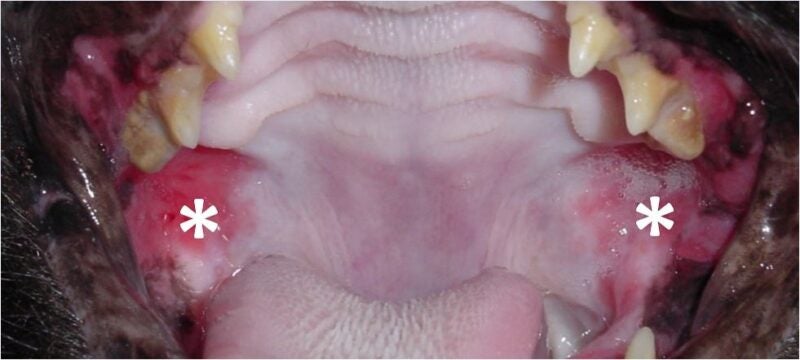
VDOS Presents (fee applies): Frustrated about resorbing roots and ankylosed teeth? What about refractory oral inflammation that cannot be controlled? We understand your frustration, but there is help! Let us show you how we do it!
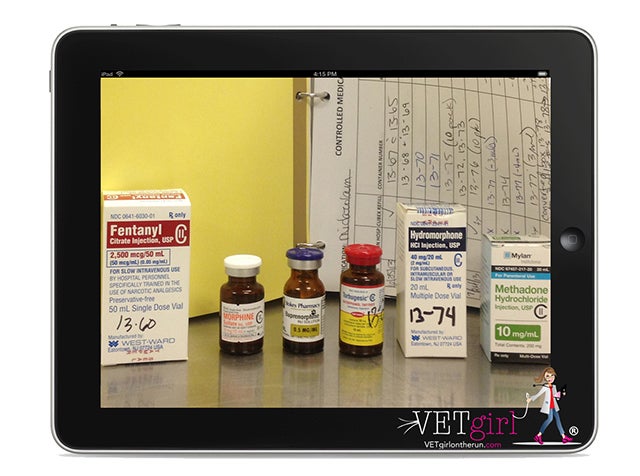
VETGirl Presents (fee applies): Dr. Mike Barletta, DVM, MS, PhD, DACVAA reviews the mechanism of action, doses, and the duration of action of drugs used to premedicate our canine and feline patients. Brush up on the “why” behind certain drugs including phenothiazines, alpha-2 agonists, opioids, and benzodiazepines!

Dog iBox Presents (fee applies): Understanding when to recommend additional diagnostics and when to recommend primary behavior treatment is a valuable skill to have in your tool kit! This presentation will cover common conditions that may appear to be behavioral in origin, when in fact, they may be occurring due to an underlying medical concern.
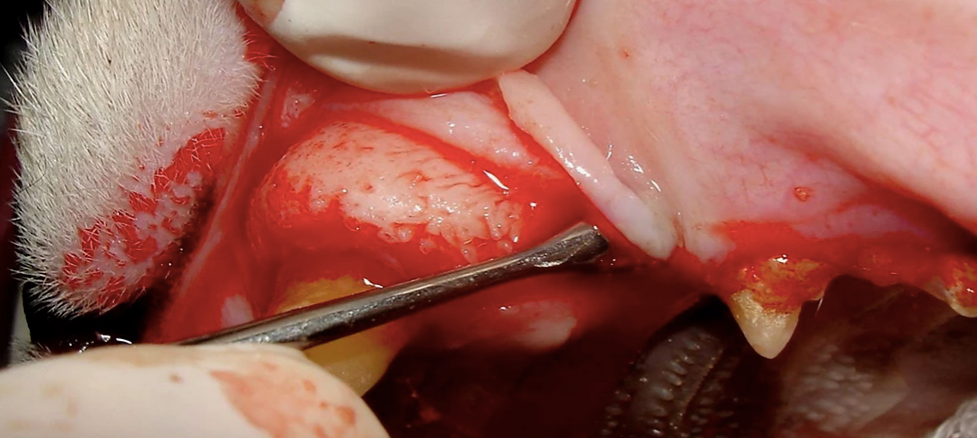
VDOS Presents (fee applies): Do you struggle removing a canine or carnassial tooth? What about root remnants and ankylosed teeth in cats? No worries, here you learn all the tricks you need for safe and complete extraction of teeth!

ASPCAPro Presents: Looking for ways to build or improve local networks to move at-risk animals within your community, region, and the northern tier states? Join us as we engage with relocation expert Karen Walsh of the ASPCA, and Chris Roy, who joins us from Doobert, during this interactive Q&A session. Refresh your understanding of transport and relocation best practices, along with tips for connecting with potential relocation partners.

Texas Unites Presents (fee applies): In this presentation, you will learn about the complex, fascinating way we think about intake and how we can revolutionize animal shelters, animal control services and rescue groups, just by digging deeper into how we track the reasons for intake and how better addressing the complexity of animal intakes might lead to better, faster outcomes.